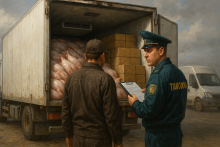
The FBRC editorial team has obtained documents regarding the supply of approximately 20 tonnes of frozen mutton fat from China – a country not free from foot-and-mouth disease. The consignment is intended for the food industry and passed through all customs procedures without issue. Formally, no agency has broken the law; however, it is precisely this that constitutes the main problem.
Following our editorial team's recent investigations into potential schemes in the export of meat products and live livestock, as well as fictitious expert assessments in markets, the concealment of anthrax outbreaks and illegal trade in saiga meat, the FBRC's anonymous bot continues to receive messages from various sources. This time, the discussion once again concerns the country's food and biological safety.
The state control system is structured in such a way that potentially hazardous products from epizootically disadvantaged regions can freely enter the Kazakhstani market. The question is who bears responsibility for these risks and why the system remains unchanged.
In October 2025, a consignment of frozen mutton tail fat with a total weight of approximately 20 tonnes was imported into Kazakhstan through the Khorgos checkpoint. The sender was the Chinese company Xinjiang Wanzhao ChengYu Import and Export Trading Co. LTD, and the recipient was an individual entrepreneur in Almaty. The goods were accompanied by a full set of documents: a veterinary certificate from the Chinese side, a certificate of origin, and a customs declaration.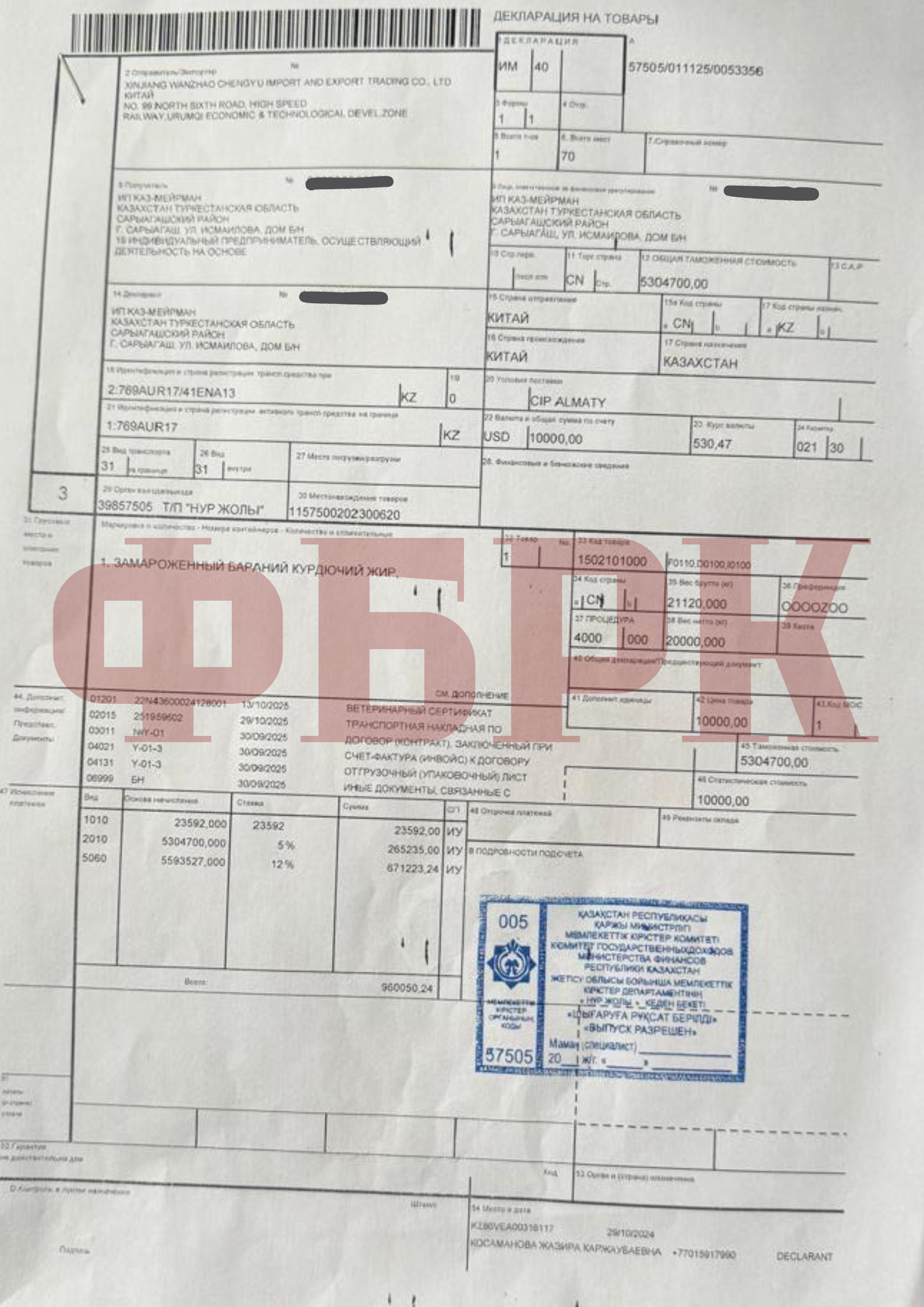
The key detail that makes this supply potentially dangerous lies in the epizootic status of China. The country is not free from foot-and-mouth disease – a viral disease that affects cattle, sheep and other cloven-hoofed animals. The foot-and-mouth disease virus is extremely resistant to freezing and can survive in frozen products for months, being destroyed only by heat treatment above 70 degrees Celsius. 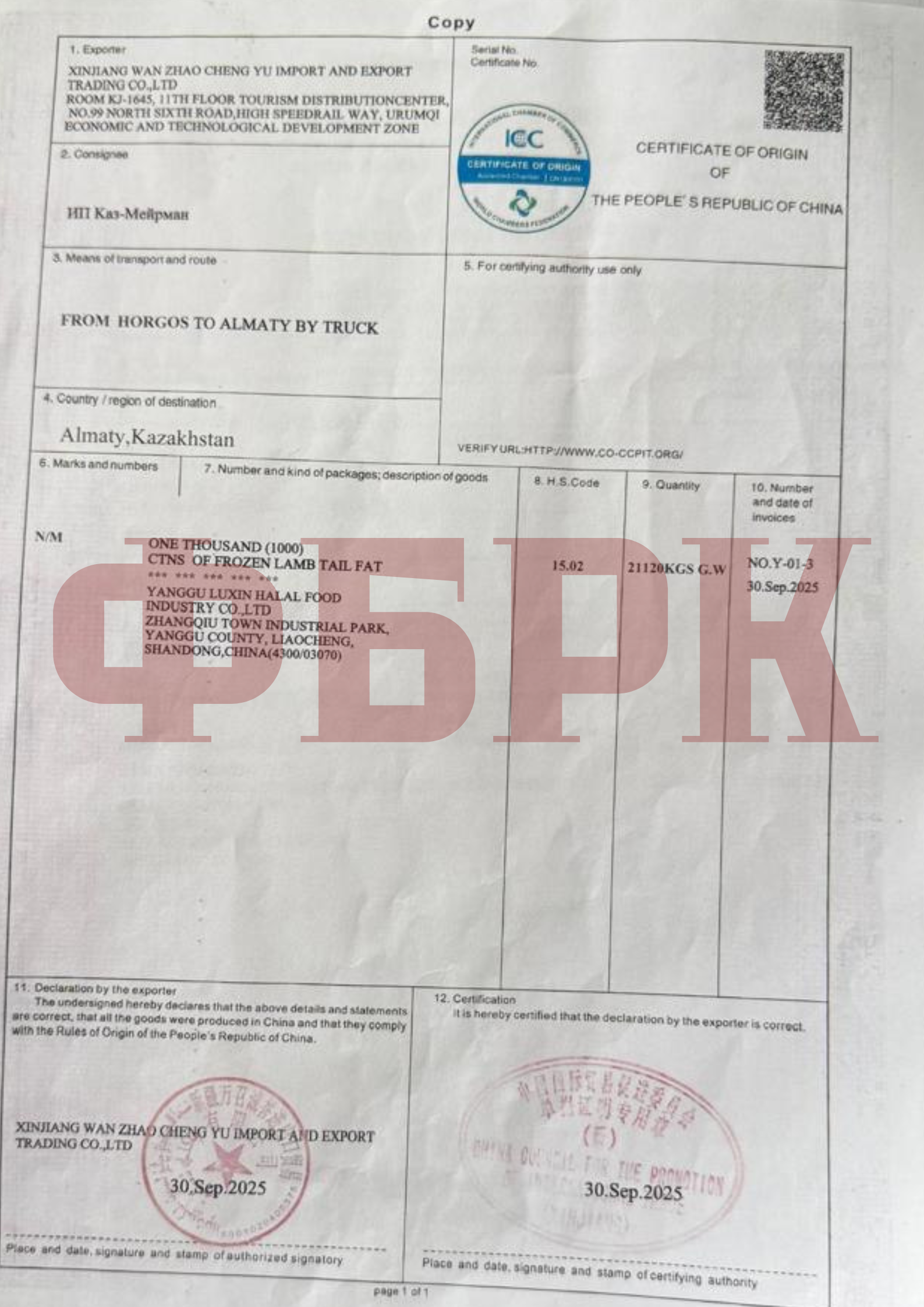
At the same time, the Chinese veterinary certificate states that the product was prepared under sanitary conditions and is fit for human consumption; however, it does not mention heat treatment capable of destroying the virus. 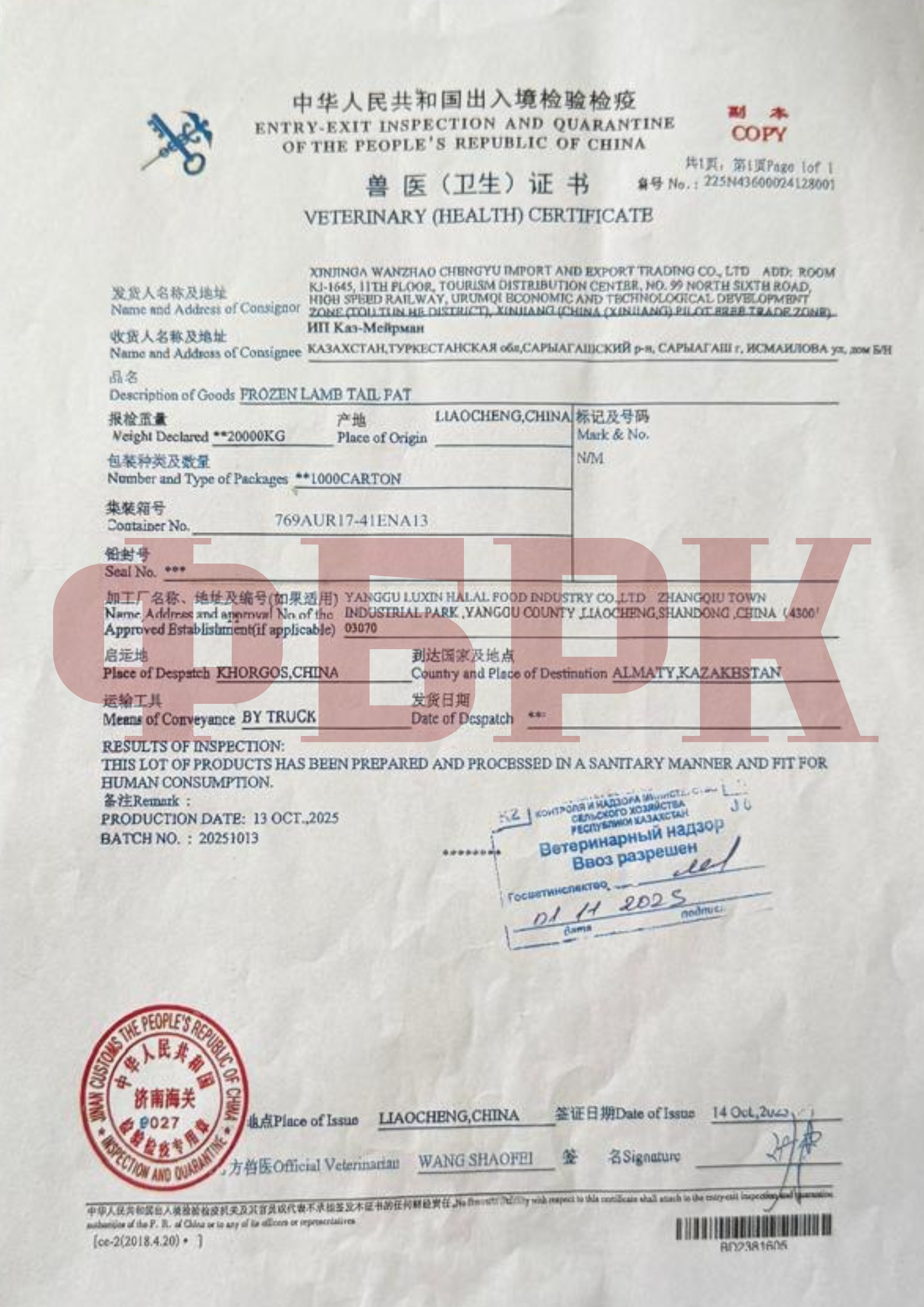
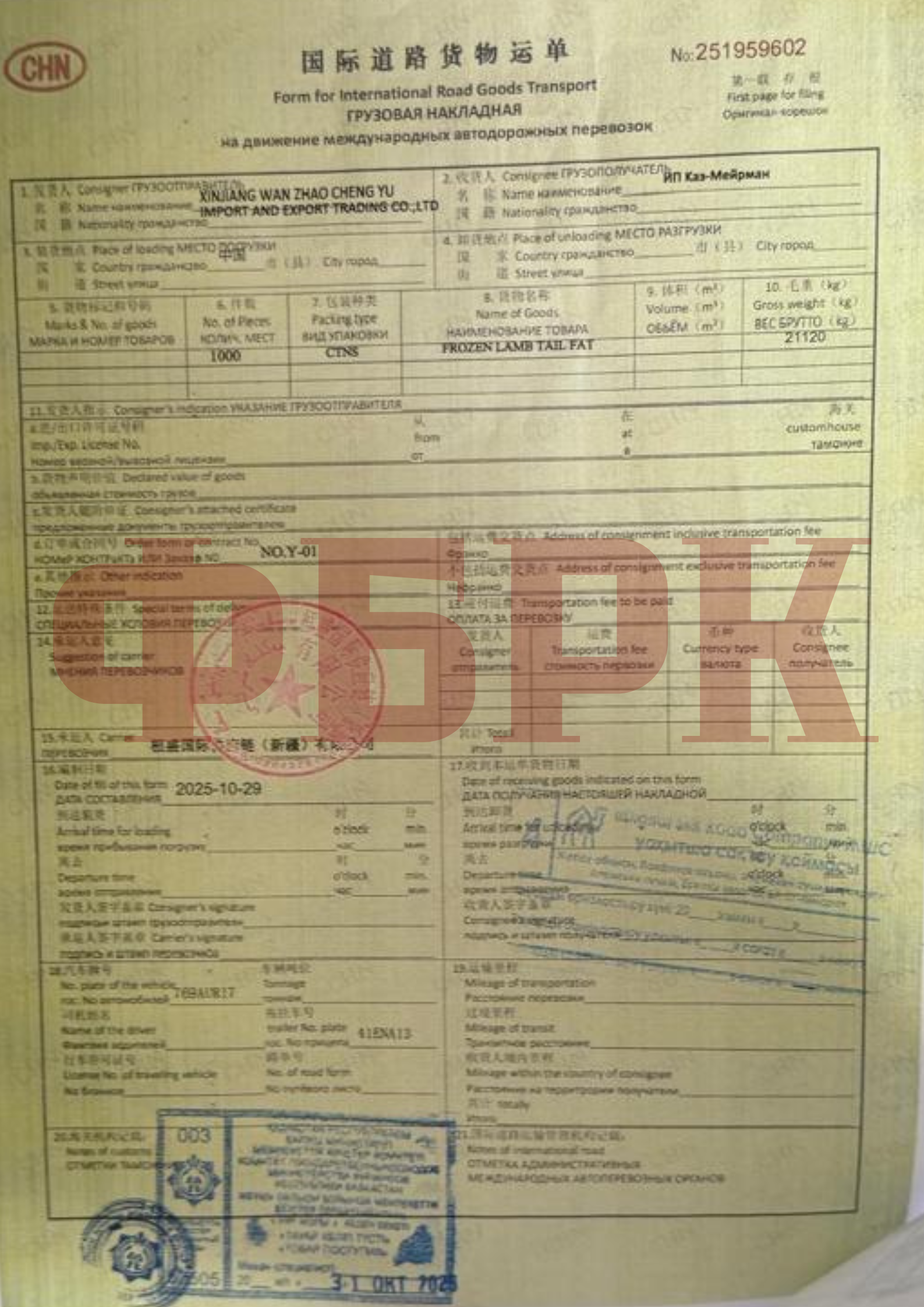
Why did such a consignment cross the border without additional checks? The answer lies in the regulatory framework governing the import of animal products. According to current rules, goods with the HS code 1502 do not require prior inclusion in the importers' registry; however, this does not exempt the products from the need for veterinary control, especially if they are intended for food purposes and have not undergone disinfecting treatment. Formally, for customs clearance, the presence of a veterinary certificate from the exporting country is sufficient. It is this legislative structure that creates a loophole through which potentially hazardous products can legally enter the territory of Kazakhstan.
Customs authorities performed their function – they checked the availability of all necessary documents, confirmed the compliance of codes and product descriptions, and processed the declaration. From the perspective of customs law, there are no objections to the procedure. The veterinary services at the border also acted within their remit – the certificate from the Chinese side was present, and there were no formal grounds for refusing entry. The regional divisions of the veterinary control committee in Almaty did not initiate additional checks after the consignment arrived. Each link in the chain acted according to instructions, but the overall protection system failed.
The crux of the problem is the lack of effective cooperation between different state bodies for assessing comprehensive risks. Customs focuses on the correctness of documents and payment of duties; veterinary services check for the presence of certificates; but no one analyses the overall situation: where the goods come from, what their epizootic status is, whether they have undergone the necessary treatment to neutralise possible pathogens, or where they will go after customs clearance. As a result, 20 tonnes of fat, intended for food use, entered circulation without any special control.
The veterinary certificate database shows that this case is not an isolated one. Numerous records indicate regular supplies of animal products from China to various recipients in Kazakhstan. This points to the systemic nature of the problem, rather than a one-off failure. If such supplies occur regularly, the question arises: why do the regulatory bodies not react to this recurring practice, which potentially creates risks for the country's biological safety?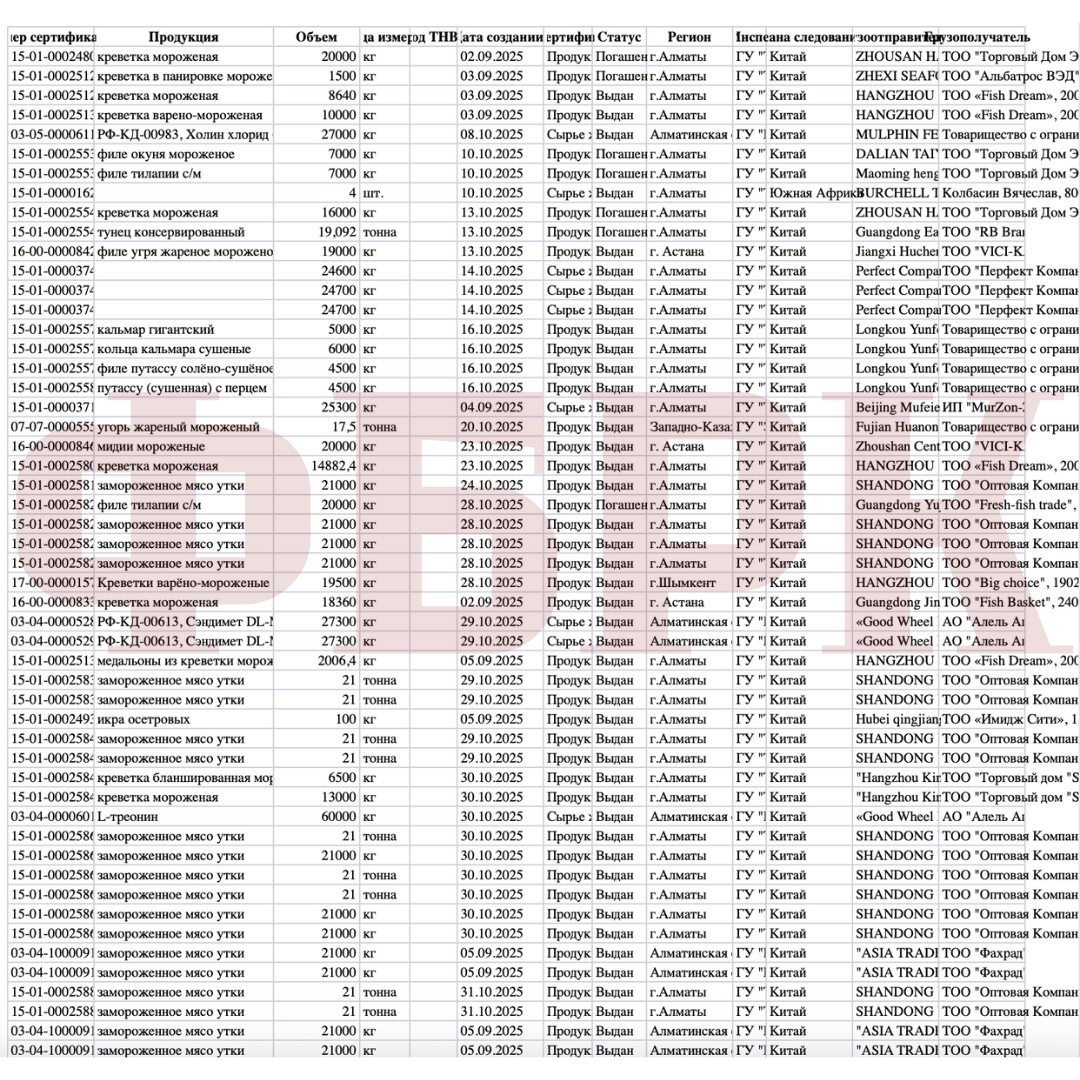
Of particular concern is the lack of information about the subsequent fate of the imported fat. The documents contain no data on exactly where the product was sent after customs clearance, how it was stored, or whether it underwent any additional processing before use. Twenty tonnes of fat is a significant volume that could have been used in the production of sausages, in catering establishments, or in the manufacture of national meat delicacies. If this fat indeed was not subjected to heat treatment capable of destroying the foot-and-mouth disease virus and was used in the food industry, the scale of the potential threat is difficult to assess.
The key question is whether the regulatory framework, for the development of which the Ministry of Agriculture is responsible through its Committee for Veterinary Control and Supervision, provides for mechanisms of automatic enhanced control when goods arrive from epizootically disadvantaged regions, regardless of the HS code. If such mechanisms exist, it remains unclear why they were not triggered in this case. If they do not exist, the question arises as to the reasons for their absence, given that the threat of introducing dangerous infections through imported animal products is well known.
This case fits into the broader context of problems with veterinary control in Kazakhstan. For example, at the end of 2024, 643 cases of violations of veterinary and sanitary requirements were identified during the import of meat and dairy products into the country. This is only the official statistics, not taking into account latent cases. And quite recently, the Supreme Audit Chamber also identified violations in the field of veterinary safety during its inspections, leading to disciplinary measures against a number of officials, including senior managers of agencies. What does this suggest?
The situation is compounded by regular outbreaks of dangerous animal diseases within the country. Cases of brucellosis, foot-and-mouth disease, and anthrax are recorded annually in various regions. At the same time, experts and the media point to problems with the animal registration and traceability system, which hinders rapid response when epizootic threats arise. In this regard, a question arises, at least for Vice-Minister of Agriculture Amangaliy Berdalin, who has a specialised veterinary education: is the ministry's leadership ready to acknowledge the existence of systemic problems and propose concrete measures to eliminate them, or will the department continue to react only to incidents that have already occurred?
After all, until legislative gaps are closed and effective inter-agency cooperation is ensured, such cases may recur, creating risks for Kazakhstan's food and biological safety.