Documents obtained by the FBRK editorial team reveal a possible corruption scheme within Kazakhstan's veterinary control system. Fictitious inspections at markets, concealment of anthrax outbreaks and illegal trade in saiga meat pose a threat not only to public health, but also to the country's international standing. So who could have turned the food safety system into a tool for personal gain?
Following our recent articles on potential schemes in the export of meat products and live cattle, messages from various individuals have continued to pour into the FBRK anonymous bot. The problem has likely reached such a scale that keeping the situation quiet is becoming increasingly difficult - there are too many facts requiring verification.
This time, the FBRK editorial team has obtained internal documents from veterinary services, laboratory test protocols and official correspondence that expose systemic violations in the field of veterinary control. This is not about isolated cases of negligence, but about a deliberately constructed scheme that allows dangerous products to end up on the tables of Kazakhstan's citizens.
Our editorial team has previously covered the problems of meat product exports - from schemes involving Russian meat that could have been passed off as Kazakh, to suspicious excesses in declared supply volumes. We have also monitored the campaign for the culling of saiga antelopes, warning of possible violations during the so-called 'population regulation'.
'VETERINARY INSPECTION' FOR CASH
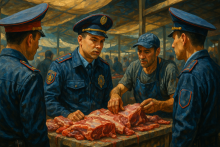
According to an anonymous source, a simple scheme for legalising dubious products operates in Kazakhstan's markets. A business owner brings meat, milk or eggs with valid documents, but representatives of 'licensed' laboratories demand an additional 'veterinary and sanitary inspection' costing between 500 and 3,000 tenge per batch. In return, they issue a handwritten 'inspection certificate', often lacking legal force.
According to the materials obtained, no actual testing is carried out. Samples are either not taken at all, or the best parts of the product are taken 'for testing at home'. Results are filled in using ready-made templates, sometimes handed over to the business owners themselves to complete. Laboratory staff apparently do not even examine the goods, merely collecting the money.
But the main danger lies not in the extortion itself, but in where the 'tested' products end up. Through this system, questionable meat and dairy products could enter nurseries, schools, hospitals, military units and boarding schools. Fake veterinary accompanying documents and routes create a 'paper trail' for goods of unknown origin.
According to market participant accounts, payment is made exclusively in cash without receipts. The millions of tenge collected therefore do not enter the budget, but end up in the pockets of intermediaries and those reportedly providing 'protection' for the system within the territorial departments of the Veterinary Control and Supervision Committee.
ANTHRAX: THE PRICE OF SILENCE
Alongside potential market corruption, a more serious problem is unfolding in the country — the concealment of outbreaks of particularly dangerous diseases. In 2025, Kazakhstan once again faced outbreaks of anthrax in the Akmola, Kostanay, Turkestan regions and Shymkent.
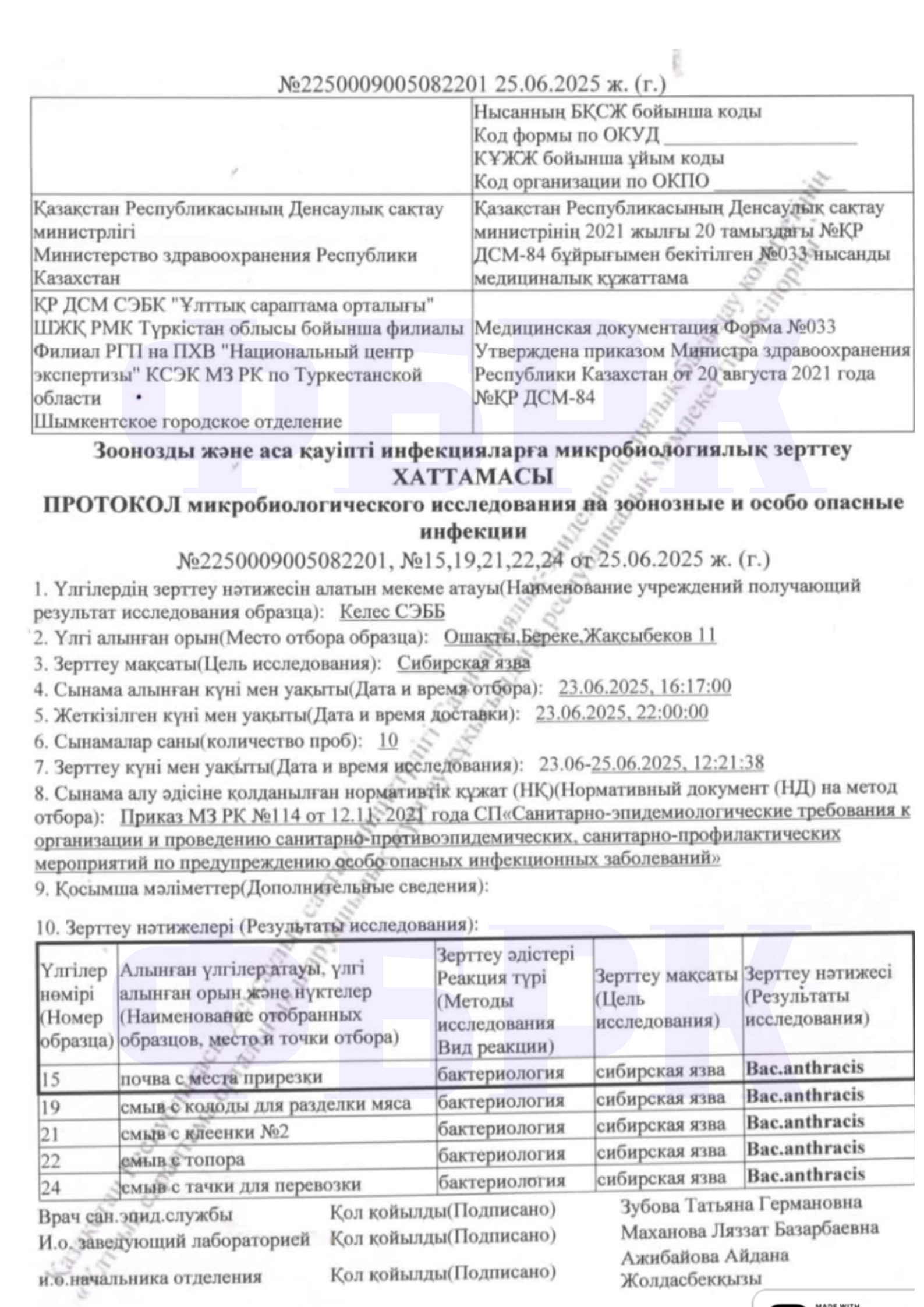
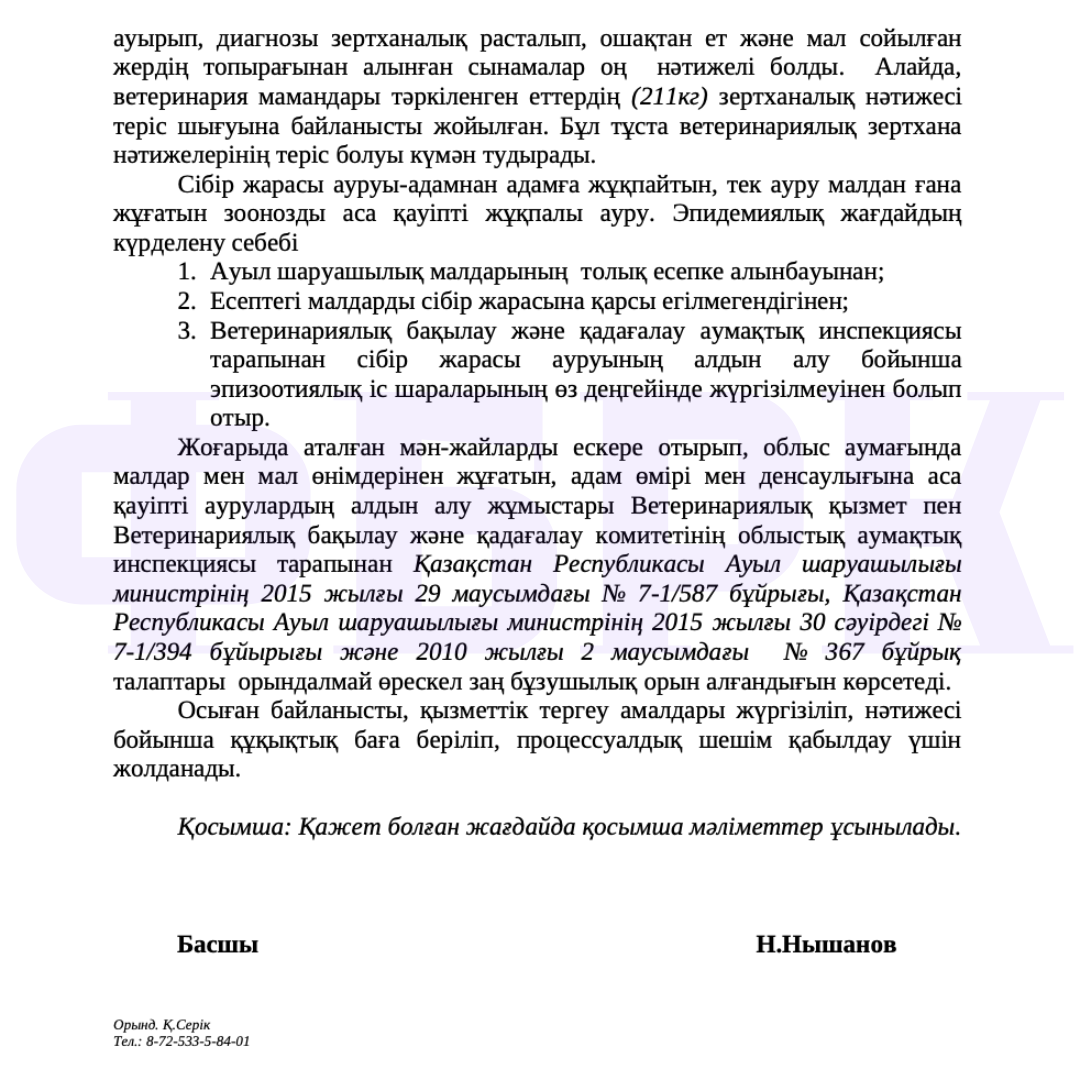
Meanwhile, documents from the sanitary-epidemiological service that have come into our editorial team's possession tell a more alarming story. In an official letter dated 1 August 2025, the Department of Sanitary and Epidemiological Control of the Turkestan Region addresses the police with evidence of forgery. In the case of an outbreak in the Keles district, five meat samples tested positive for anthrax during analysis by the sanitary-epidemiological service. However, the veterinary laboratory declared the same 211 kg of meat to be safe.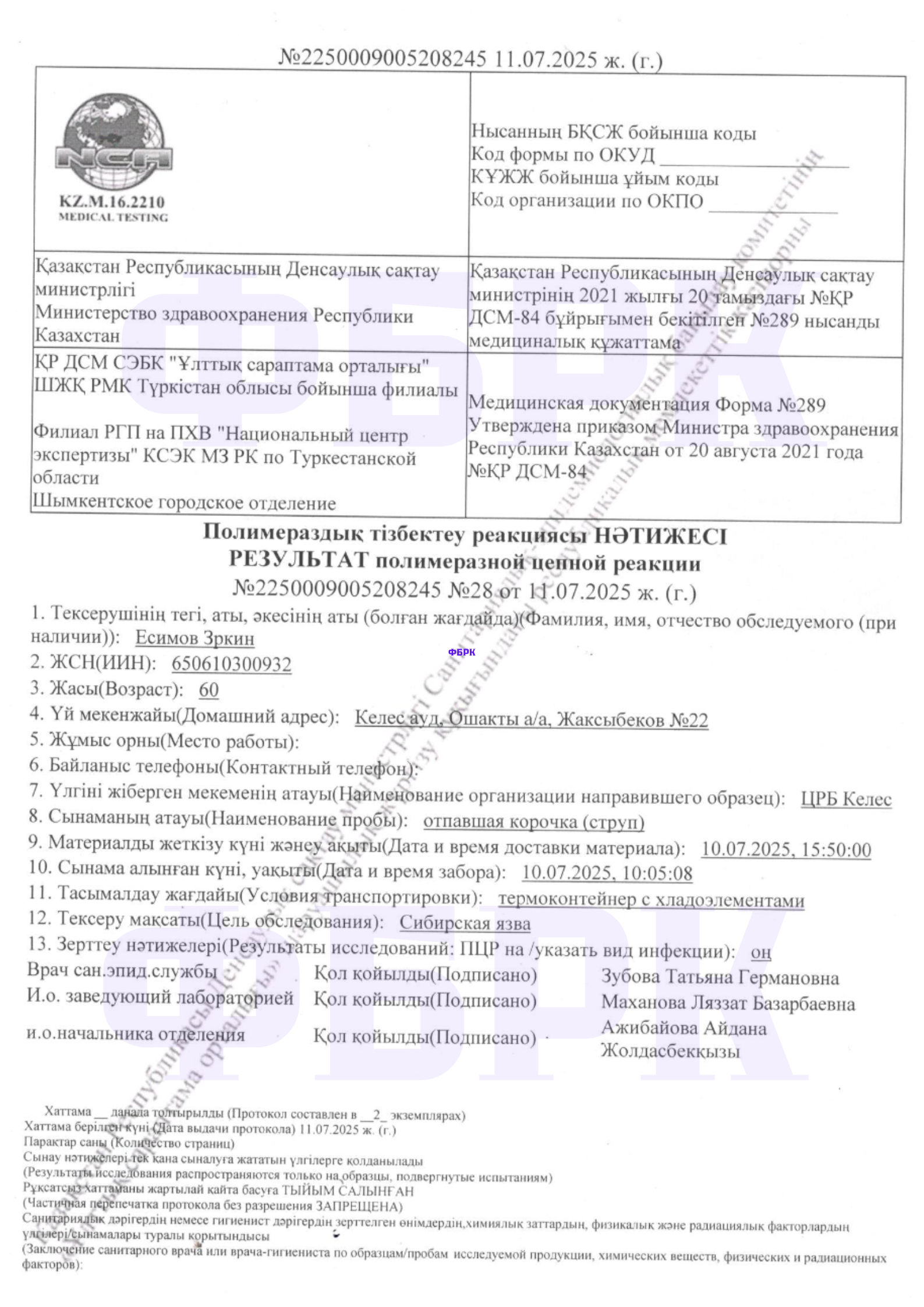
The letter explicitly states that the negative result from the veterinary laboratory raises doubts. This confirms information that the National Veterinary Reference Centre of the Ministry of Agriculture (MoA) systematically rejects confirmations of particularly dangerous diseases obtained by other services.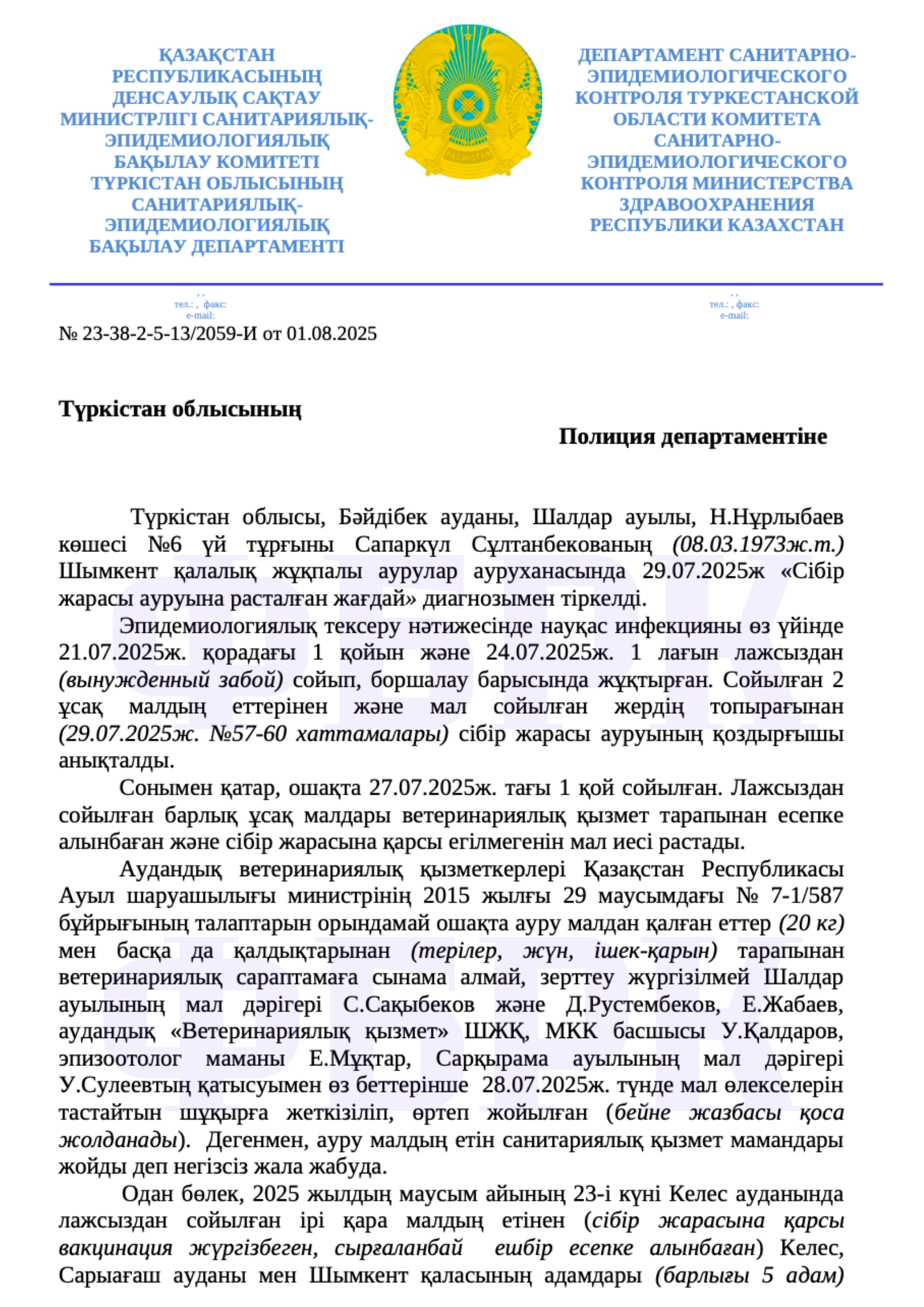
According to the source, an audit of veterinary laboratories revealed a catastrophic state of the system: 87% of laboratories do not meet international ISO (International Organization for Standardization) standards. In some regions, veterinarians admit to a shortage of vaccines, and animals are reportedly falling ill even after vaccination. Additionally, following the spring floods of 2025, 14 livestock burial sites, where livestock infected with anthrax were buried decades ago, were flooded.
Also significant here is the technological backwardness of veterinary laboratories, which creates a systemic threat acknowledged at the state level. In 2023, the government allocated 3.8 billion tenge for the modernisation of equipment in nine key regional centres. However, the mechanism for spending these funds proved to be as ineffective as the veterinary control system itself.
Nearly three years into the project's implementation, official reports record zero indicators of completed work, pointing to a systemic inability of state structures to solve even technical tasks when funding is available. The result is predictable: technological backwardness exacerbates corruption schemes, as non-functioning laboratories become a convenient cover for fictitious inspections.
SAIGA: FROM PROTECTION TO TRADE
Another area of the corruption scheme, it seems, has become the trade in saiga meat — animals under state protection (officially). As warned by our editorial team when covering the 'population regulation' campaign, the culling procedures could have served as a cover for illegal trade.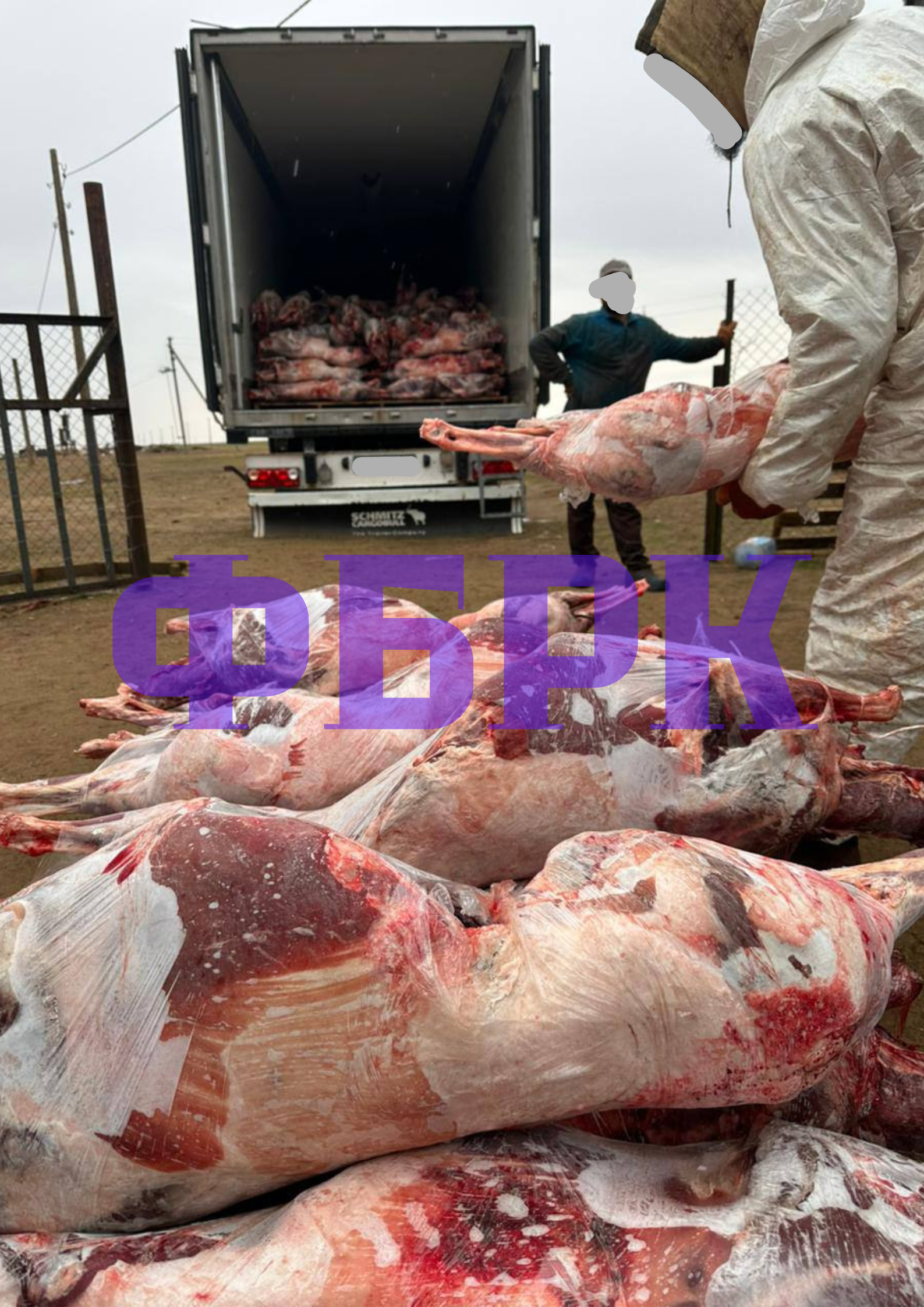
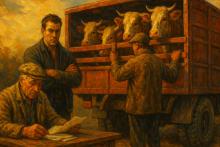
The source reports that the capture and transport of saigas takes place without veterinary certificates confirming the legal origin of the animals. Slaughterhouses accept carcasses of unknown origin, which is a gross violation of the Eurasian Economic Union's technical regulations and Kazakh legislation.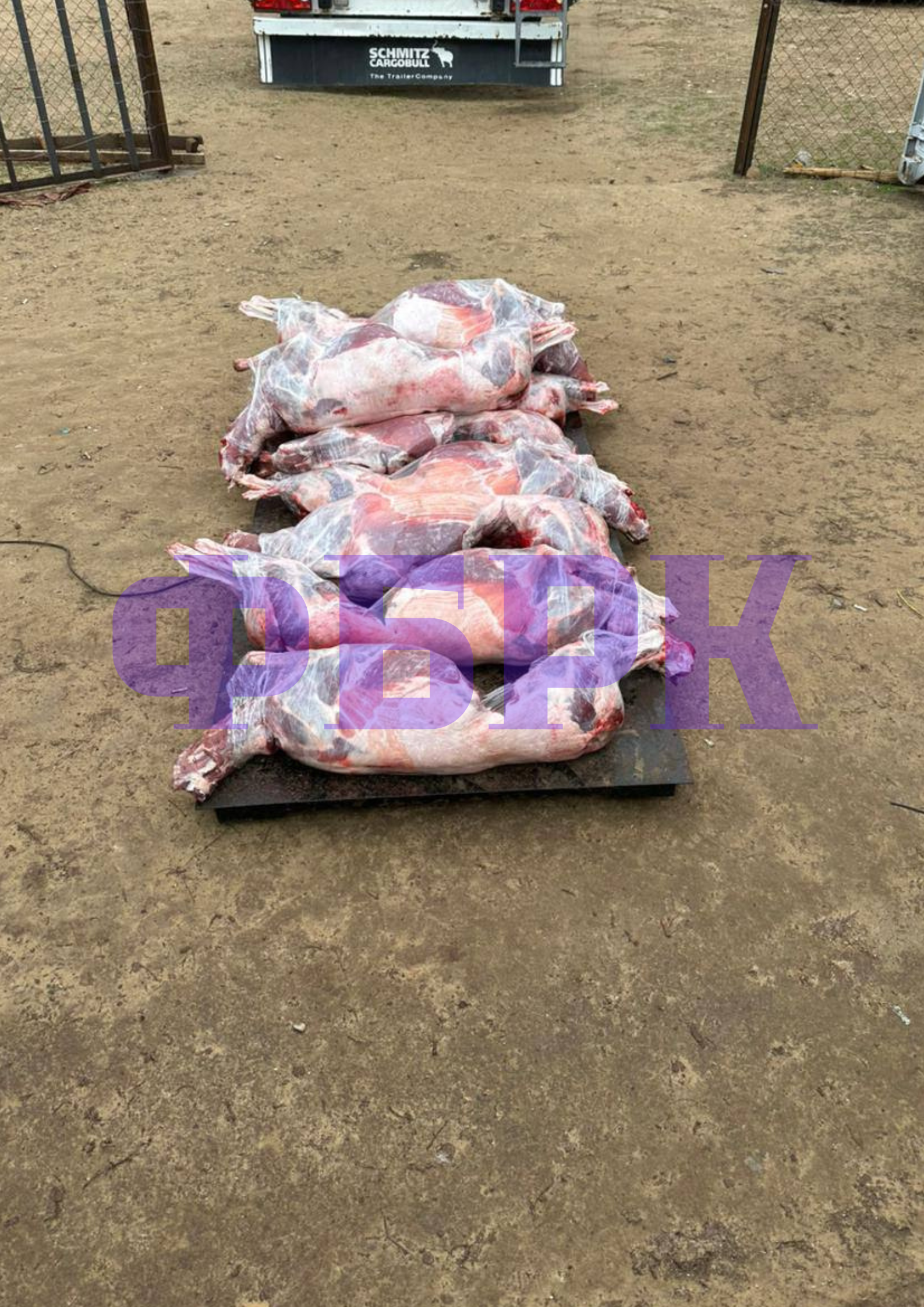
According to the source, the veterinary and sanitary inspection is purely formal: private laboratories, lacking the appropriate equipment, issue test reports without conducting any actual analysis. It is reportedly on the basis of such 'certificates' that veterinary permits are issued, allowing wild animal meat to enter circulation.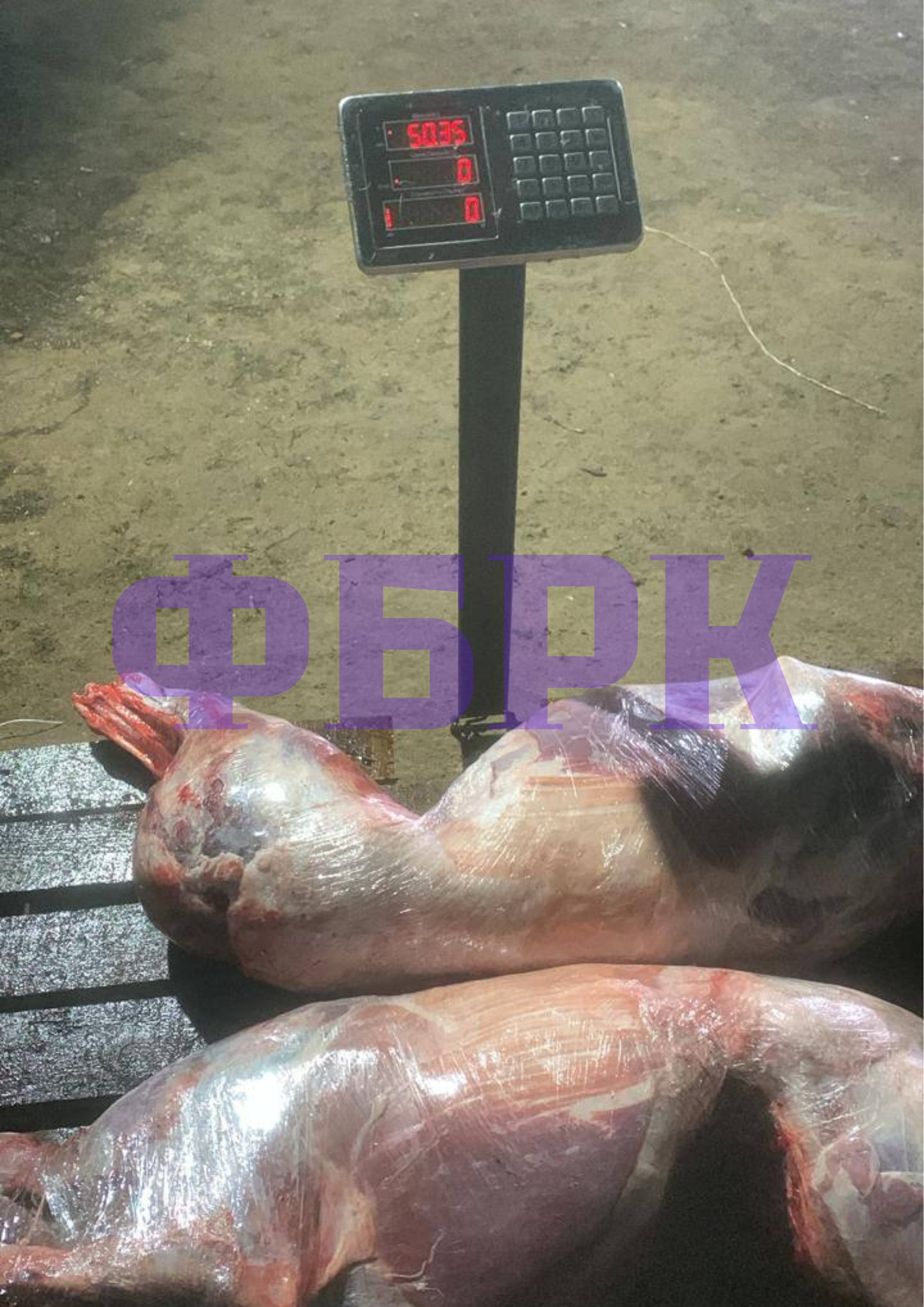
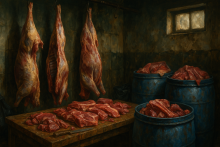
Furthermore, mandatory tests for salmonella, listeria, trichinosis, heavy metals, pesticides and radionuclides are not carried out. Carcasses lack stamps and identification numbers, and no product movement records are kept. Advertisements for the sale of saiga meat, beef and poultry 'with all certificates' are easily found online.
THE PRICE OF CORRUPTION
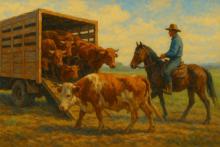
Possible corruption in veterinary control creates risks far beyond the domestic market. Kazakhstan is a participant in the foot-and-mouth disease zoning system of the World Organisation for Animal Health (WOAH), which determines the possibilities for exporting animal products. Violation of zoning principles during the transport of animals without confirmation of their epizootic status could lead to the loss of the country's international status. For Kazakhstan's economy, where agriculture is a key sector, such consequences could be catastrophic.
In the European Union, Canada and the USA, the sale of wild animal meat is only permitted after a pre-slaughter examination by a veterinary inspector, comprehensive laboratory analysis, electronic registration of origin, and the stamping of carcasses with individual codes. In Kazakhstan, there is decreasing confidence that these procedures are actually being implemented.
Meanwhile, according to the anonymous source, the Ministry of Agriculture and the Committee for Veterinary Control and Supervision are perfectly aware of the situation. Complaints from business owners are reportedly received regularly — by the committee, local authorities, and the prosecutor's office. But in reality, no one wants to touch those who feed the system.
And as much as one would like to avoid it, the consequences of the collapse of veterinary control affect every citizen of Kazakhstan. Children in nurseries and schools receive potentially contaminated food. Hospital patients, military personnel and prisoners are at increased risk of mass food poisoning. Fake documents destroy the traceability system for product origin — when an infection outbreak occurs, finding the source becomes impossible.
The falsification of animal disease data creates a false sense of epizootic well-being, while real threats remain unaddressed. Anthrax spores can persist in the soil for up to 100 years, and any disturbance — ploughing, construction, flooding — can 'awaken' the infection.
The impression is that systemic corruption in Kazakhstan's veterinary control system has turned public health protection into a tool for personal gain. And while MoA officials continue to pretend nothing is happening, the country may well be heading towards new epidemics and economic losses.