
The editorial board of FBRK has conducted an extensive investigation into the state of the Astana (Vyacheslav) Reservoir and the Ishim River — key water supply sources for the capital and surrounding regions. Over several months, we have methodically studied the situation, analysed data, and monitored the activities of numerous entities affecting these water bodies. It is time to summarise the findings and present a comprehensive picture of what is happening.
The Astana Reservoir, commissioned in the 1960s, has historically performed several critical functions: regulating the flow of the Ishim River, supplying the capital with drinking water, and being used for irrigation and industrial needs. However, in recent years, this strategic asset has found itself at the epicentre of worrying processes that potentially threaten water quality and the ecological safety of the region.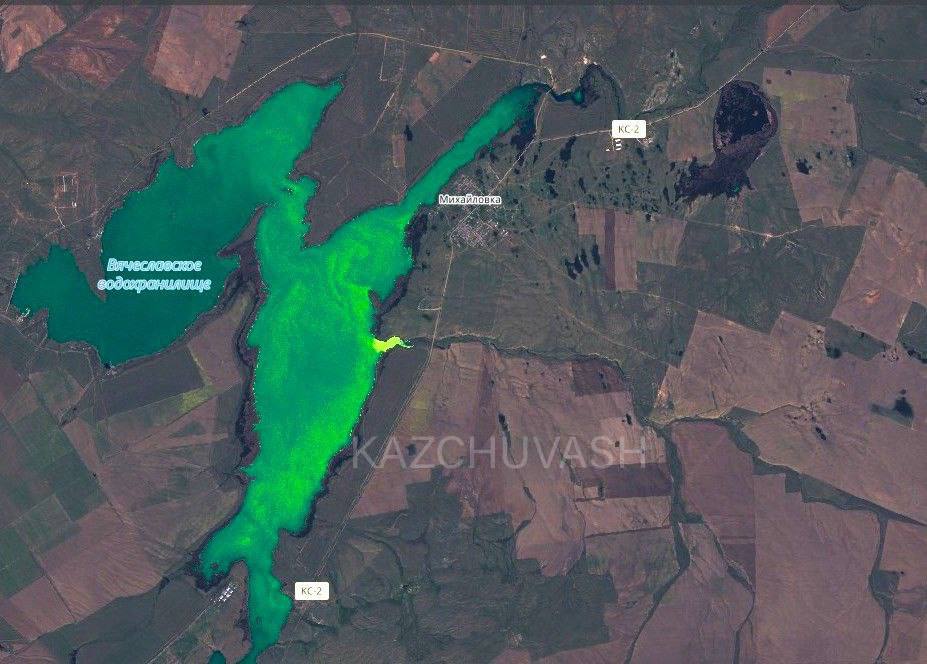
Our investigation began with the discovery of ploughed fields along the banks and tributaries of the reservoir. FBRK founder Kirill Pavlov found that some of them are located critically close, just 25 metres from the water's edge. During spring floods and summer rains, agrochemicals, soil residues, and oil products from agricultural machinery are inevitably washed from these areas into the water, posing a serious threat of pollution.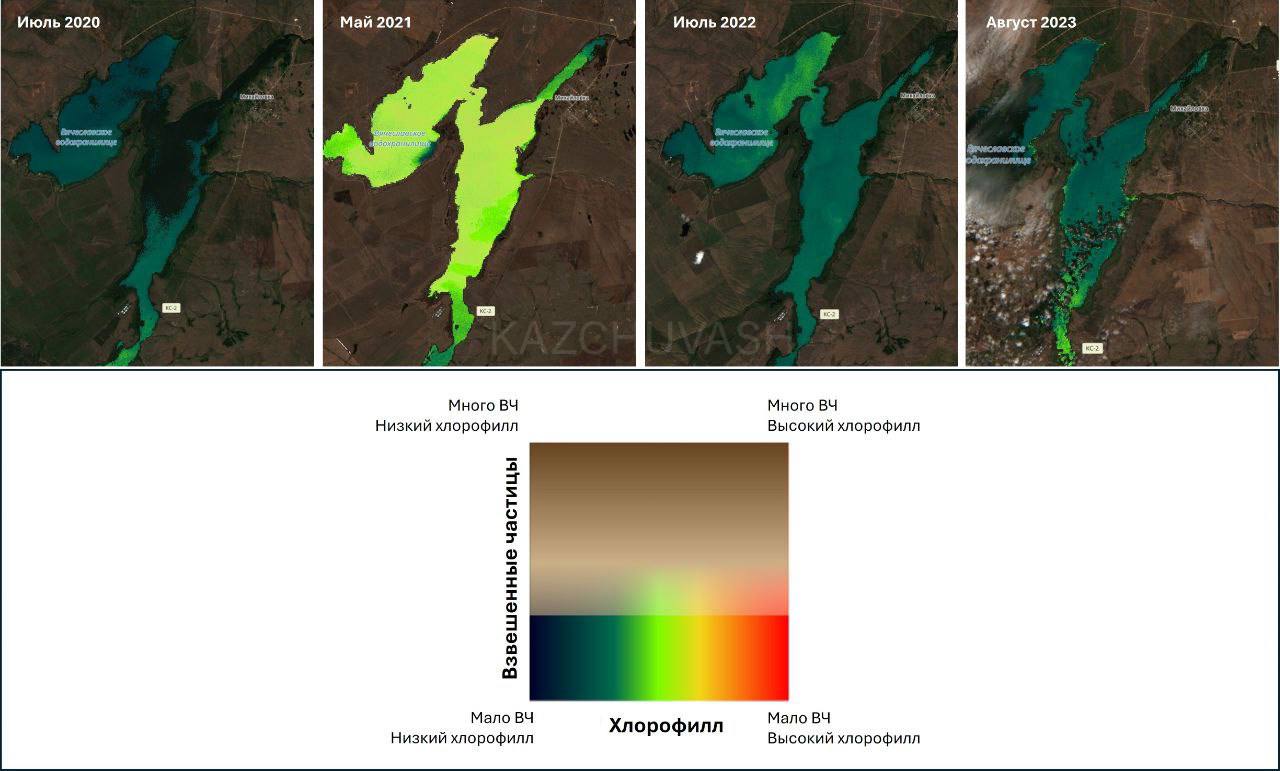
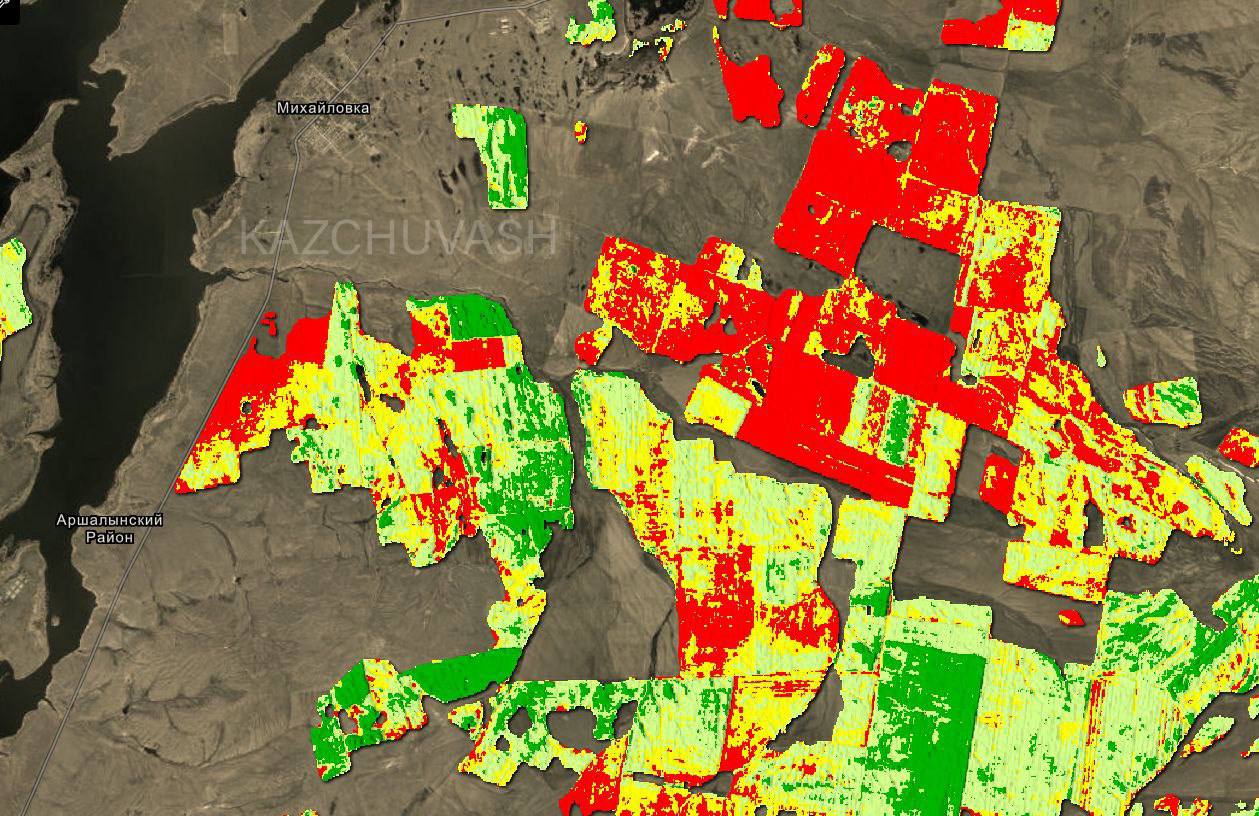
The FBRK editorial board established that the lands near the reservoir are under long-term lease to a number of agricultural firms and cooperatives, including «SAGHILYA i E» LLP, «Tamyr 2024» LLP, «Izhevsky» PC, and «Mikhailovskoye» LLP. Notably, some of these entities have ties to former civil servants, while others are burdened with significant debt obligations and seized property.
To obtain full and reliable information, we sent official inquiries to the relevant ministries: the Ministry of Health, the Ministry of Ecology, and the Ministry of Water Resources.
The Committee for Sanitary and Epidemiological Control of the Ministry of Health presented an optimistic assessment: according to their data, in 2023, all 26 water samples (8 sanitary-chemical and 18 microbiological) met the standards. In 2024, out of 36 samples, only one showed an exceedance — for iron content during the flood period.
The Ministry of Water Resources and Irrigation holds a similar position. According to the information provided, analyses by «Astana Su Arnasy» dated 4 February 2025 confirm that the source water meets the standards. It is especially emphasised that “the change in class is not related to pollution of the water body, but is due to a revision of background concentrations”. In 2024, according to the data provided, the background concentrations of suspended solids were recalculated from 10.25 mg/dm³ to 4.45 mg/dm³.
However, data from the Ministry of Ecology and Natural Resources paints a somewhat different picture. Their monitoring clearly indicates that “the water quality in the Astana Reservoir in 2024 belongs to class 4 due to the concentration of suspended solids – 5.467 mg/dm³”. At the same time, indicators varied significantly throughout the year: from class 2 in August to class 4 in May, June, September, and October. In October, exceedances were recorded not only for suspended solids (5.6 mg/dm³), but also for magnesium (32.6 mg/dm³).
Delving deeper into the investigation, we turned to the land use map and discovered an ambiguous situation regarding other plots near the Astana Reservoir. Formally, the lands around the reservoir are classified as forest fund and should function as a natural filter. In practice, however, they have been divided into plots and leased out, including to private entities. Within the water protection zone, a livestock farm and private farms are operating, and a brick factory is located nearby. The legislation, it should be recalled, contains a direct ban on the placement of livestock facilities in water protection zones.
A detailed study of the ownership structure of these organisations reveals a number of interesting connections. Firstly, many of them are in a difficult financial situation, burdened with multi-million dollar debts and tax arrears. Secondly, among the owners and managers, we found people who previously held high positions in state bodies or have close ties with current officials.
For example, the management of one enterprise was linked to the corporate secretary of JSC «NC «Food Contract Corporation». Another company was controlled by a person who had legal problems in the past. Particularly noteworthy is that one of the plots previously belonged to «Kairat-S» LLP, whose name echoes that of a well-known political figure who recently publicly returned assets to the state.
After publishing preliminary materials, our editorial board again sent inquiries to the relevant departments. The responses received only reinforced the impression of a split between regulatory reality and the actual state of affairs.
The Akimat of Astana reported that control over the lands around the reservoir is exercised by the administrations of the Tselinograd and Arshaly districts, and that some plots were allocated before 2005 — information about them is absent from current information systems. The Department of Natural Resources acknowledged that the project for the sanitary protection zone is only planned for development. In other words, the regulatory basis for exercising proper control apparently simply does not exist at present. The Ministry of Ecology confirmed that inspections of economic entities in the third belt of the sanitary zone were not carried out in 2024. Thus, the impact of these enterprises on the reservoir effectively remains unstudied and uncontrolled.
Investigating areas further upstream, our editorial board discovered an even more alarming situation. Kirill Pavlov conducted a field investigation and identified areas along the Ishim River where illegal extraction of sand and gravel is taking place at a distance of 30-40 metres from the water, which is a direct violation of water protection legislation.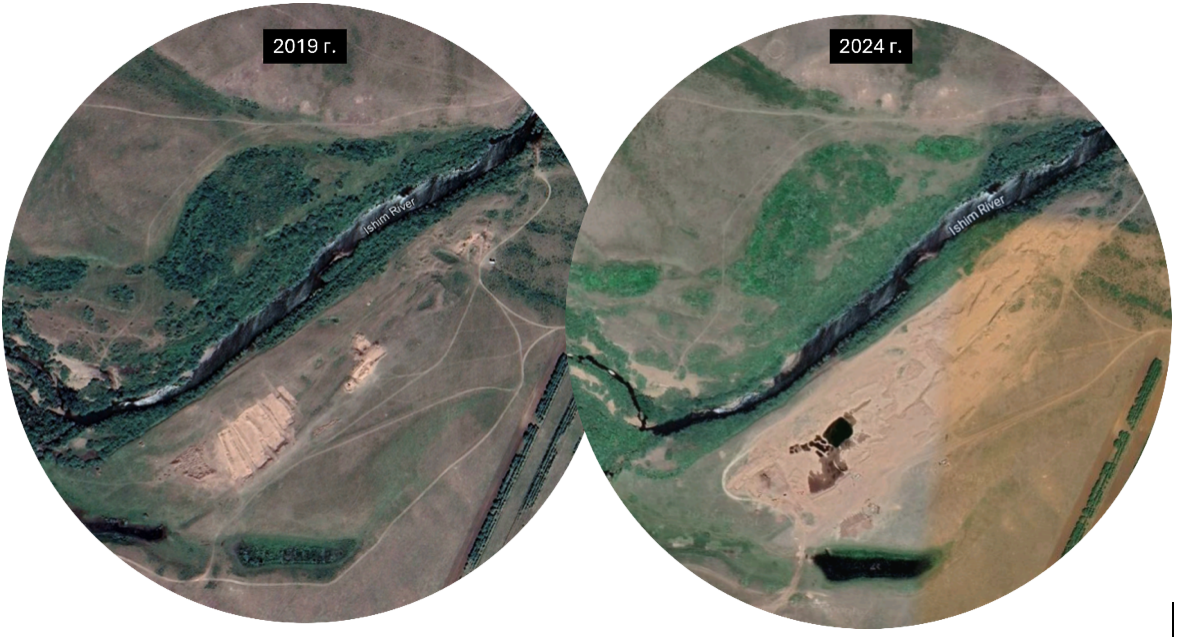
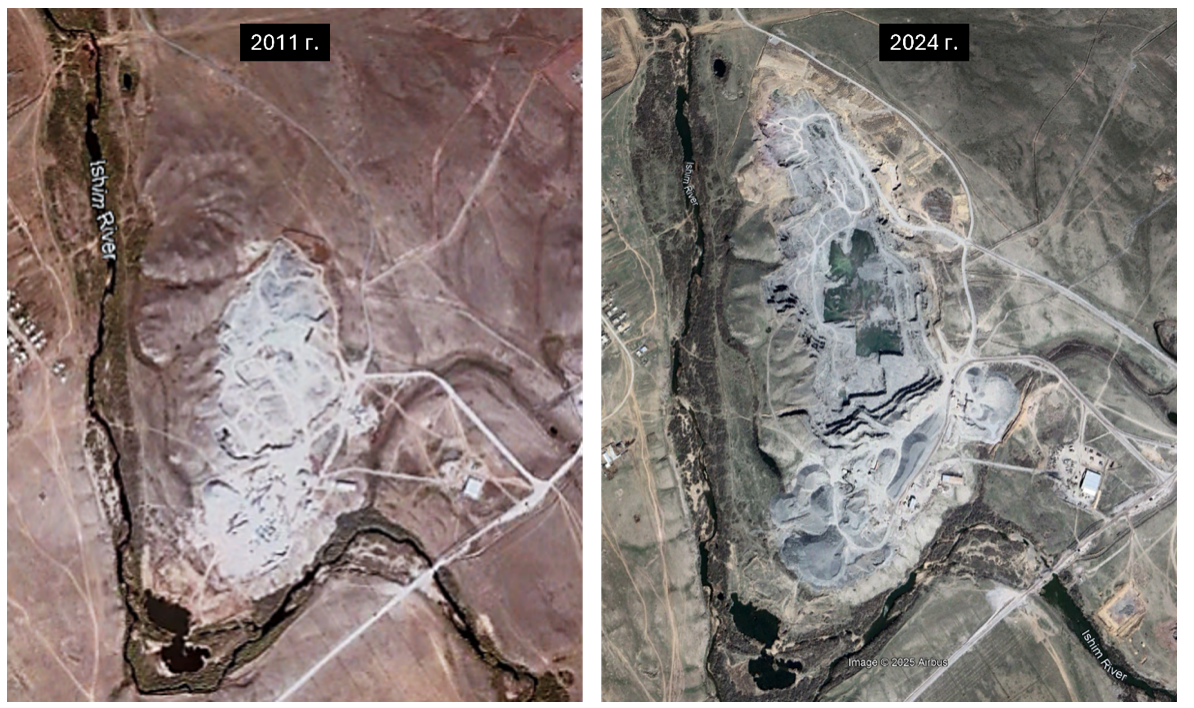
(Photo: Kazakh Chuvash / hunn.kz)
Our editorial board found out that these plots are leased by the companies «Quarry-Mir 3», «Nefrit Gold», «SG Sandy Quarry», and others. Behind these legal entities are chains of owners with ties to former deputies, the «Esil» SEC, and major construction contractors. Many of them possess formal permits, but the actual activities are carried out with potential risk to the water body.
Of particular interest are the identified links to political figures. For example, among the founders of one company is Gabit Satmagambetov, a former deputy of the maslikhat of the city of Astana and an influential figure in the region's construction business. In 2021, he held the post of deputy chairman of the commission on construction, ecology, transport, trade, and housing and communal services. Notably, his remit included precisely those issues directly related to regulating activities in water protection zones. Such a combination of official powers and commercial interests raises legitimate questions about a potential conflict of interest.
Equally interesting is the international aspect of our investigation. The citizenship of Bakai Mambetaliev, the head of «Nefrit-SV» LLP, raises questions about the transboundary nature of the use of Kazakhstan's natural resources. In the context of protecting the country's water resources, a legitimate question arises: how effectively can national legislation regulate the activities of enterprises whose managers and, possibly, main economic interests are located outside Kazakhstan?
And once again, our editorial board turned to the relevant departments to find out how the situation looks in official reports.
The Yesil Basin Inspectorate clearly defined the boundaries of the water protection zone: 500-1000 metres, with a buffer strip of 50-100 metres. At the same time, the department acknowledged that it had not issued approvals for the development of the mentioned plots, and no inspections of compliance with the regime had been carried out there at all. The Ministry of Ecology presented impeccable permitting documents for all the extractive companies. Formally, everything is in order.
However, the RSE «Kazhydromet» classifies the water of the Ishim as ‘polluted’ with exceedances of zinc and phosphorus content. According to their data, a recalculation of background concentrations of suspended solids took place in 2024. But, if the water is classified as ‘polluted’, it means there are pollutants in it — regardless of how the standards are recalculated in offices. This is particularly interesting in the context of the statement from the Yesil Basin Inspectorate that “over the last 5 years (2020-2024) and in 2025, no cases of discharge of pollutants into water bodies have been established”.
There is another curious detail in the response from the Ministry of Ecology — a mention of the construction of a protective dam for the village of Zhibek Zholy. It makes one wonder, why was a protective dam suddenly needed? Could it be related to the changes in the river's hydrological regime caused by that same extraction activity?
In the end, a picture emerges where theory and practice exist separately. In theory, everything is regulated, everything is legal. But what about in practice?
First and foremost, the fragmentation of the regulatory framework and the absence of a unified regulatory approach are striking. As a result, a kind of grey zone has formed, in which departmental interests prevail over public ones, and effective control seems practically absent.
The identified contradictions in the official data from the ministries indicate not so much a deliberate distortion of information, but rather a lack of coordination between different state bodies. The impression is that each department operates with its own methods and assessment criteria, leading to inconsistency in decisions made and policies implemented.
An important aspect of the problem is the shadowy interweaving of commercial and administrative interests. Our investigation has revealed numerous examples where former or current officials are connected to enterprises operating in water protection zones. This situation creates risks of institutional conflict of interest, where economic motives may conflict with the tasks of environmental protection and ensuring public safety.
Equally alarming is the situation regarding the absence of proper environmental monitoring. The fact that inspections of enterprises in the third belt of the sanitary zone were not carried out for a year, and that the project for the zone itself has still not been developed, points to serious gaps in the state control system. Under such conditions, water pollution can take on a hidden, cumulative character, manifesting itself only in the long term through ecosystem degradation and deterioration of water quality.
The Astana Reservoir and the Ishim River are not just hydraulic structures or ecosystems — they are strategic resources of national importance, upon whose condition the life support of the capital and surrounding regions depends. Without a fundamental revision of the approaches to their protection and exploitation, it is impossible to guarantee long-term ecological safety and sustainable development for the entire region.
Understanding the importance of the topic and the response it has generated among our readers, on 7 April 2025, the FBRK editorial board sent three different requests to the Department for Land Resource Management (DULRM) of the Akmola Region, asking for inspections to be carried out for each of the sites. We only received responses on 23 May — after a month and a half of ‘inspections’. And although the FBRK editorial board awaited the results with particular anticipation, the department responded in a completely identical manner to all three requests. The department effectively inspected (or did it?) the plots only along the Ishim, and then copied the same response for the Astana Reservoir.
Interestingly, in its response, the department directly referenced the prohibition of subsoil use on water fund lands, enshrined in Article 25 of the Code ‘On Subsoil and Subsoil Use’, but did not provide a legal assessment of the legality of allocating plots in the water protection zone for mineral extraction. On one hand, it claims that such lands can be transferred for temporary use; on the other hand, it cites the norm on direct prohibition. This contradiction, as one might guess, remained unexplained.
Furthermore, the department remained silent on whether the restrictions of the water protection zone were taken into account in the land records and whether inspections of compliance with the designated purpose of the plots were carried out. Instead of active control, the department limited itself to studying the paperwork and forwarded the materials to another department — without deadlines, without guarantees of a result.
This whole situation vividly illustrates the systemic crisis of environmental control in the country. However, the FBRK editorial board has no intention of giving up. We have sent official complaints regarding the department's actions, clearly pointing out the key shortcomings in the inspection carried out: the lack of an on-site inspection, the ignoring of legal contradictions, and the inability to give a clear answer on the substance of the matter. We are convinced that such cases should not be hushed up, and the interests of extractive companies should never be placed above the law, the public good, and environmental safety.
To be continued...