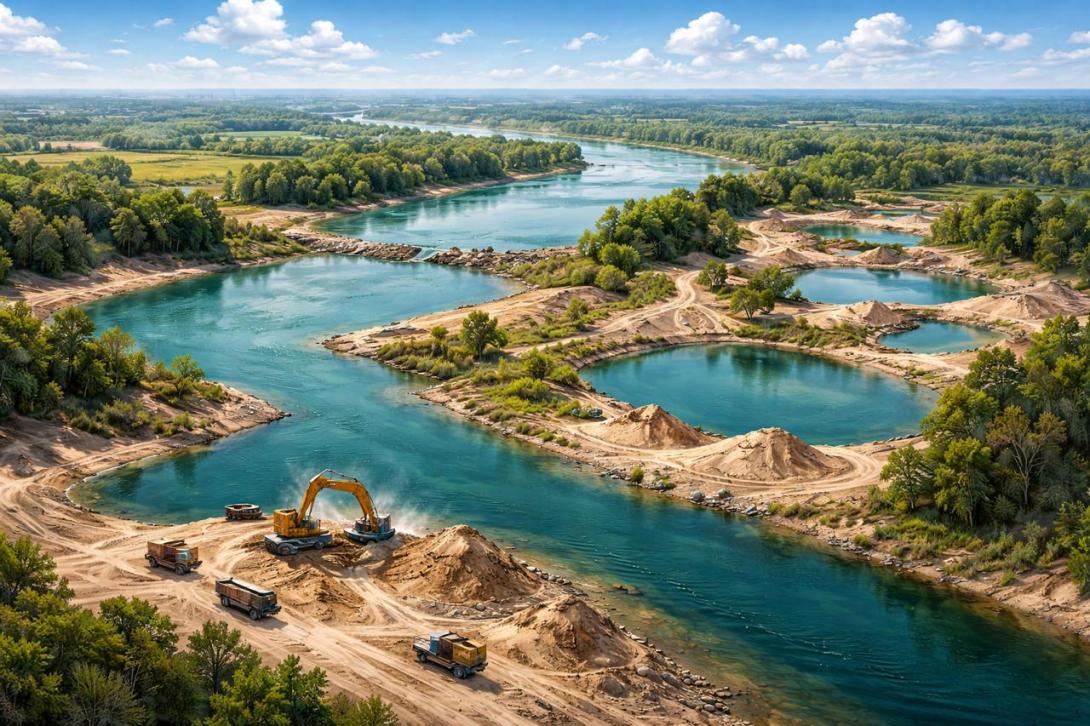
The FBK editorial office has received reports from residents of the Aktobe region concerned about the condition of the Ilek River. According to them, new quarries for the extraction of sand and sand-and-gravel mixtures are actively appearing along the floodplain. People fear that interference with the riverbed and floodplain system could have consequences not only for the ecology but also for the region's water supply.
The Ministry of Ecology stated that CCTV cameras to combat illegal dumping have been deemed "impractical", as waste is supposedly stored outside populated areas. However, data from the Ministry of Internal Affairs, media publications and FBRK investigations show that dumping sites were recorded within cities too, and the government bodies themselves had previously reported on the effectiveness of cameras and digital monitoring.
The Ministry of Transport of the Republic of Kazakhstan has introduced mandatory registration of transport documents in the ESUTD system from 1 June 2026. Users are reporting a lack of verification during platform registration and the public disclosure of personal data in an open chat. The editorial board of the FBRE has decided to look into all the shortcomings of the system.
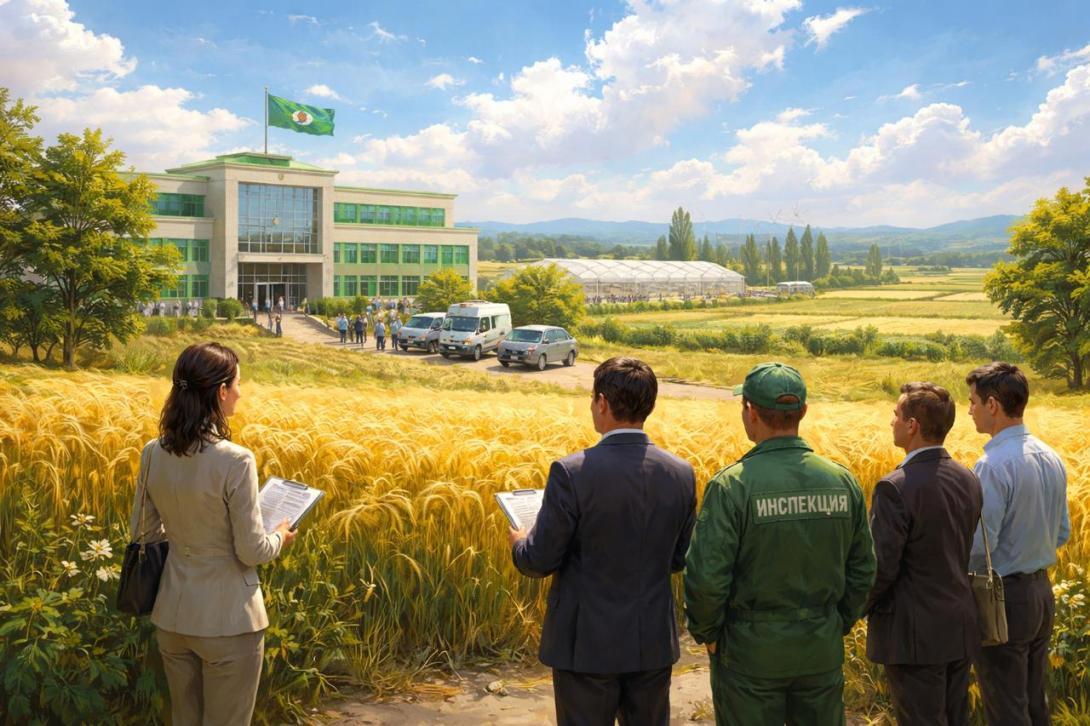
After the FBRC publication about the conflict at the A.I. Barayev Grain Farming Research and Production Centre, our editorial team sent inquiries to state bodies. The Ministry of Agriculture reported that a special group was working to examine the arguments of the complainants, while the Ministry of Labour explained the reasons for refusing to conduct an inspection into one of the appeals.
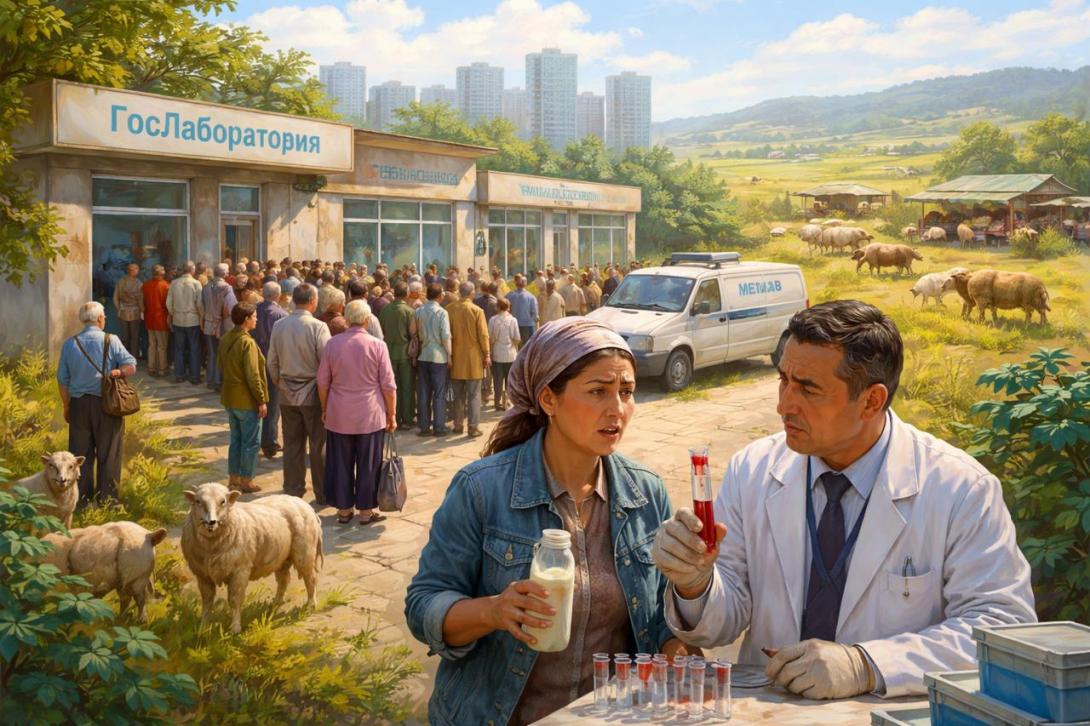
In Kazakhstan, the diagnosis of brucellosis has become a true administrative privilege. Testing can now only be obtained in a state laboratory. Alexey Balas, Director of Development and Innovation at the Olimp Clinical Diagnostic Laboratory, told FBK how a simple decision turned accessible diagnostics into a monopoly.
The Prosecutor's Office of the Terenkol District in the Pavlodar Region has identified the unjustified allocation of pastures covering 1,552 hectares to the agricultural enterprise "Wilhelm" for a period of 20 years.
In the Kostanay region, monitoring of water supply facilities in flood-affected areas has been stepped up. Sanitary and epidemiological monitoring of drinking water and food products has been organised there.