(13 January | Source: FBRK)
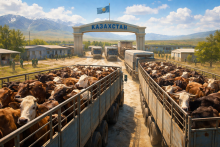
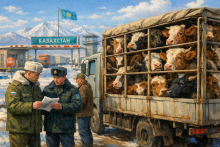
The editorial board of FBRK continues to highlight documentary evidence of previously described schemes of violations during the transit transportation of livestock across the Kazakhstani border.
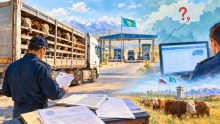
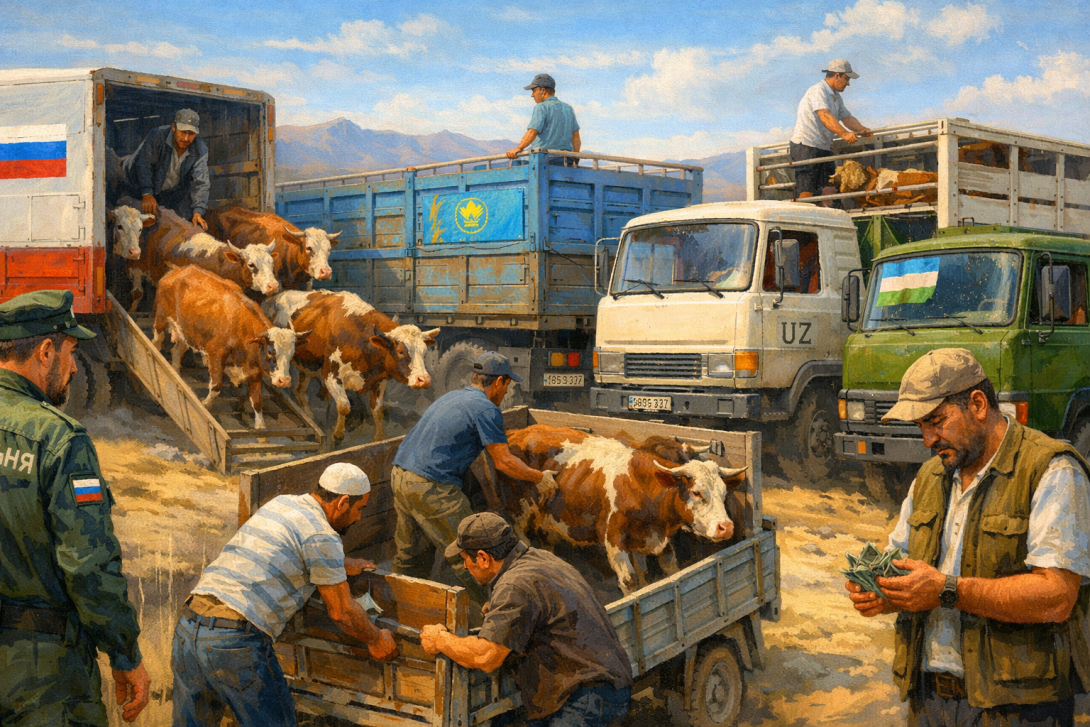
Today we analyse a package of official documents from the Mangystau Region, which record systemic violations during the transportation of cattle from Russia to Uzbekistan.
WHAT HAS BEEN DOCUMENTED
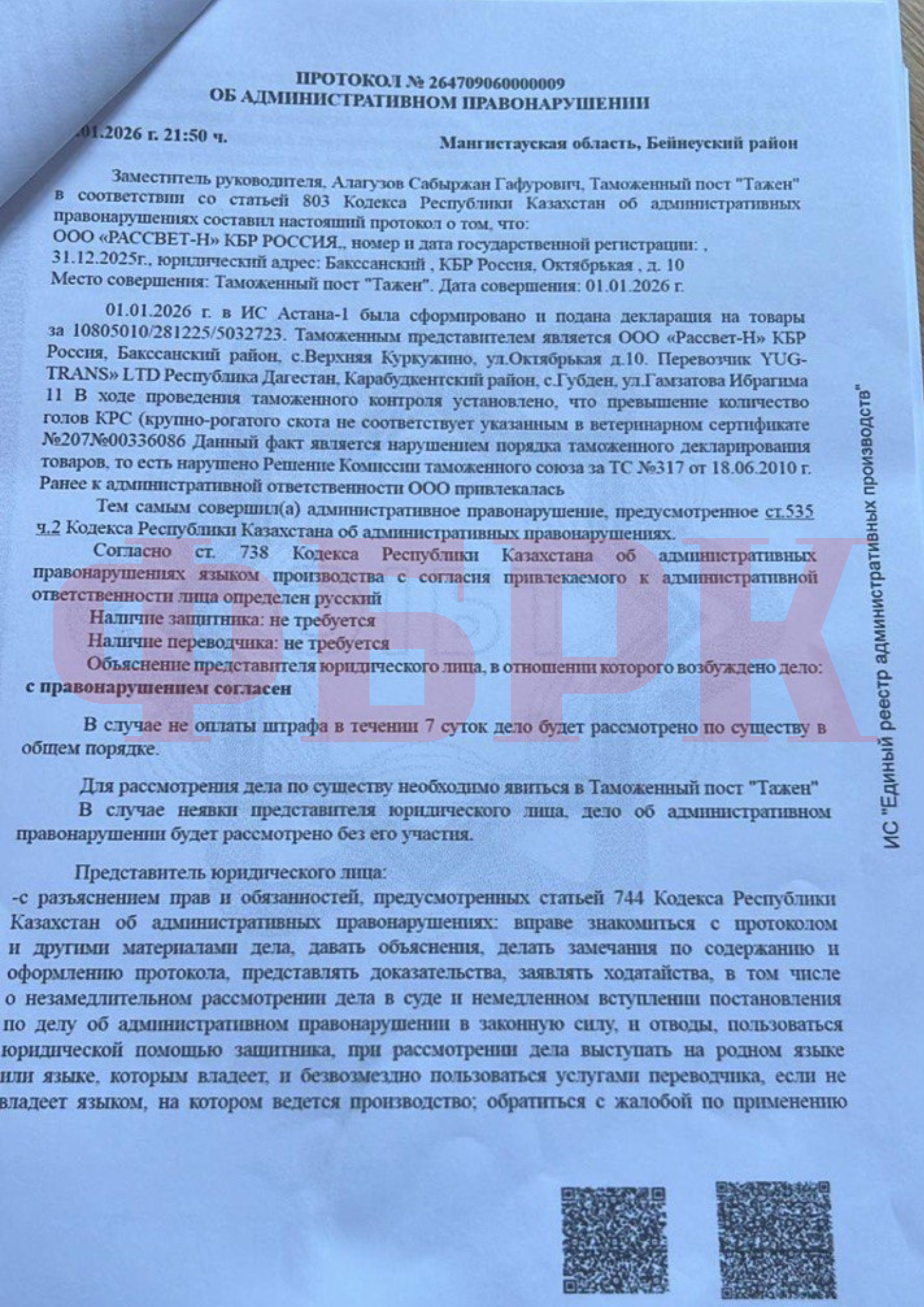
According to documents obtained from FBRK sources, on 1 January 2026, in the Beyneu district of the Mangystau Region, customs and veterinary services drew up four reports on administrative offences concerning one Russian company — LLC “Rassvet-N”.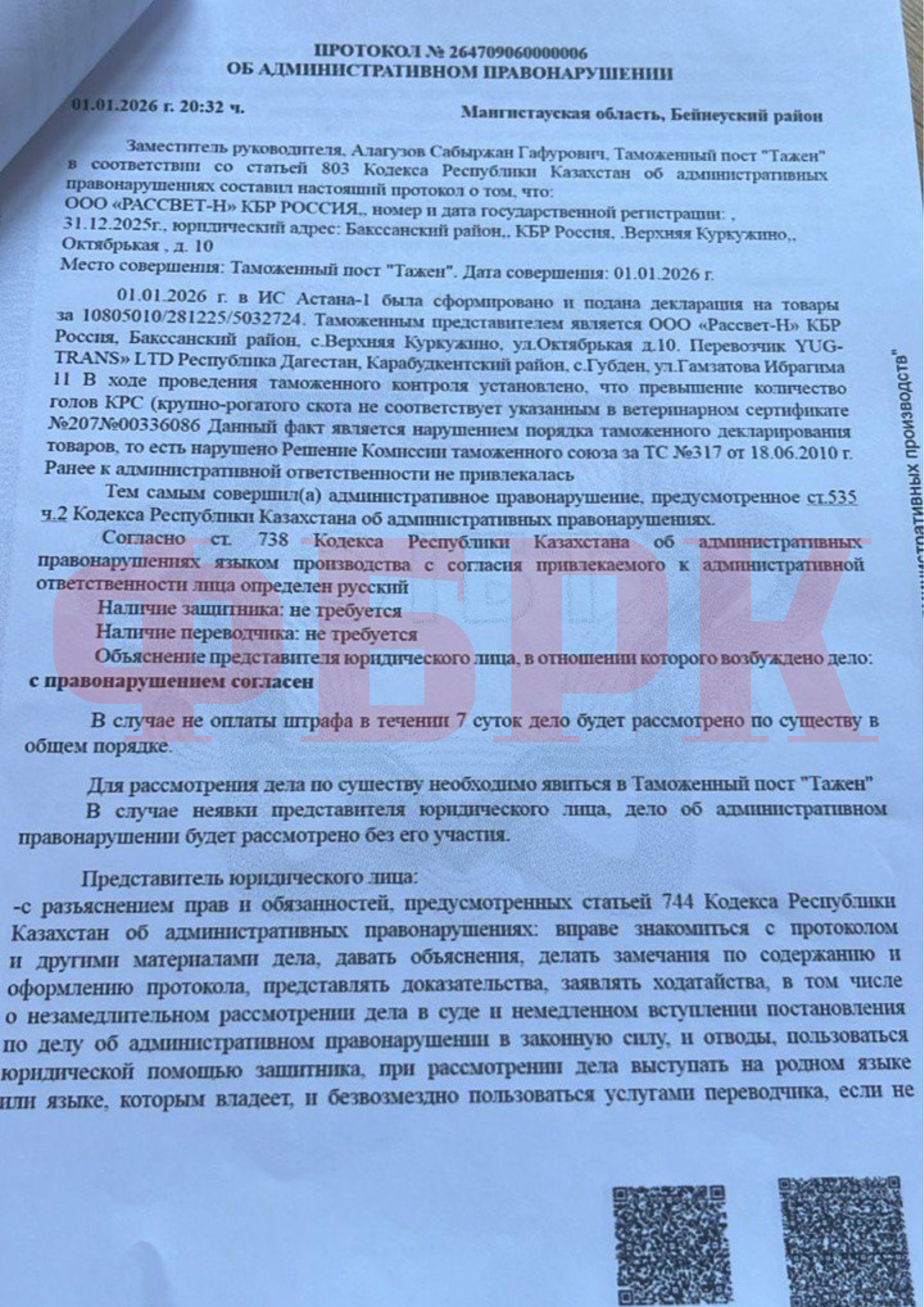
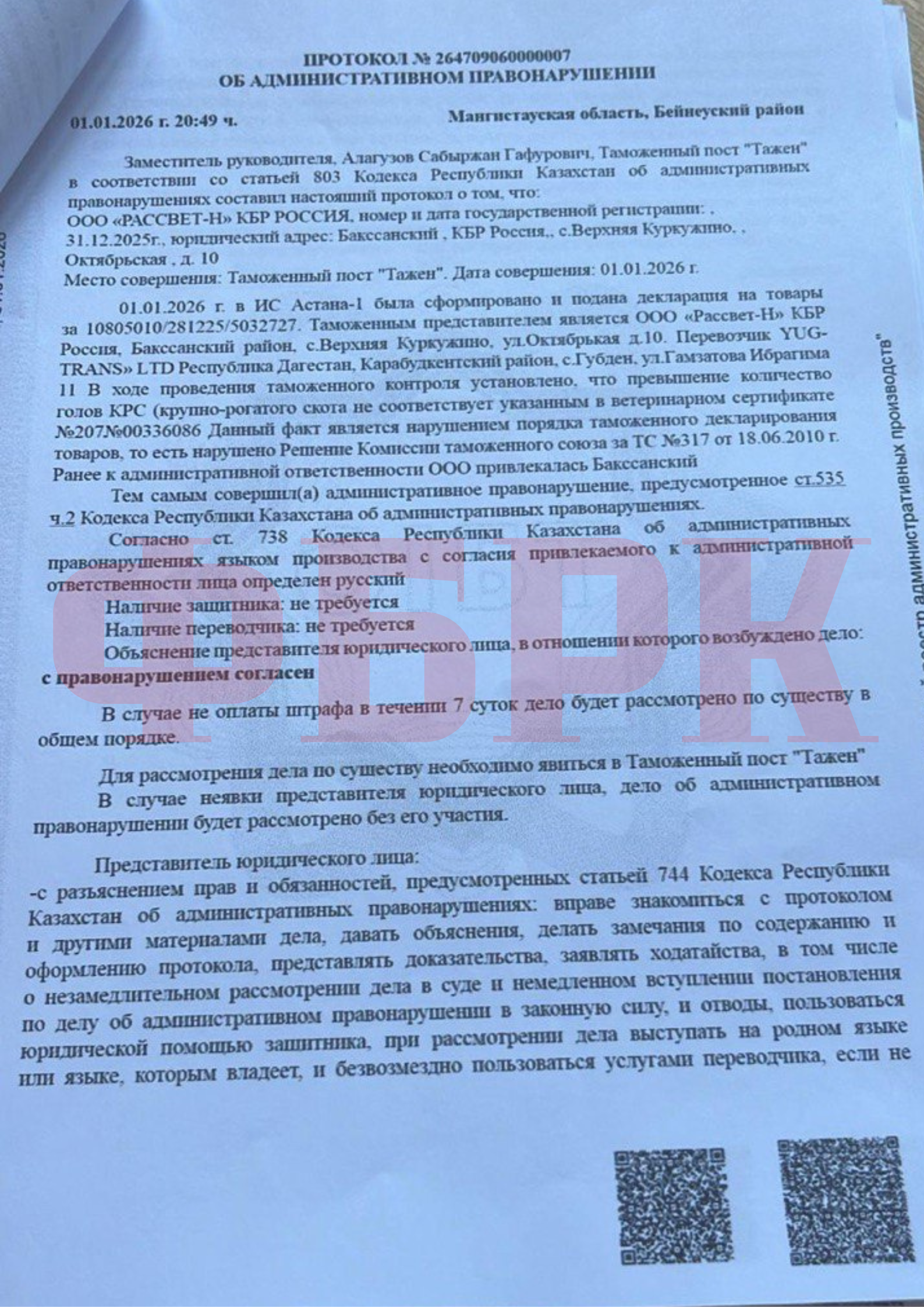
The reports, recorded at different times, documented an identical violation: an excess in the number of cattle compared to the data in the veterinary certificates and customs declarations.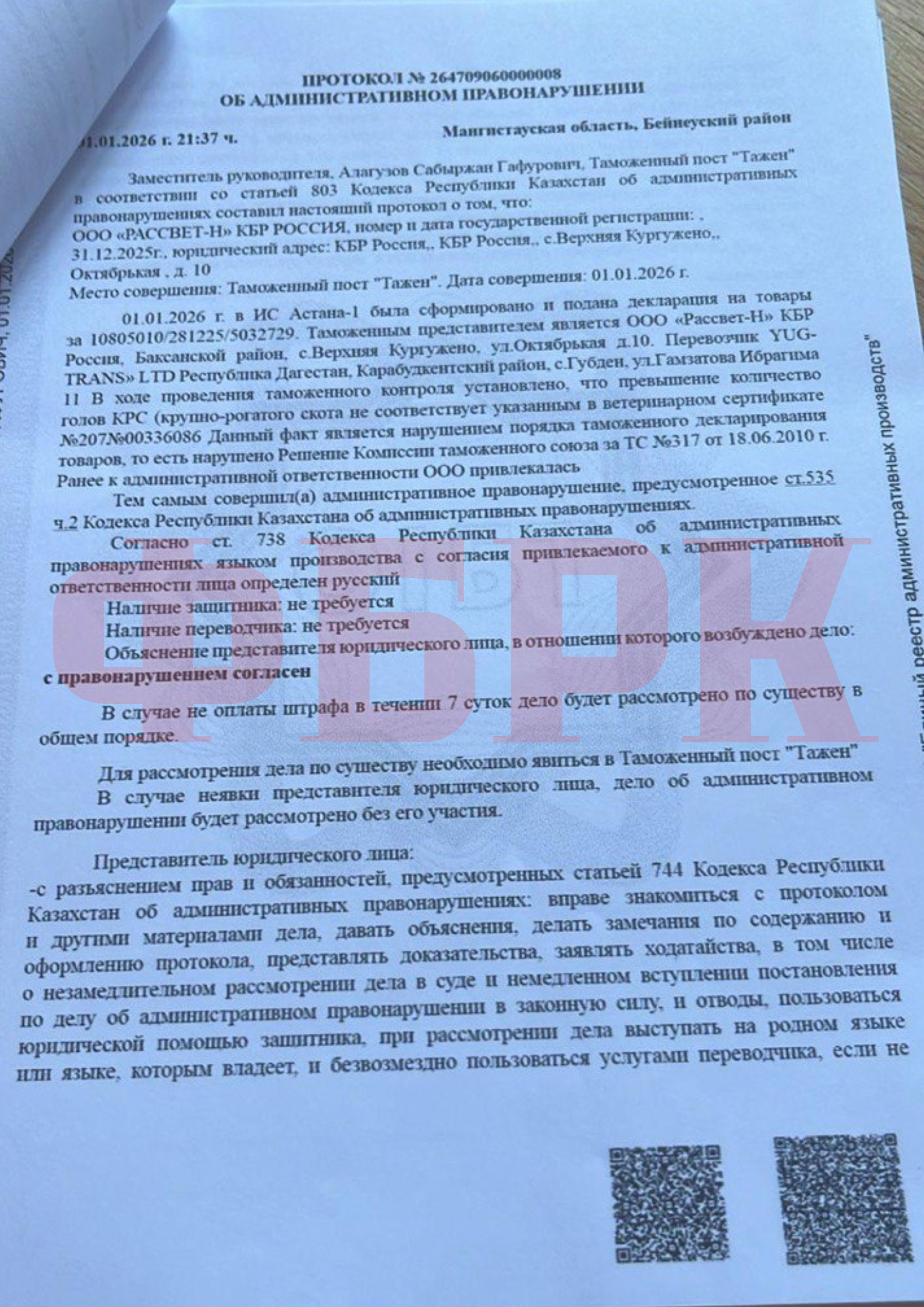
The cargo return report states that the documents declared 60 head of cattle, but in fact 15-20 more head were discovered. The carrier is the company YUG-TRANS LTD, registered in the Republic of Dagestan, and the consignee is SME “BULL AND BEEF” in Uzbekistan. The company admitted the violation. The receipt for payment of the fine records the amount of 54,063 tenge under the summary procedure. 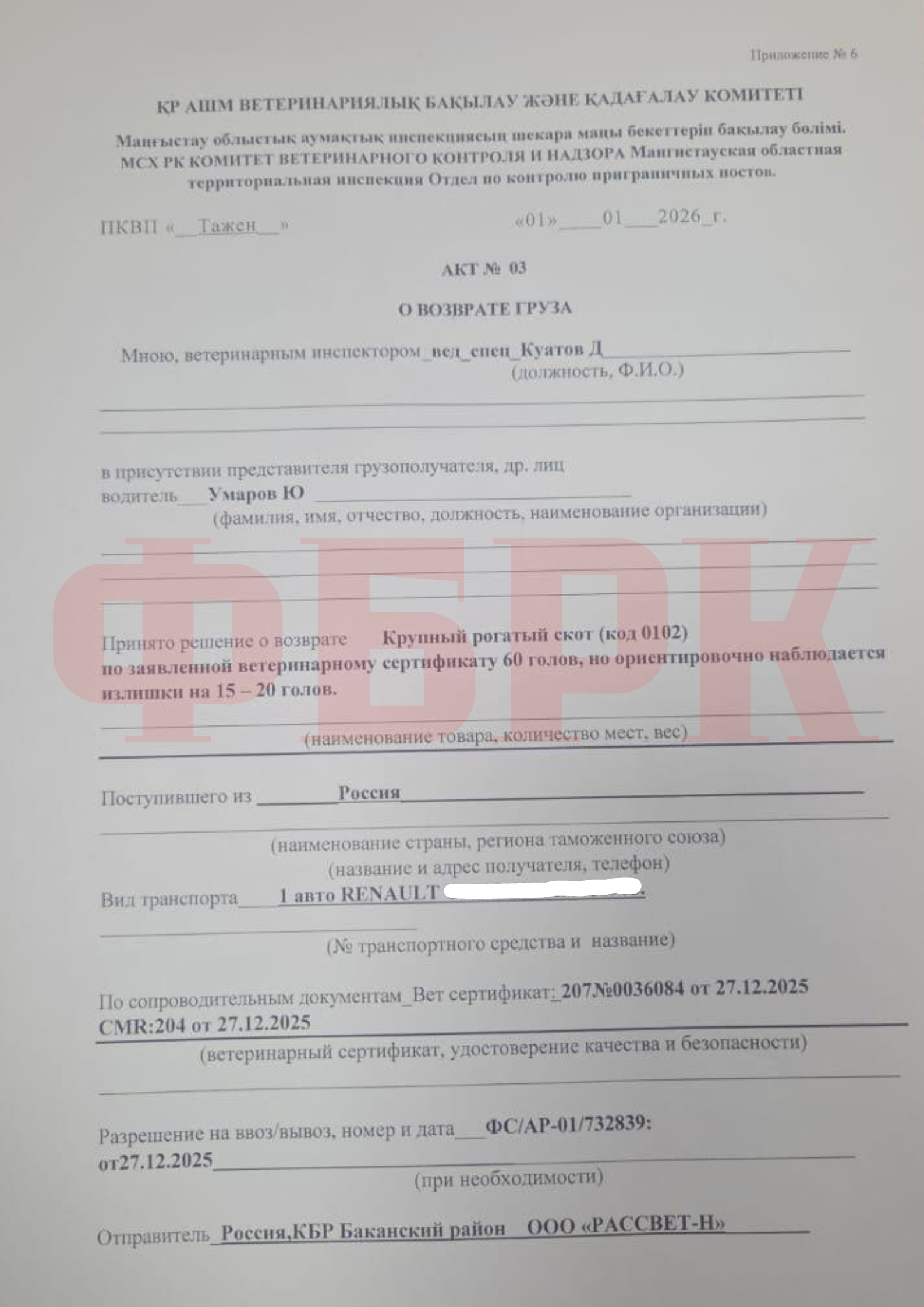
It is also worth noting that LLC “Rassvet-N” was registered on 31 December 2025 — just one day before the violations were identified.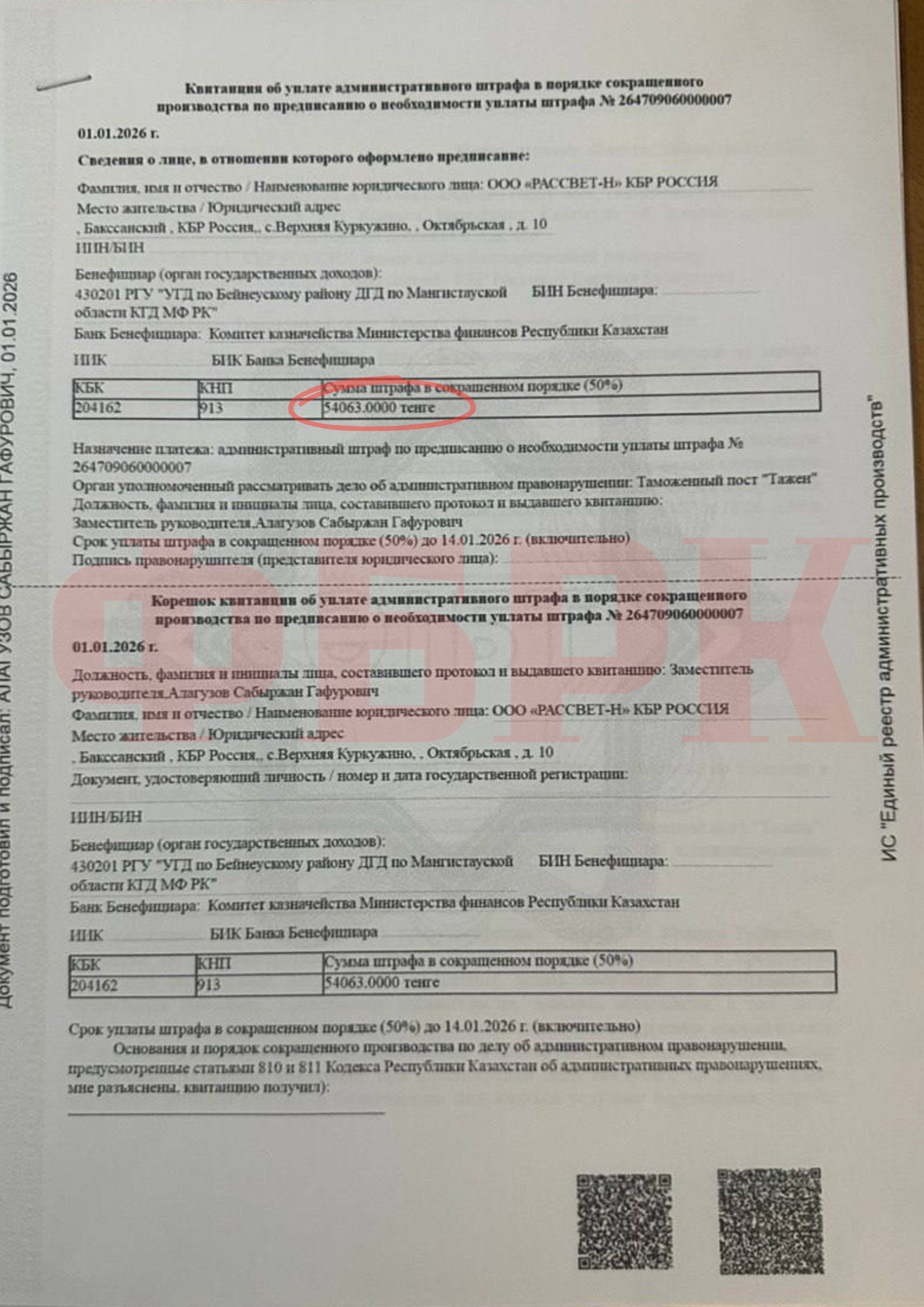
SEVERAL SCHEMES, ONE LOGISTICS
According to a source, a cargo substitution scheme is actively operating in Kazakhstan. Russian livestock, documented for transit to Uzbekistan, is in fact sold in Kazakhstan, and in this case, in the Sayram district of the Turkistan Region.
Instead, according to the source, Kazakhstani livestock is purchased and then transported further under Russian documents.
We can also suggest an alternative scenario. The livestock could be sold while still in Russia (or anywhere else along the route), and the documents are then used to export Kazakhstani livestock under the guise of Russian transit livestock. Ultimately, these possible manipulation scenarios are not mutually exclusive, and indeed, if sales occur closer to the point of origin, logistics costs become significantly lower.
The source also claims that documents often declare small cattle (e.g., mutton), even though large cattle (beef) is actually being transported. The aim is to circumvent duties and veterinary restrictions. The business is likely quite profitable. According to our data, groups of individuals are already active on the market offering assistance in arranging the export of beef under the guise of mutton (according to documents).
Furthermore, the source points to selective enforcement. According to him, violations are simply not detected at some checkpoints. He cites the “Kurmangazy” road checkpoint in the Atyrau Region as an example, whereas in the Beyneu district, inspections are strict.
SYSTEMIC VULNERABILITY
The documents demonstrate well-rehearsed logistics. Four reports in one evening, one company, one route, identical violation — signs of an industrial scale. Admitting guilt without contesting it may mean the fines are factored into the business model as a cost.
The disparity in sanctions is also interesting here. Similar violations result in both fines and warnings. And, as is known, uneven punishment for widespread violations is a particular sign of weak law enforcement.
Cargo substitution and the use of transit documents to export local livestock hit several areas simultaneously: customs revenue losses, veterinary risks, and the legalisation of livestock of unknown origin.
For now, only one thing can be said: the number of appeals received by our editorial board and the volume of documentary evidence point to the systemic nature of the problem. It would be logical to expect a reaction from the relevant authorities, such as the State Revenue Committee, veterinary services, and law enforcement agencies. Perhaps the response is hindered because the scheme operates not despite the system, but within it?
For context, FBRK previously reported on how formal government decisions may have created conditions allowing certain companies to export meat with peculiarities in accounting and transit.