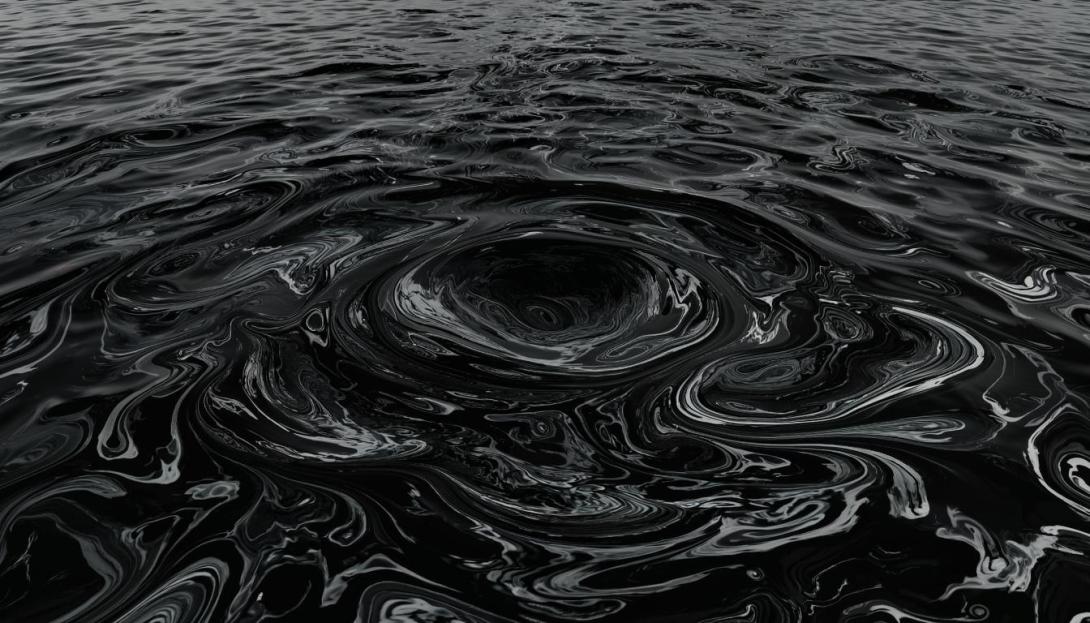
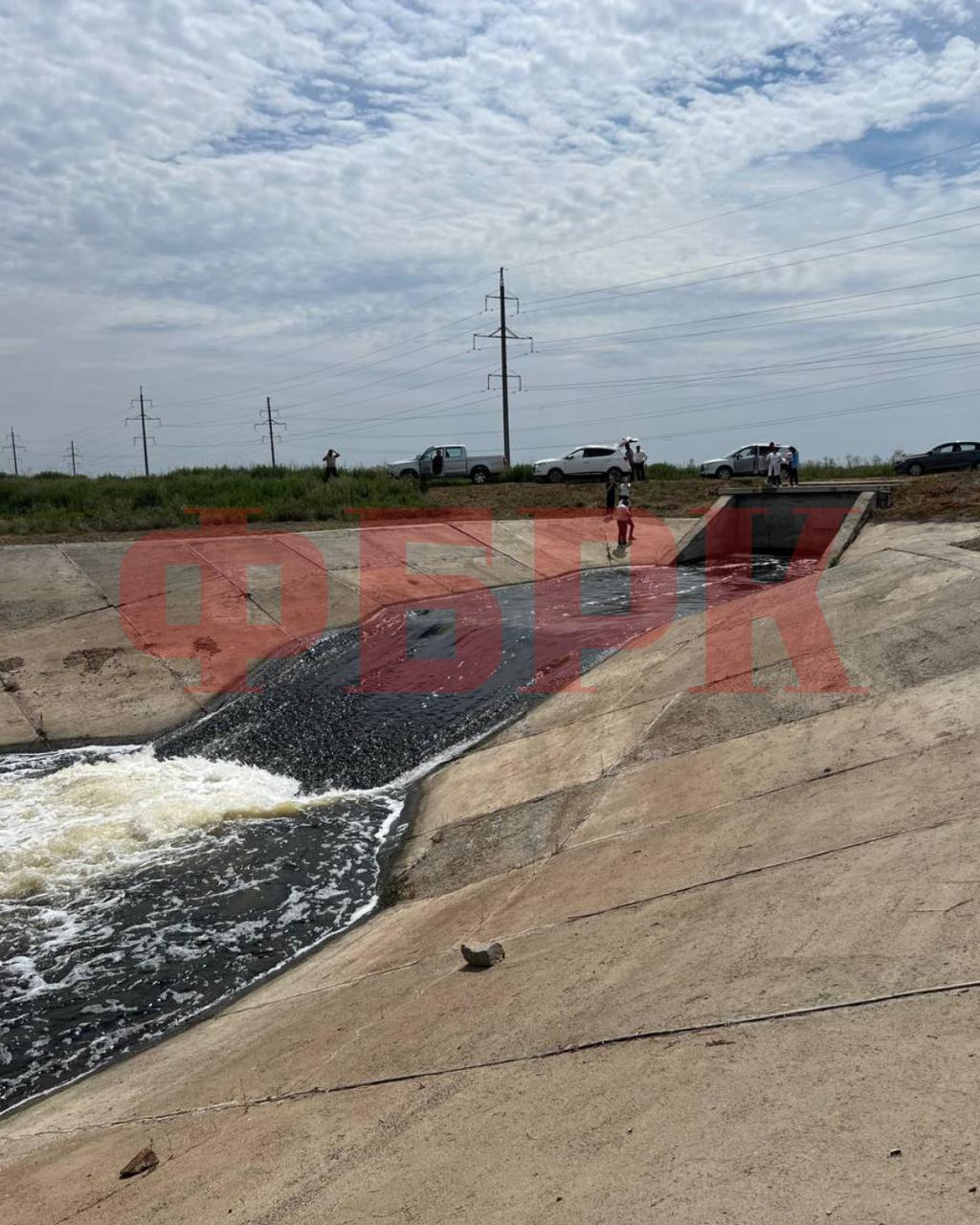
Video of black water flowing into the Ishim River stirred up social networks. Writer and activist Bolat Bashzhanov published a clip in which he suggested the dark liquid was poorly treated sewage effluent from the capital. The editorial team of FBRK decided to investigate the situation on the ground.
The reaction of State Enterprise 'Astana Su Arnasy', the organisation responsible for the city's water supply and wastewater disposal, was unexpected — instead of formal disclaimers and denials, company employees offered to conduct a tour of the production facility. The invitation was accepted by a correspondent from our editorial office, Bolat Bashzhanov himself, and the deputy head of the capital's ecology department, Alimzhan Zhanbatyr.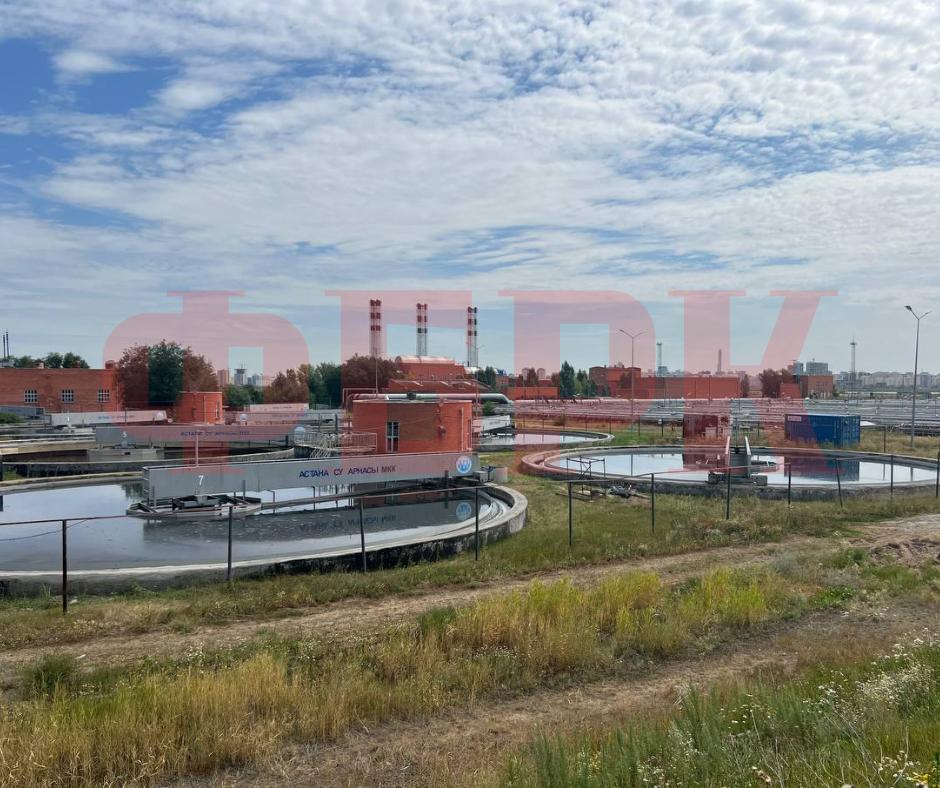
The company's Chief Process Engineer, Firuza Aldungurova, led the group through the entire technological process. The FBRK correspondent saw with his own eyes how the murky dark liquid entering the treatment plant undergoes multi-stage processing and is transformed into clear industrial water.
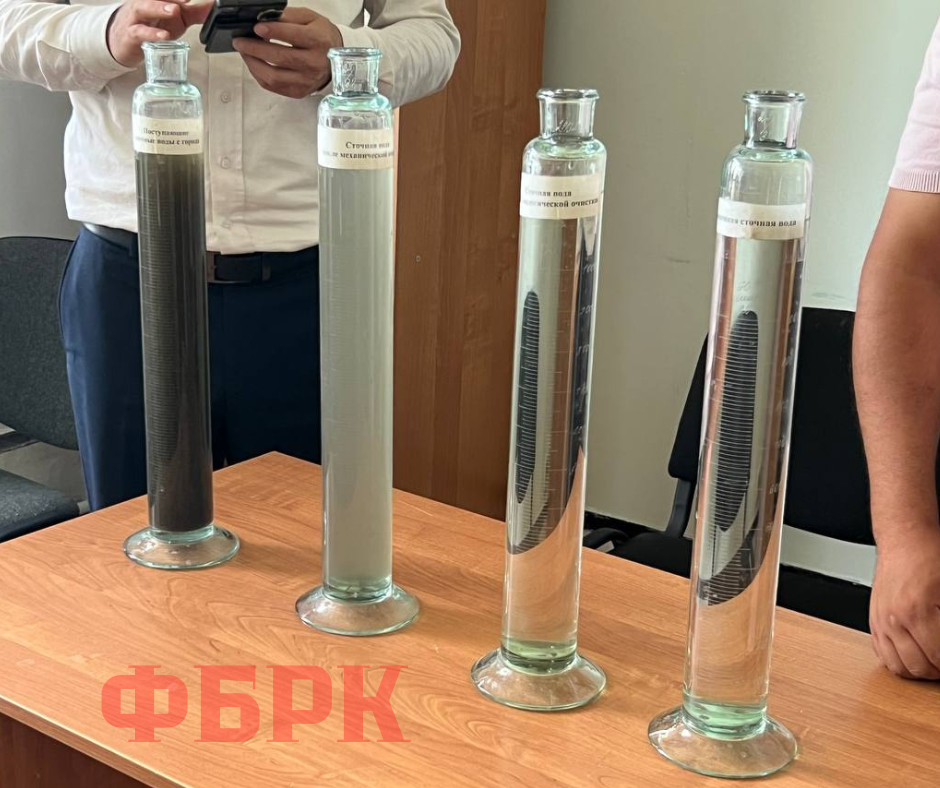
The final stage is ultraviolet treatment, after which the water becomes suitable for the city's industrial needs. It is this treated water that municipal services use for washing roads, kerbs, and other urban infrastructure objects, helping to conserve drinking water.
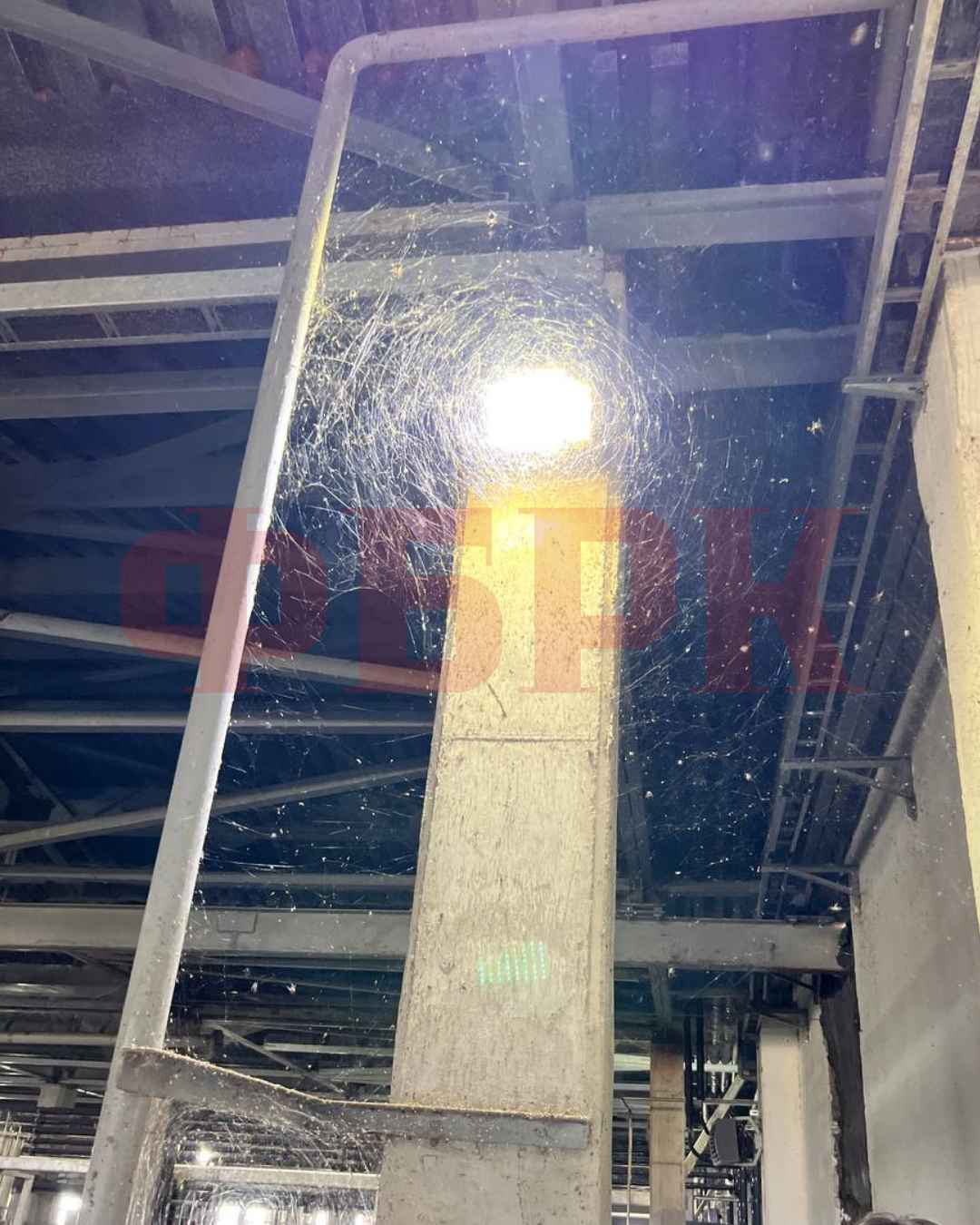
Overall, the plant left a mixed impression — the main production buildings look well-maintained, although in one room the correspondent discovered a significant number of spiders and cobwebs. Some areas clearly require more thorough upkeep.
Furthermore, although around 200 people officially work at the site, during the visit the journalist saw only a few employees, raising questions about the plant's actual workload.

Nevertheless, the workers demonstrated complete openness: they spoke about regular sample collection, showed the laboratory, and even agreed to re-test the water in the presence of journalists. The ecology department also took its own samples for independent analysis. The results of both checks are expected shortly.
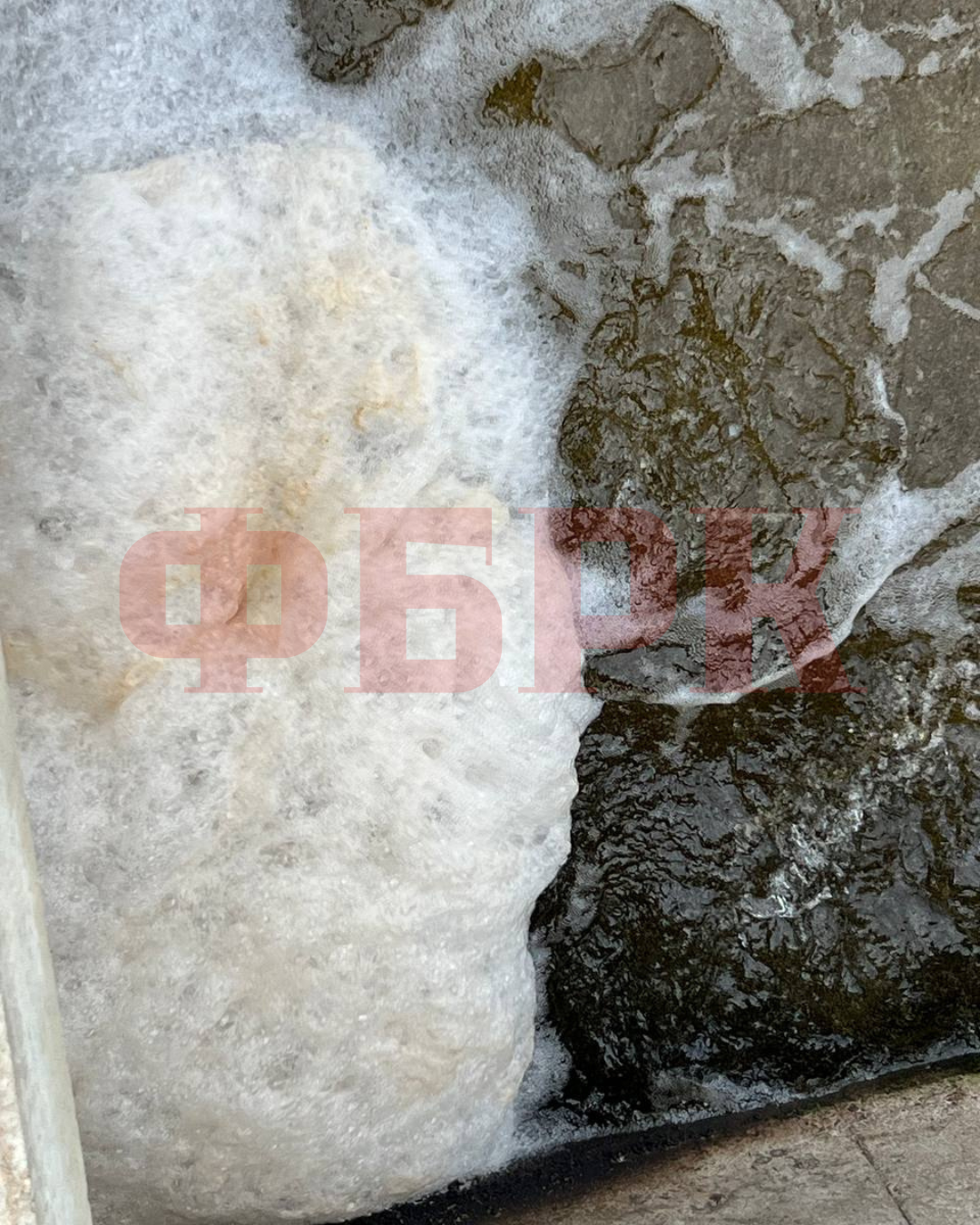
However, a full picture required checking the very spot where the activist had originally filmed his video. Our correspondent went there too. During the day, there was indeed no unpleasant smell, but the journalist's attention was drawn to foaming on the water, which outwardly resembled a chemical reaction. However, company employees explained this as natural water turbulence. Conversations with local residents also added nuance: according to them, the smell is present in the evening and especially at night.
The plant workers responded constructively to this statement as well — inviting journalists and the public to visit the treatment plant at night-time to be absolutely sure there are no violations.
Such openness on the part of 'Astana Su Arnasy' deserves special attention. When many organisations prefer to close themselves off from criticism, the willingness to show one's work from the inside and invite sceptics to the facility speaks of a serious attitude towards one's responsibilities. We now await the results of the repeated analyses and, possibly, the night-time inspection to put the final full stop on this story.
Let us recall that this spring, the FBRK editorial team consistently studied the situation, analysed data, and monitored the activities of numerous entities affecting the Ishim River and the Astana (Vyacheslavskoye) Reservoir. We compiled a full investigation into the state of the capital's main water sources, which can be viewed via this link.
A separate topic was the interaction with state bodies on this matter. For example, in April 2025, the FBRK editorial team sent three different requests to the Land Management Department of the Akmola Region asking for inspections to be carried out on each of the sites.
For a month and a half, the Land Management Department allegedly conducted checks on plots along the Ishim River and the Astana Reservoir which, according to FBRK's data, negatively affect the ecosystem of these critically important water bodies. However, instead of concrete conclusions, the department sent a standard brush-off reply. No site visits, no legal assessment, no reaction to the facts of possible violations. The department not only provided another bureaucratic excuse, it replicated the exact same response to all three requests without any changes.
Moreover, in the response concerning agricultural plots near the Astana Reservoir, the department spoke in detail about subsoil use near the Ishim River. The officials did not even bother to change the text, simply copying the reply to the first request. In early July, we even published a detailed article about the remarkable ability of state bodies to avoid directly fulfilling their duties.