(9 February 2026 | Source: FBRK)
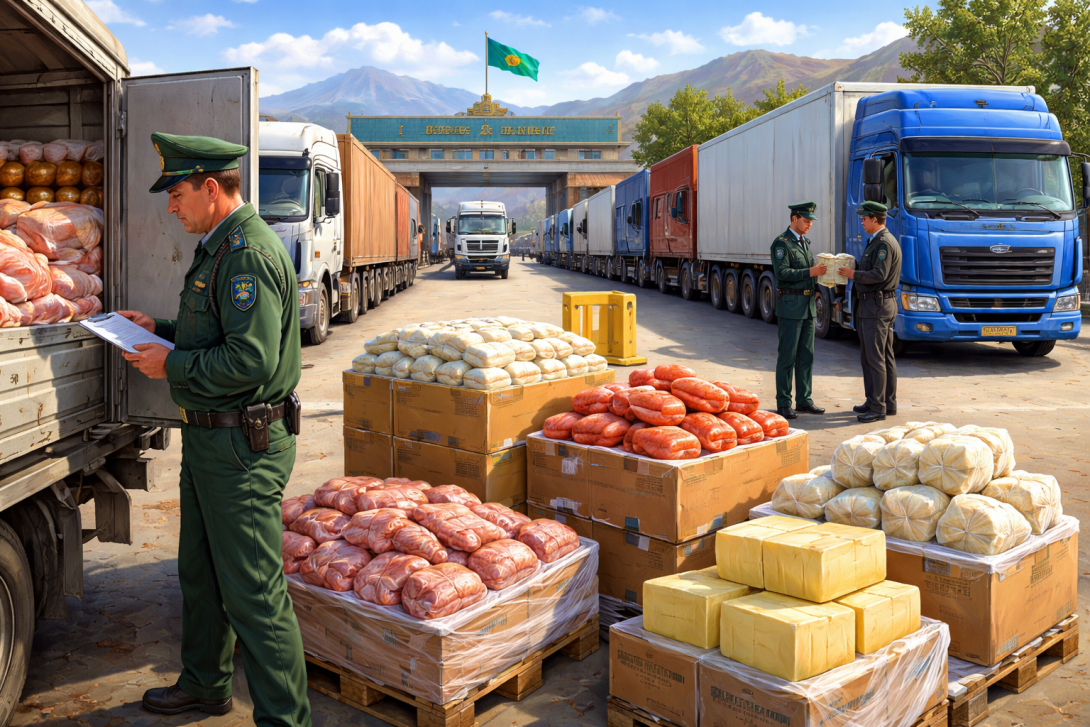
The FBRK editorial office has received information from several independent sources about possible violations in the import of products of animal origin through customs posts in the Turkestan region. According to them, it involves the systematic movement of goods without proper veterinary control.
If this information is true, it calls into question not only sanitary safety but also the effectiveness of customs procedures in general.
WHAT THE ANONYMOUS SOURCES ARE REPORTING
According to the information received, dairy products (kurt, butter) and meat products (sausages, poultry meat) are regularly imported through the 'Kaplanbek' and 'Kazyghurt' customs posts, as well as the 'Saryagash' railway station. 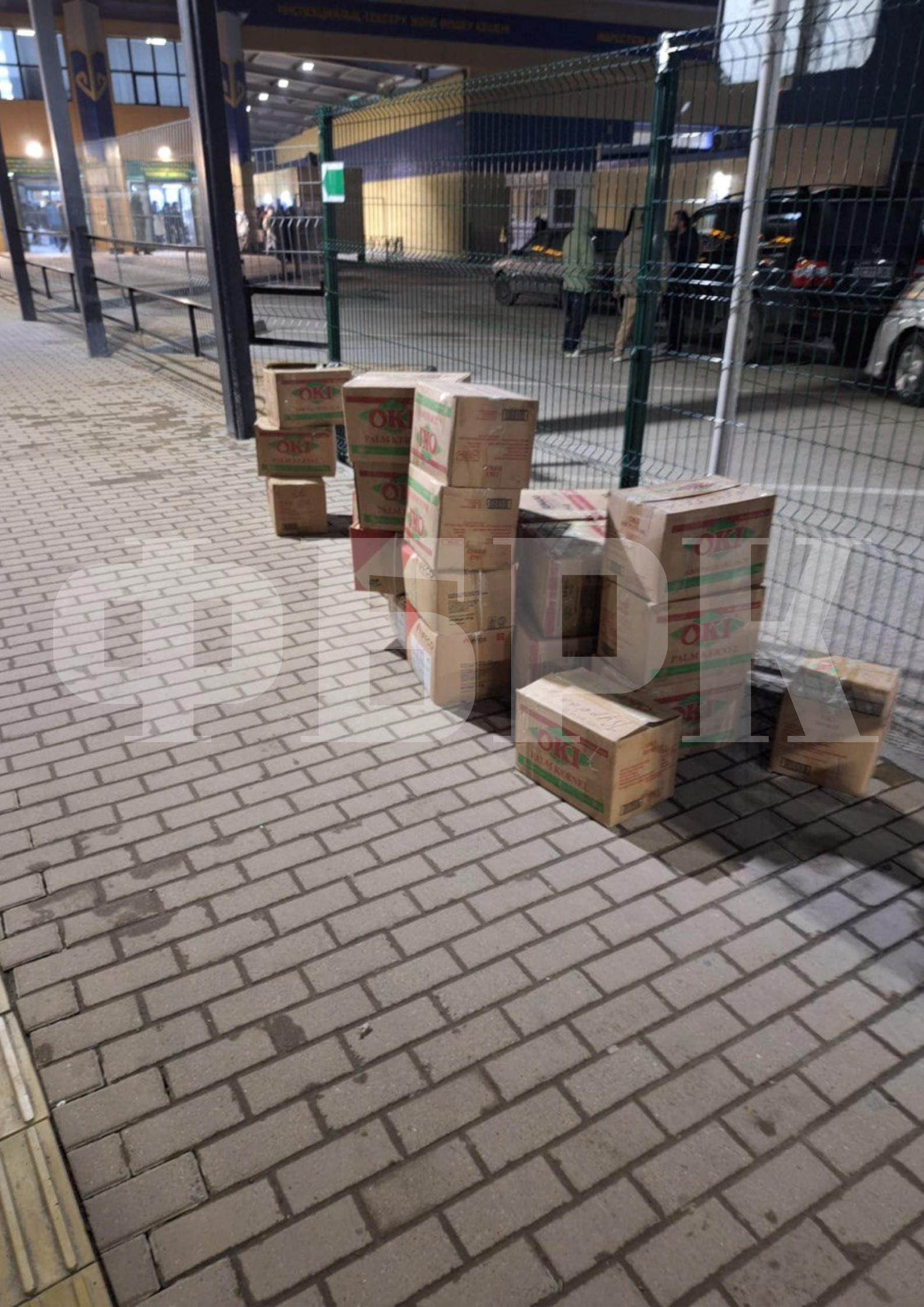
According to the sources, these products are being moved without the required veterinary certificates and in breach of sanitary transport regulations.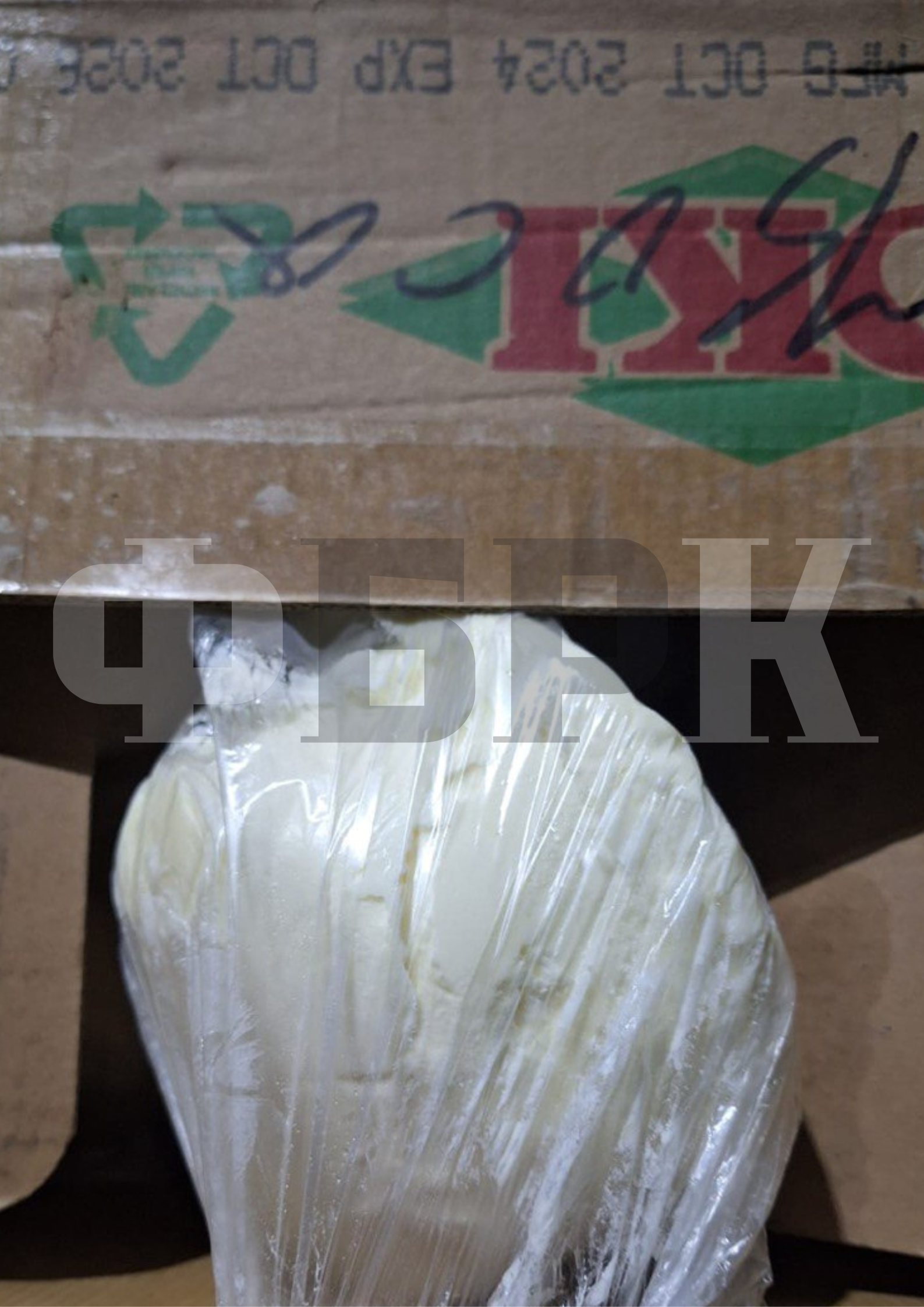
The FBRK editorial office possesses video materials confirming the presence of the mentioned products on the premises of one of the customs points. However, to protect the personal data of those who provided the information and to prevent their identification, the full video recordings are not being published.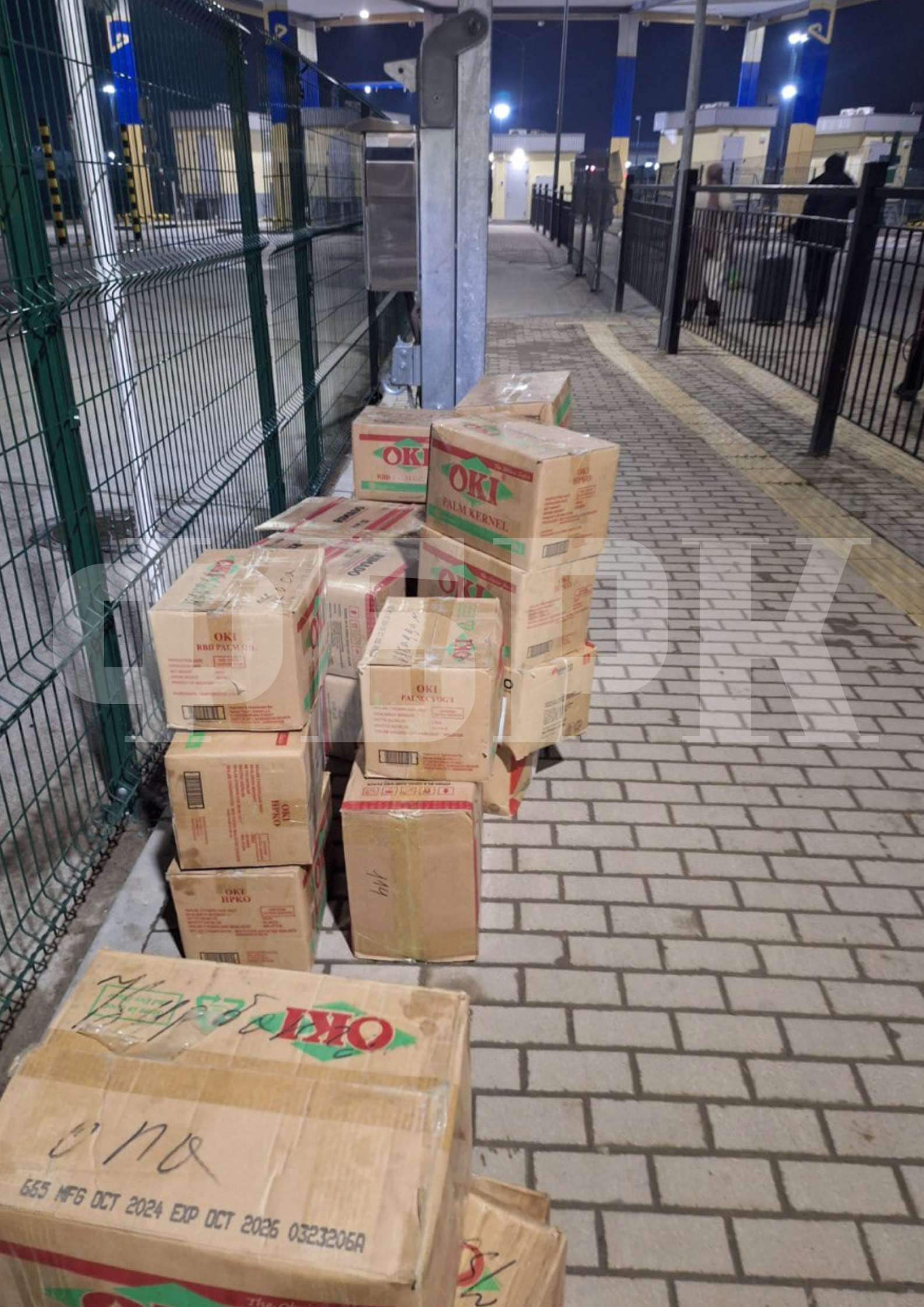
The sources claim that an organised scheme is in place at the 'Kaplanbek' and 'Kazyghurt' posts: veterinary inspectors receive $100 per shift to allow products through without documentation.
According to the informants, the transfer of funds is carried out by employees of the regional veterinary service. A similar practice, according to the data obtained, also exists at the 'Saryagash' station, where contraband products are allegedly brought in 'by the trainload'.
CONTEXT AND SYSTEMIC RISKS
Products of animal origin fall into the category of high sanitary risk goods; their import requires mandatory veterinary control, international certificates, and adherence to temperature controls during transport.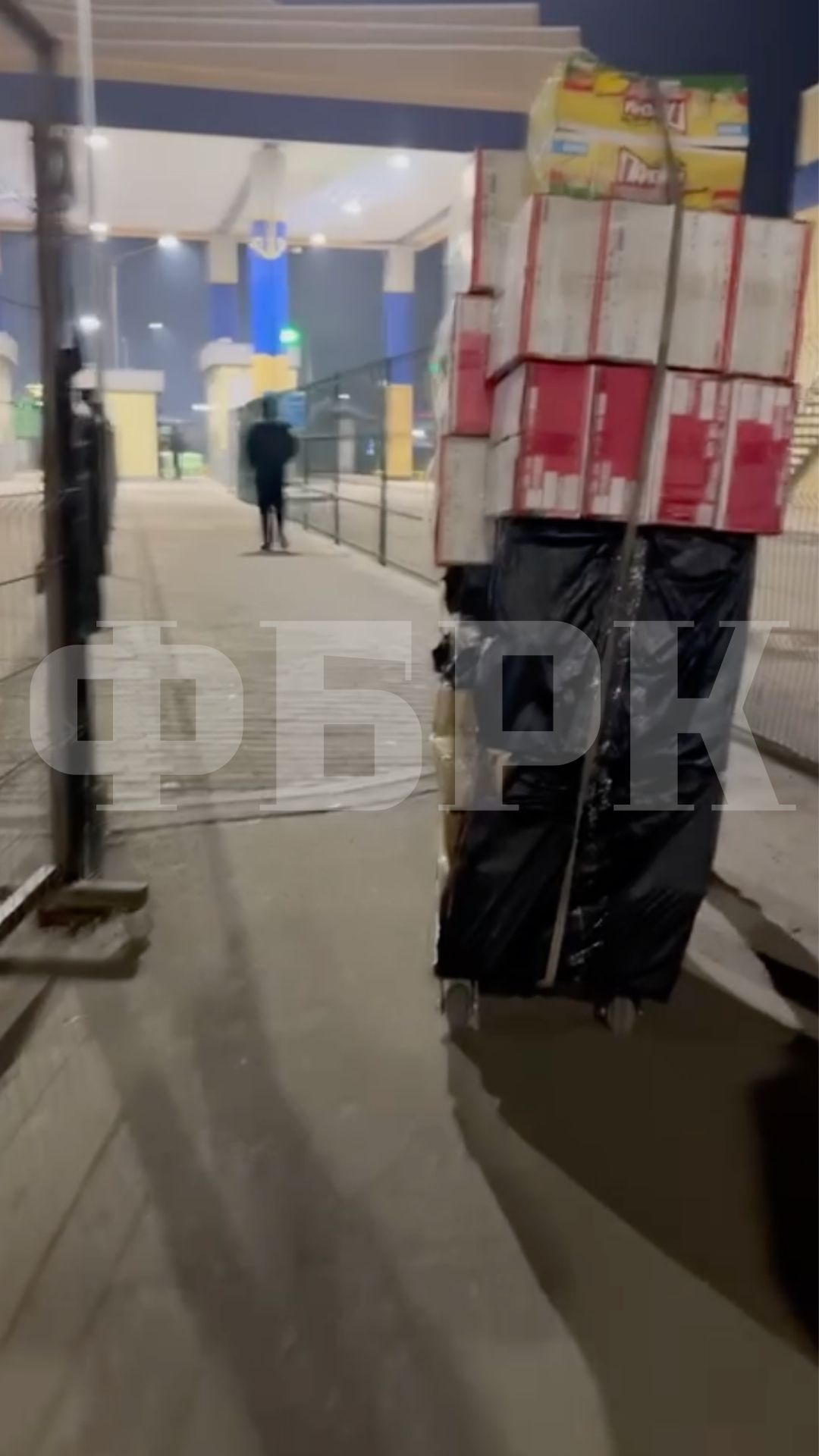
If the source information is correct, this could point not only to sanitary violations but also to a corruption element within the work of the regulatory bodies.
Undoubtedly, the information received requires immediate verification by the relevant departments. However, the very fact that such reports are consistently emerging raises uncomfortable questions for the Ministry of Agriculture and its subordinate Committee for Veterinary Control and Supervision.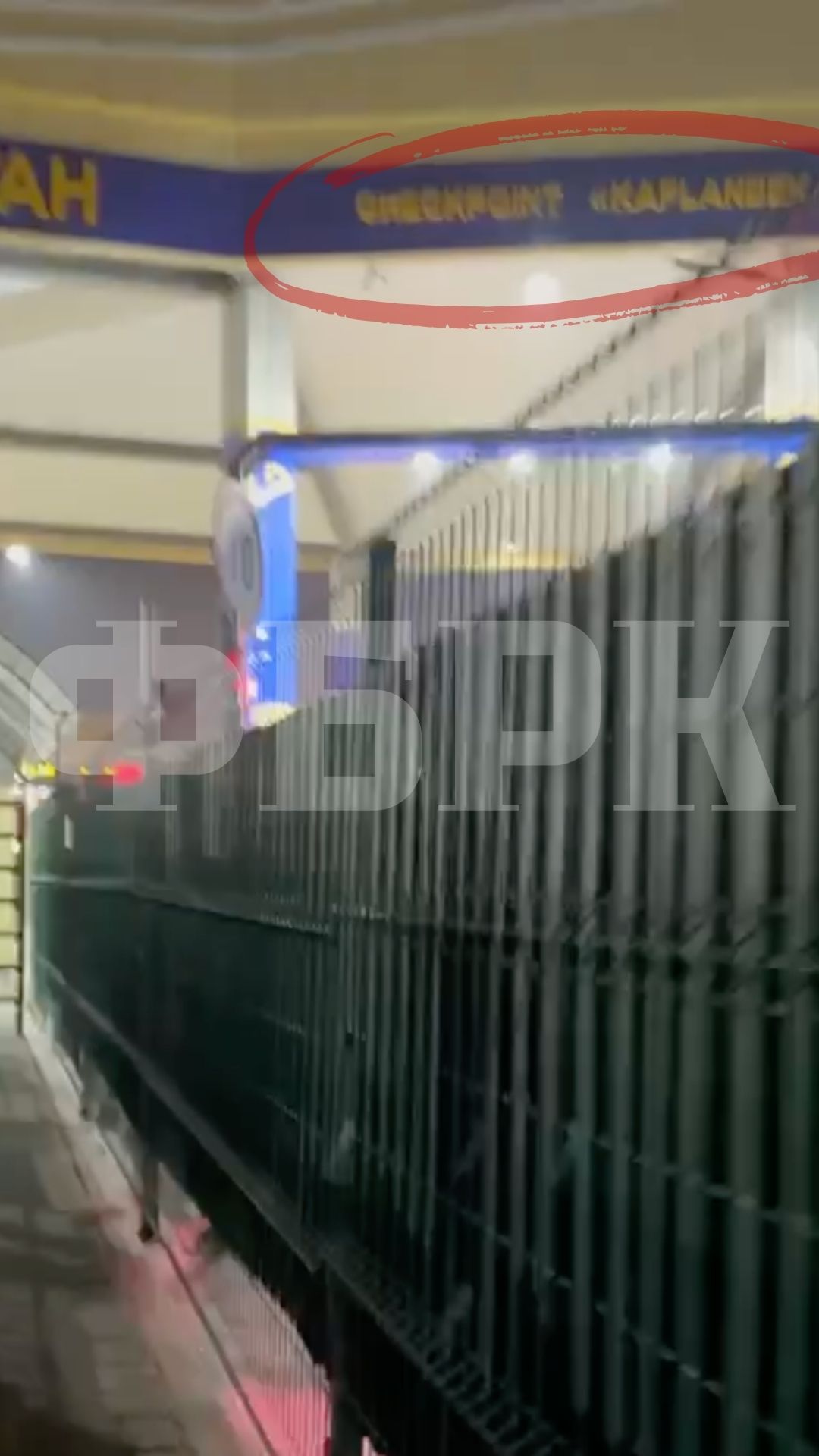
After all, when violations are of a regular nature at several posts simultaneously, it points either to the department's inability to control its own employees or to deliberate connivance.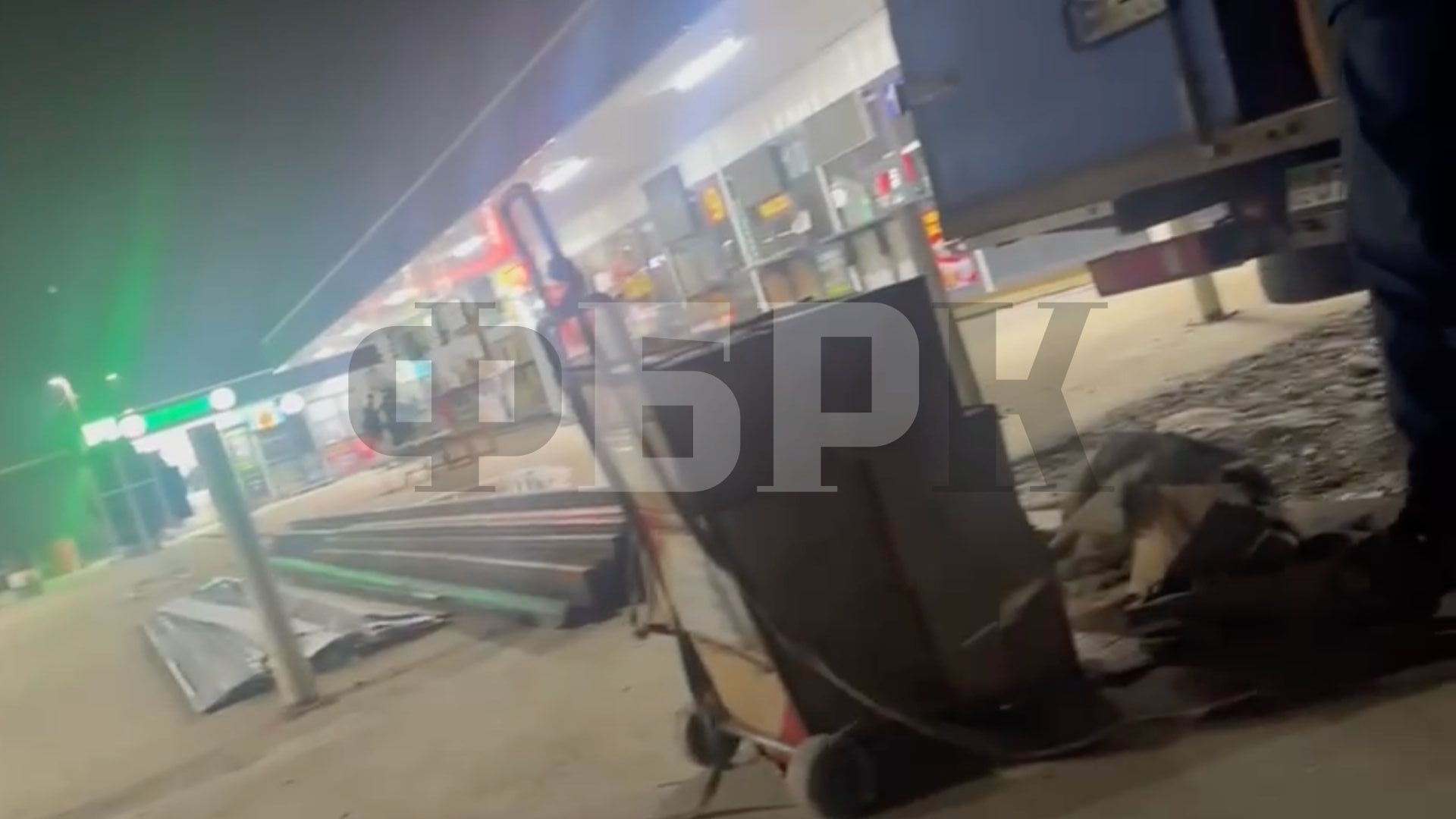
It is worth noting that the Turkestan region is not new to being mentioned in the context of customs violations, and the lack of a public response from the relevant departments to such reports appears, at the very least, strange.
We should recall that not long ago, the FBRK editorial office analysed how the beef export control system in Kazakhstan might operate and what potential risks it creates for the industry.
Furthermore, we reported on an internal conflict within the Committee for Veterinary Control and Supervision, which later escalated into an investigation by the Agency for Civil Service Affairs, which subsequently confirmed the violations.
However, soon after, the head of the committee's personnel and organisational work department, Alfiya Zhamkenova, complained of repressive actions by management.