(11 March 2026 | Source: FBRK)
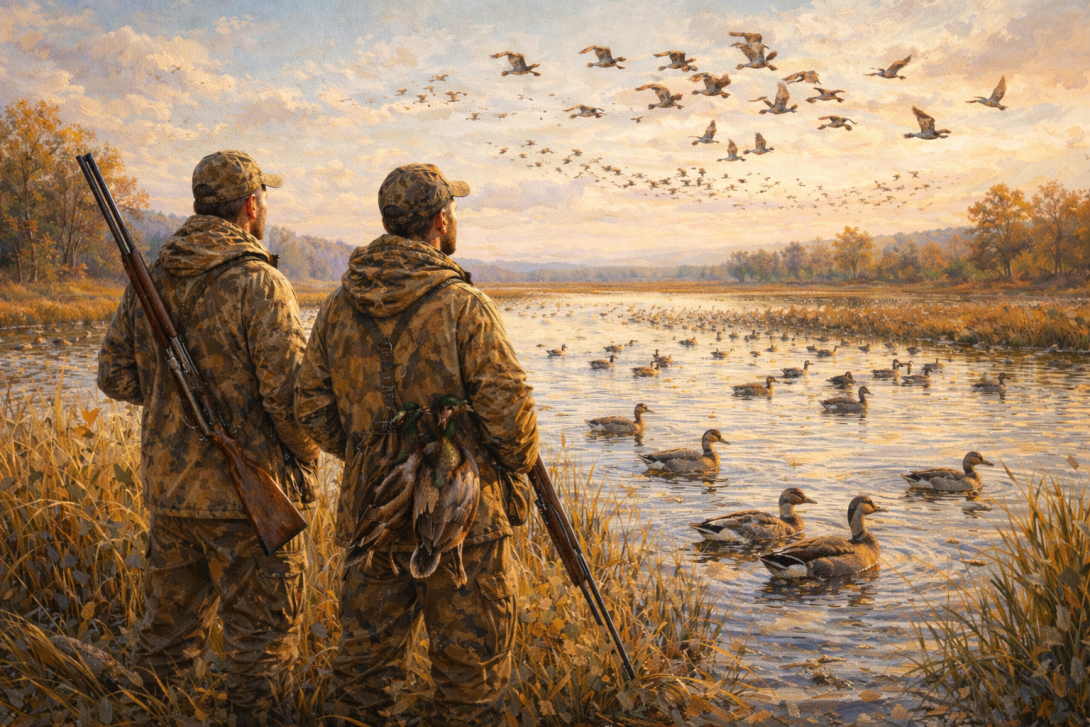
Recently, the Ministry of Ecology and Natural Resources approved quotas for shooting more than 4.3 million birds — including 1.3 million geese and 3 million ducks. The FBRK editorial office sent an official request to the ministry to find out how many hunters are currently registered in the country and how many licences have been issued, broken down by species.
QUOTAS THEY CALLED UNLIMITED
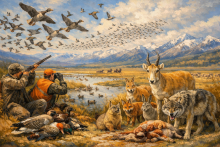
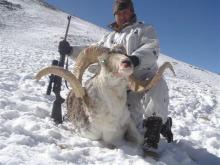
As a reminder, at the end of February this year, it became known that the Ministry of Ecology had approved hunting limits for the season from 15 February 2026 to 15 February 2027. Shooting is permitted for 1,335,310 geese, 3,029,606 ducks, 426,048 hares and tens of thousands of other animals. Wolves are included without a quantitative limit.
The Kazakhstan Association for the Conservation of Biodiversity (KACB) described the waterfowl quotas as "practically unlimited": they are five times higher than in previous years and several times exceed the standard culling threshold of 15% of the population.
ONE ANSWER OUT OF TWO
The FBRK editorial office sent an official request to the Ministry of Ecology, asking two questions: how many hunters are registered in the country and how many licences have been issued, broken down by species and region. 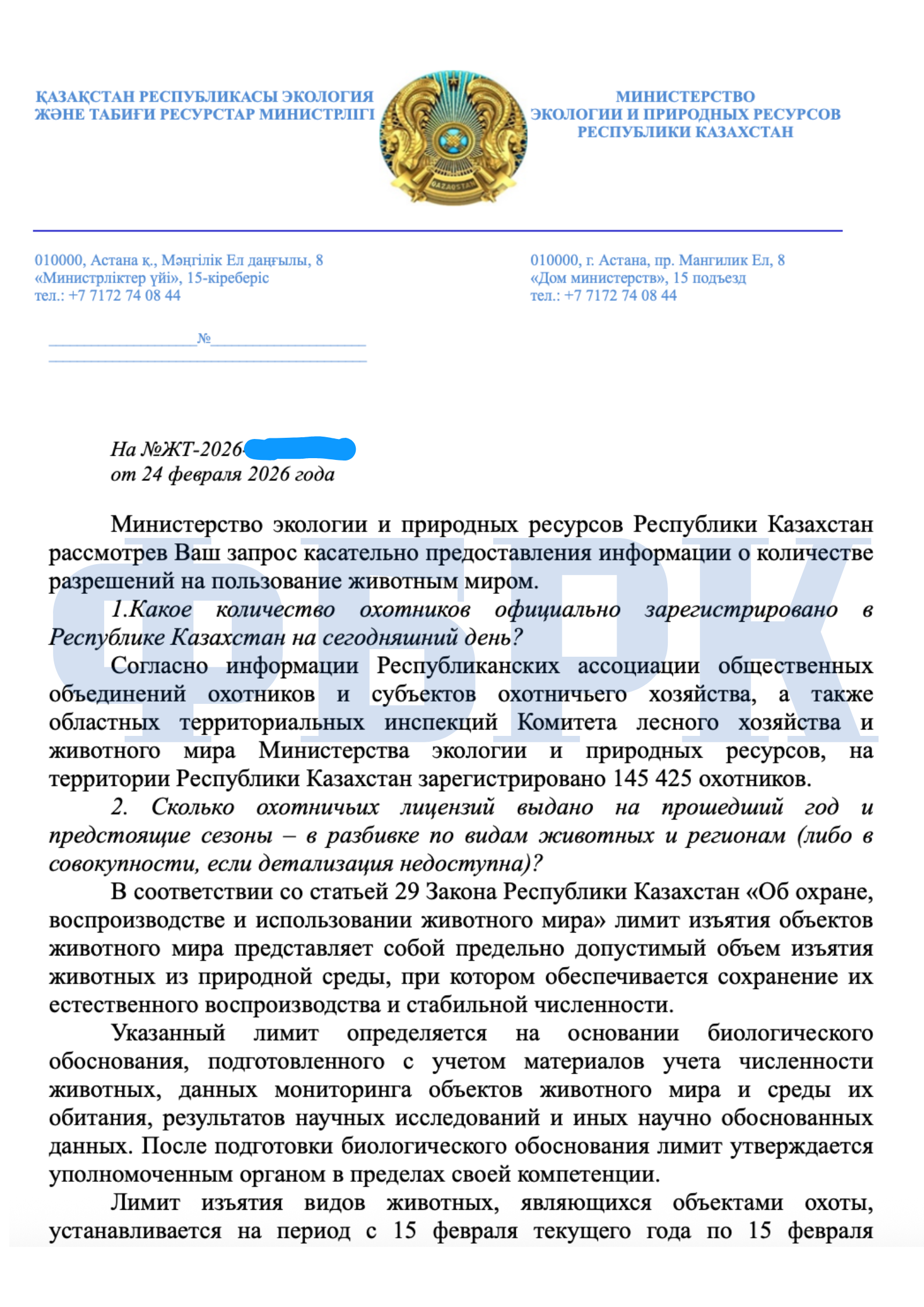
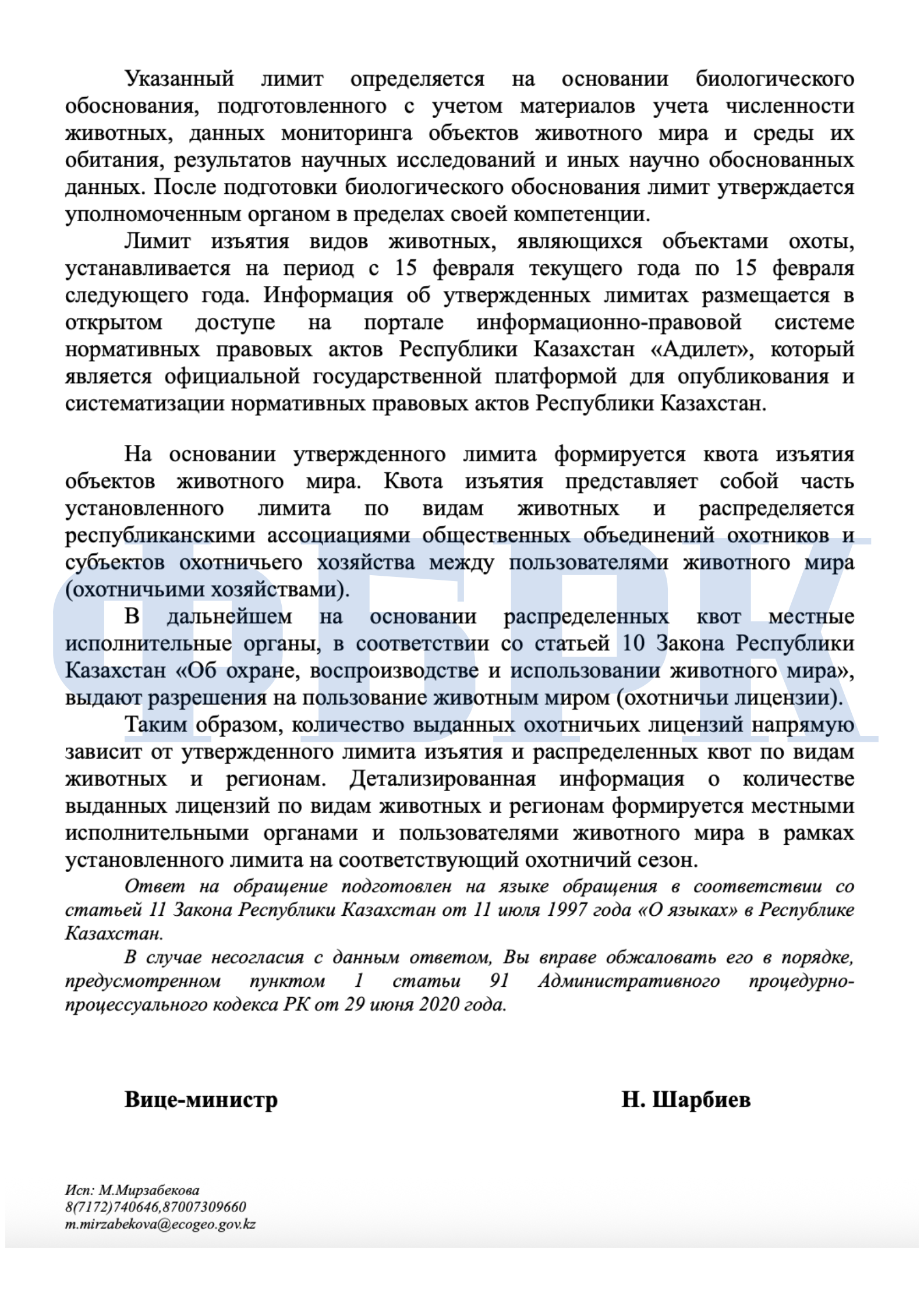
According to information from the ministry, 145,425 hunters are registered in Kazakhstan. So, if you divide the goose quota by the number of registered hunters, theoretically each one accounts for about 9 geese, and for ducks around 20.
Of course, this is a rough division. After all, not all hunters hunt waterfowl, and the limits go through hunting estates. That is precisely why the question about the number of licences actually issued was asked. However, the ministry chose to sidestep it.
Instead, we received a description of the procedure: the limit is approved, divided into quotas, quotas are distributed among estates, and estates receive licences. Detailed data, according to the response, are "compiled by local executive bodies". No specific figures — neither by species nor by region — are given in the reply.
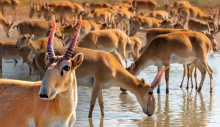
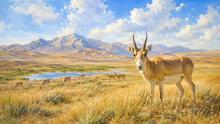
The quotas themselves, according to the Ministry of Ecology, are based on a biological rationale, prepared using monitoring and scientific data. A familiar story. And the biological rationale, as in the case of the saiga, probably has a 'For Official Use Only' classification?
WHAT NEXT
The Ministry of Ecology's response to the specific request about licences amounts to a description of the regulatory procedure. This is not a violation, but nor is it a substantive answer. Quotas are published; biological rationales are not. Statistics on issued permits also remain inside the system.
With limits that the professional community qualifies as excessive, such opacity makes it impossible to either verify the validity of decisions or assess their consequences.
Moreover, against the backdrop of questions about the methodology for calculating quotas, the lack of centralised statistics on issued permits looks like a significant gap — and, it seems, far from the first in the ministry's practice.