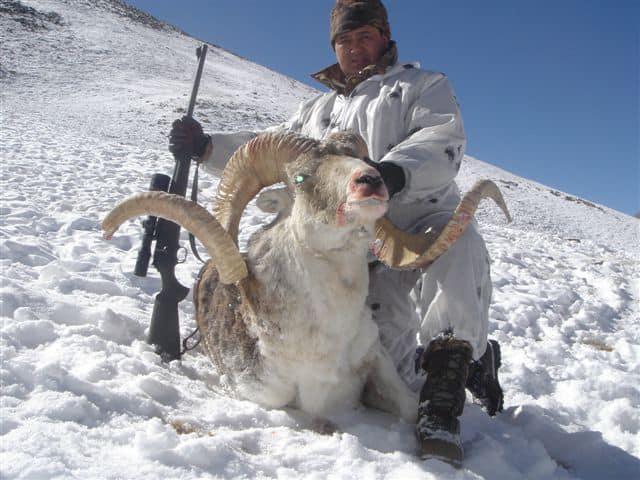
In December 2023, a document was put up for public discussion on approving a limit for the removal of species of animals that are objects of hunting for a period of one year. In other words, this document lists the representatives of fauna classified as objects of hunting, and also defines catch limits for each region.
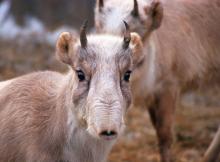
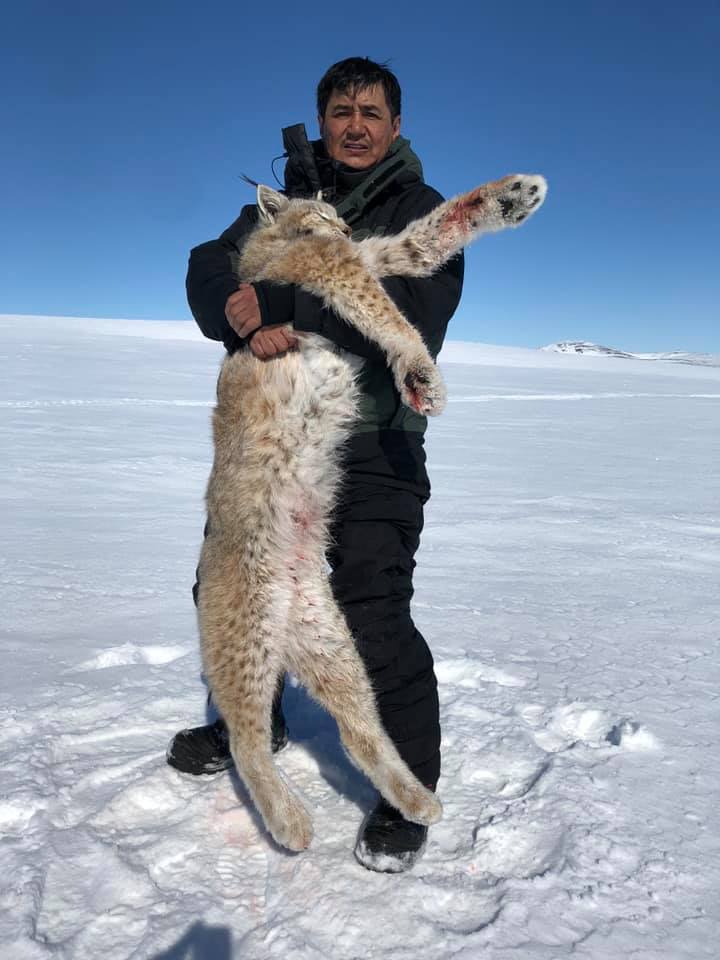
According to the presented document, within the overall limit, quotas for the scientific removal of wildlife objects are provided. Among such objects are saiga antelope (5510), raccoon dog (1994), brown bear (176), lynx (157), maral deer (1255), sable (1643), chukar partridge (76517) and many others.
One of the guarantors of the research approach was the RSE «Institute of Zoology». We hope that the result of such scientific removal does not soon turn into another scandal connected, say, with the speculation of saiga horns.
Earlier we already wrote about what an unskilled scientific approach can lead to, using the example of the «Saiga Conservation Strategy in Kazakhstan», which put forward a «biological justification» for the extermination of saiga antelopes.
There are also those who try to profit from the trapping of rare animal species. The notorious Batyr Seikenov, owner of hunting estates in the Kostanay region, is famous not only for his loud statements about nature protection, but also for numerous scandals.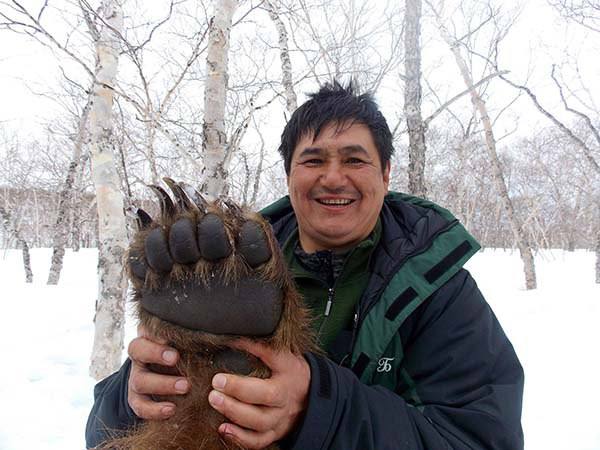
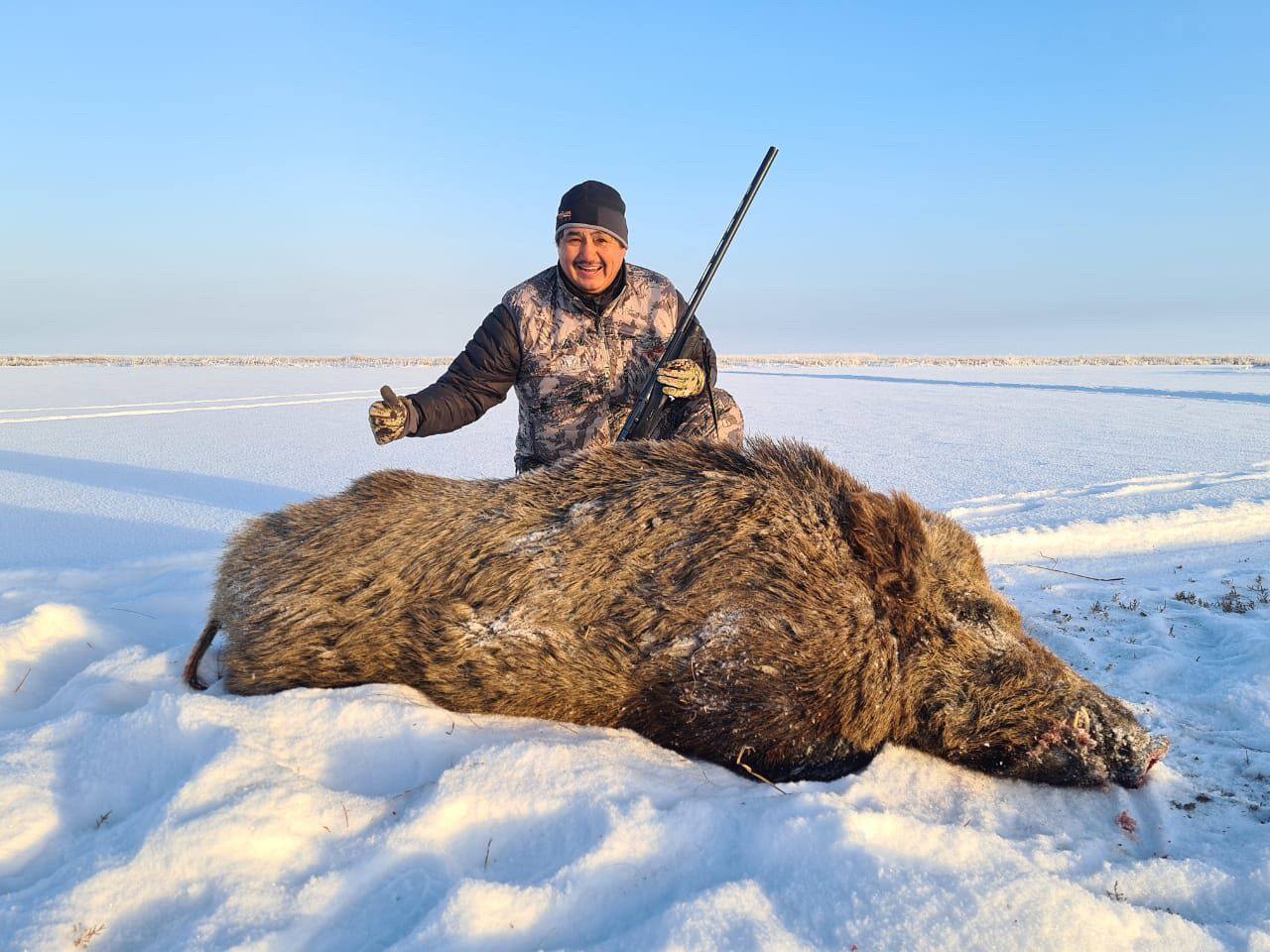
Thus, in 2021, Seikenov defended Kazakh citizens who killed a giraffe and a zebra in Africa for fun. Furthermore, he distinguished himself with a conflict with the Institute of Zoology of the Republic of Kazakhstan.
It is also known that, together with the West Kazakhstan Agrarian-Technical University named after Zhangir Khan and other biologists, with his active participation, a biological justification for managing the saiga population in Kazakhstan was developed.
He also advocated for the capture and export of live saiga to China, where the horns of the even-toed ungulates are in high demand. In short, Seikenov's track record is quite impressive.
Limits on the removal of exotic animals are necessary without any doubt, provided, of course, that the proposed limits have a proper scientific basis.
Then, procedures for controlling potential fraud, poaching and arbitrariness in general are exceptionally important.
After all, if today shooting is carried out based on inaccurate data, then tomorrow, likely, huge sums will be allocated to correct these mistakes.