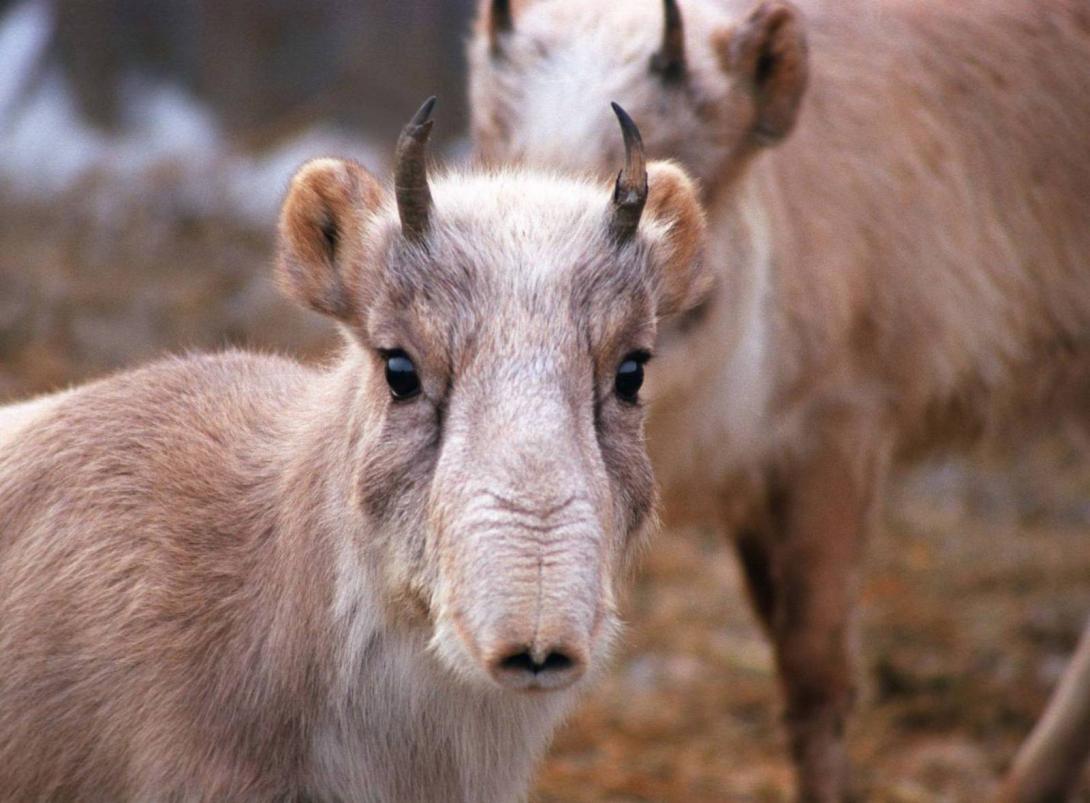
Ministry of Ecology and Natural Resources of the Republic of Kazakhstan responded to journalists' questions regarding the mass shooting of saiga antelopes. According to the ministry, during the so-called 'population management' of saiga antelopes since October 6 last year, RSE 'Okhotzooprom' 'removed' 43,503 saiga antelopes from the natural environment.
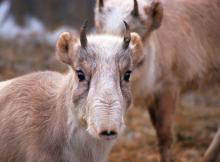
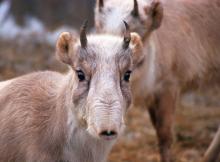
This, it should be recalled, involves the planned killing of animals that the International Union for Conservation of Nature (IUCN) classified as critically endangered back in 2002.
As reported by Ratel.kz citing the Ministry of Ecology, the steppe antelopes were shot in six regions of Kazakhstan. The highest number of saiga were destroyed in WKO - 27,000 head, of which 20,000 were shot and 7,000 were taken using the corral method (the saiga were herded into nets and slaughtered). According to the Ministry of Ecology's estimates, the current saiga population stands at around 2.6 million individuals.
'The scientifically justified optimal population size of the saiga, calculated based on the average winter forage yield, the daily feed requirements of the animals, and the duration of their stay on winter pastures, was determined for the 1970s-1980s across the entire territory of Kazakhstan at 800-900 thousand individuals. Currently, standards for the minimum sustainable saiga population have been set at 1 million head; once this threshold is reached, any removal must cease.', the Ministry of Ecology reported.
According to the ministry, 110 local residents were involved in the so-called 'removal' of saiga, who were paid between 7,354 tenge and 8,113 tenge per saiga carcass.
Considering these amounts and the 43,503 carcasses of dead saiga, it can be assumed that at least 319 million tenge of taxpayer money was spent on catching saiga. This does not take into account the purchase of corrals and motorcycles for driving the saiga.
At the same time, the Ministry of Ecology could not give an exact figure for the cost of organising the shooting, guarding warehouses containing horns, and transporting carcasses to meat processing plants. Incidentally, according to the ministry, initially 19 enterprises were involved in processing saiga meat, but in 2024, contracts were only signed with 12 enterprises.
It is reported that neither the Ministry of Ecology nor, for example, the akim of WKO Nariman Turegaliyev were able to answer where the saiga meat goes and where it is sold.
No one has been able to find meat from the steppe antelope, at least in WKO, where the most saiga were killed. According to journalists, the only place where saiga meat has been found is the Russian marketplace Ozon. There, the tinned food is sold by an organisation called 'Torgai Et', apparently based in Kostanay.
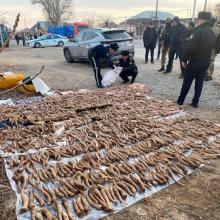
Answering a question about the horns, the Ministry of Ecology said they are stored in 'well-ventilated rooms equipped with alarms, under the supervision of security personnel'. The ministry also stated that 'all horns are marked and have an individual number'.
Currently, trade in saiga horns abroad is banned, as our country signed the Convention on International Trade in Endangered Species of Wild Fauna and Flora in its time. However, it has emerged that the Ministry of Ecology has held meetings with representatives of the Convention's secretariat to abolish the so-called 'zero quota' on international trade.
'From November 6 to 10, 2023, the 77th meeting of the Standing Committee of the Convention took place in Geneva, where representatives of Kazakhstan presented up-to-date information on the recovery of the saiga population, the start of measures to regulate the species' population size, and the intention to submit a request to lift the zero quota on international trade in saiga horns. In 2024, documents necessary for exemption from the zero quota for the commercial sale of saiga derivatives will be prepared and submitted for consideration to the Convention Secretariat.', the Ministry of Ecology reported.