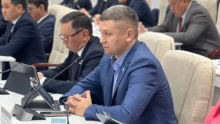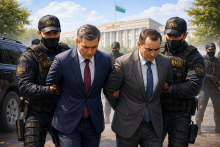
A letter from residents of the Katon-Karagay district of the East Kazakhstan region (EKR) is circulating on social media, unfolding a story more akin to the plot of a satirical TV series. A district maslikhat deputy from the AMANAT party, Dauren Kalibekov, elected to represent the interests of voters, has found himself at the centre of a scandal involving multi-million tenge debt.
According to the published collective letter, the debt amounts to more than 127 million tenge. By way of comparison, this is equivalent to the annual budget of a small rural district or the salaries of several dozen teachers. However, Deputy Kalibekov seemingly does not consider this sum to be particularly serious.
The story began in December 2020, when creditors first filed a lawsuit over the debt. According to the authors of the letter, Kalibekov, as the head of a company, borrowed a large sum after gaining the trust of business partners. In March 2021, the parties reached a settlement agreement: to repay the funds by 1 August 2023. The deadline passed, the money was not returned, but something valuable did appear — a deputy's mandate.
On 26 March 2023, with a court order for debt recovery already hanging over him, Kalibekov was elected as a deputy. A coincidence? Who knows. The authors of the letter suspect that the settlement agreement was not made for honest repayment, but to remove legal obstacles to participating in the elections. And once he obtained the mandate, the people's elected representative abruptly lost interest in complying with court decisions.
Kalibekov is now allegedly on the list of wilful defaulters, subject to a travel ban, and his property has been seized. But his deputy status has become a safety cushion. And while other citizens queue for social benefits, this elected representative ignores financial obligations amounting to 127 million tenge.
But the debts are far from the whole story. According to the letter, Kalibekov received agricultural land plots from his father, but allegedly illegally changed the land's status to allow for a holiday centre. State bodies challenged the decision in court and won. The court ordered the original status to be restored. However, the authors of the letter claim that the deputy refused to comply and continues to use the land commercially.
And while court rulings hang over the deputy, the maslikhat continues to approve the district budget, monitor its execution, protect citizens' rights, and Kalibekov participates in all these decisions.
So, how did such a candidate pass the vetting process and end up in a representative body? Did no one check whether he met the criteria of integrity? Or were checks carried out, but the results suited someone?
The authors of the letter demand a response from the regional akimat, the prosecutor's office, the agency for civil service affairs, and the maslikhat itself. After all, if a deputy can ignore court rulings with impunity, fail to repay millions in debts, and violate land legislation, then what stops ordinary citizens from doing the same? Or is there one law for them, and another for the elected?
The AMANAT party, on whose behalf Kalibekov received his mandate, has so far remained silent. Yet it is the parties that bear responsibility for those they promote to positions of power.
For now, it is difficult to say definitively who is right and who is wrong — that would require a thorough investigation of all the circumstances of the case. But one thing is clear: when a maslikhat deputy finds themselves at the centre of a scandal involving multi-million tenge debts and court proceedings, it is no longer a private conflict but a matter of trust in the authorities.
As usual, the story will sort itself out, and the editorial board of FBRK will be closely watching developments.
To be continued...