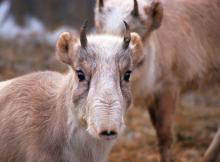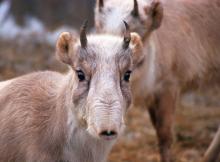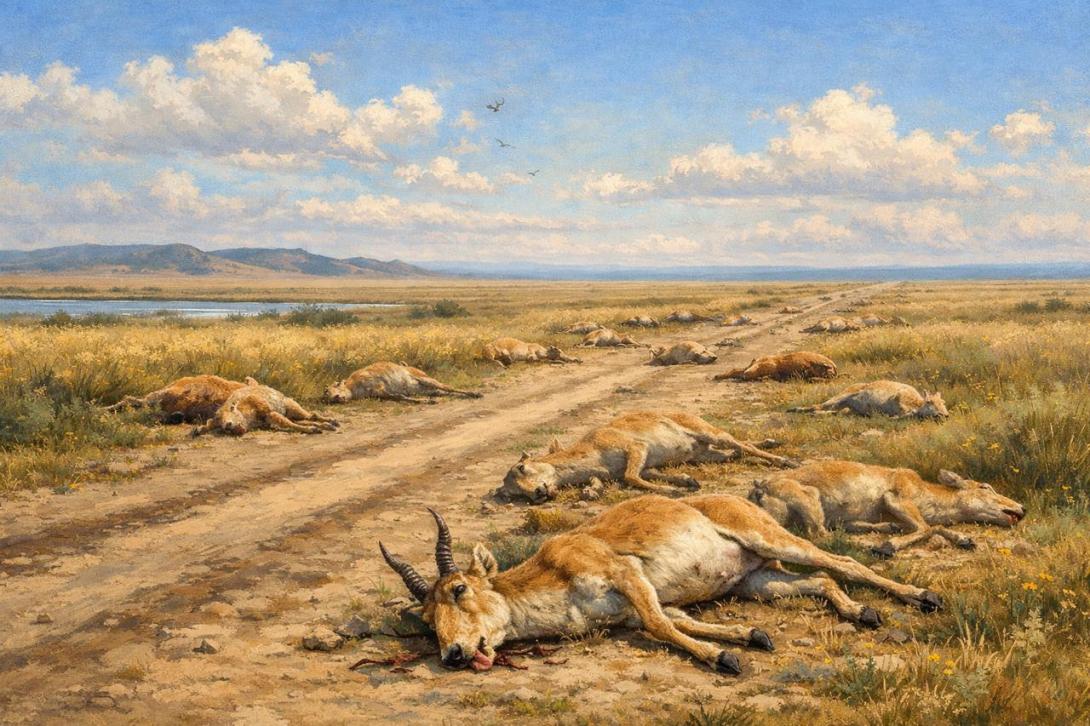
Dozens of dead saiga antelopes on a 40-kilometre stretch of steppe road between the villages of Toparkol and Amantau — that is how the Sunday outing on 21 June will be remembered by the team of “Avalon”. This discovery fits all too well into the picture that the authorities call a “natural process”, while simultaneously preparing a new mass culling of animals.
WHAT DOES “AVALON” REPORT
The team of the “Avalon” Historical and Geographical Society on 21 June travelled on a route through Sonaly, Lake Alakol and the village of Toparkol to Amantau in the Karaganda Region. On the stretch between Toparkol and Amantau (which is less than 40 kilometres), the travellers counted about a hundred carcasses of saiga antelopes directly on the road or near it. The team notes that previously they had only heard about the mass die-off of saiga, and now they saw it with their own eyes. 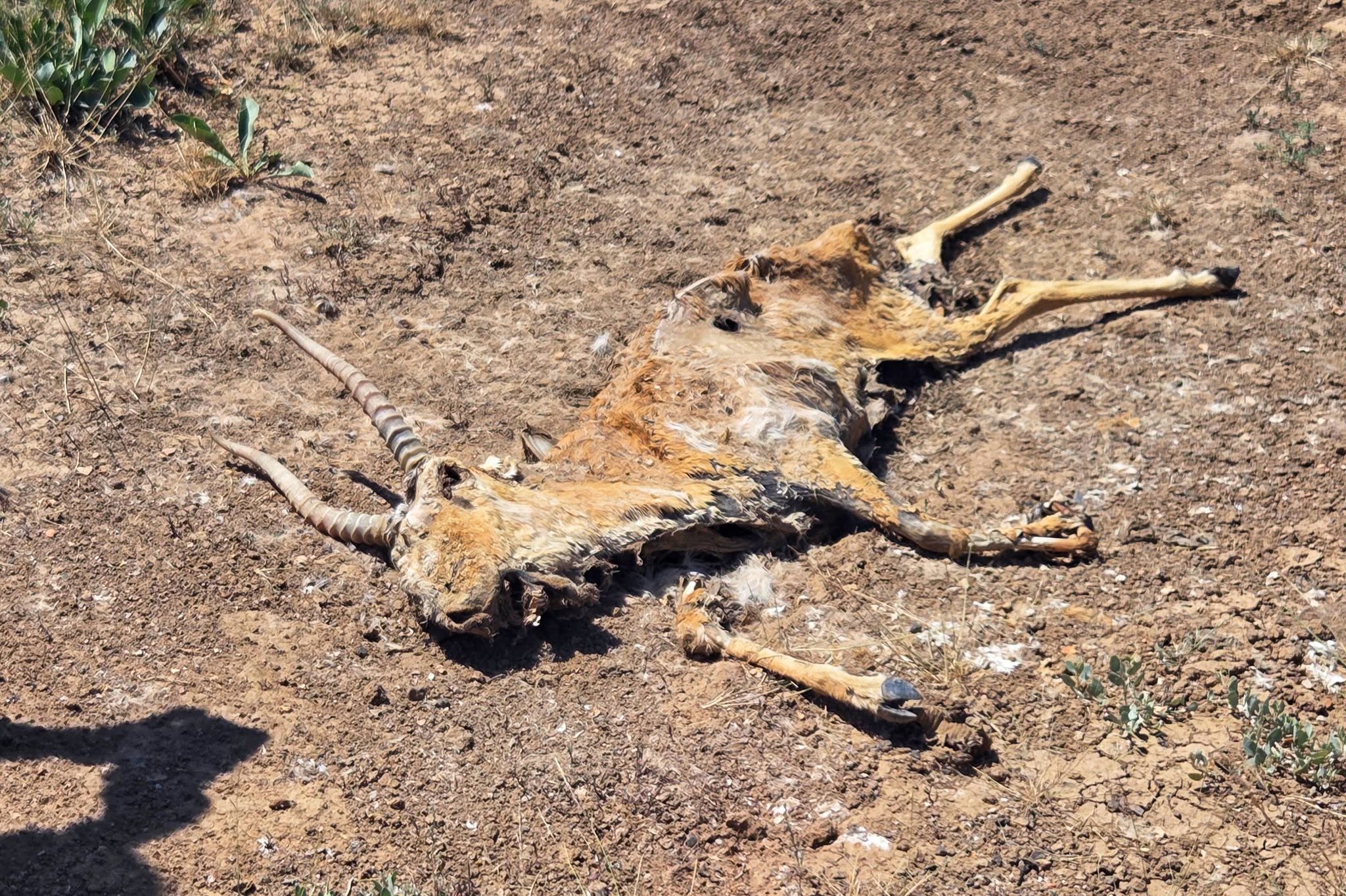
THE NUMBER THAT DOES NOT CHANGE
Recently, the editorial board of FBRK reported that the so-called regulation of the saiga population could resume in 2026. The figure of 5 million individuals, announced by the Ministry of Ecology, quickly spread through the media. True, the fact that this number is by no means new has somehow not bothered anyone.
Back in May 2025, the Vice-Minister of Ecology Nurken Sharbiyev cited the expected saiga population as 5 million individuals. And now, more than a year has passed, but the figure has somehow remained the same.
But what has happened to the natural factors that inevitably affect any population? What about poaching? What about the ongoing mass die-off of saiga? What about the unknown disease that, according to reports from the regions, continues to affect animals? Finally, how are the testimonies of specialists and ordinary people, who regularly find dead saiga along roads and in the steppe, taken into account?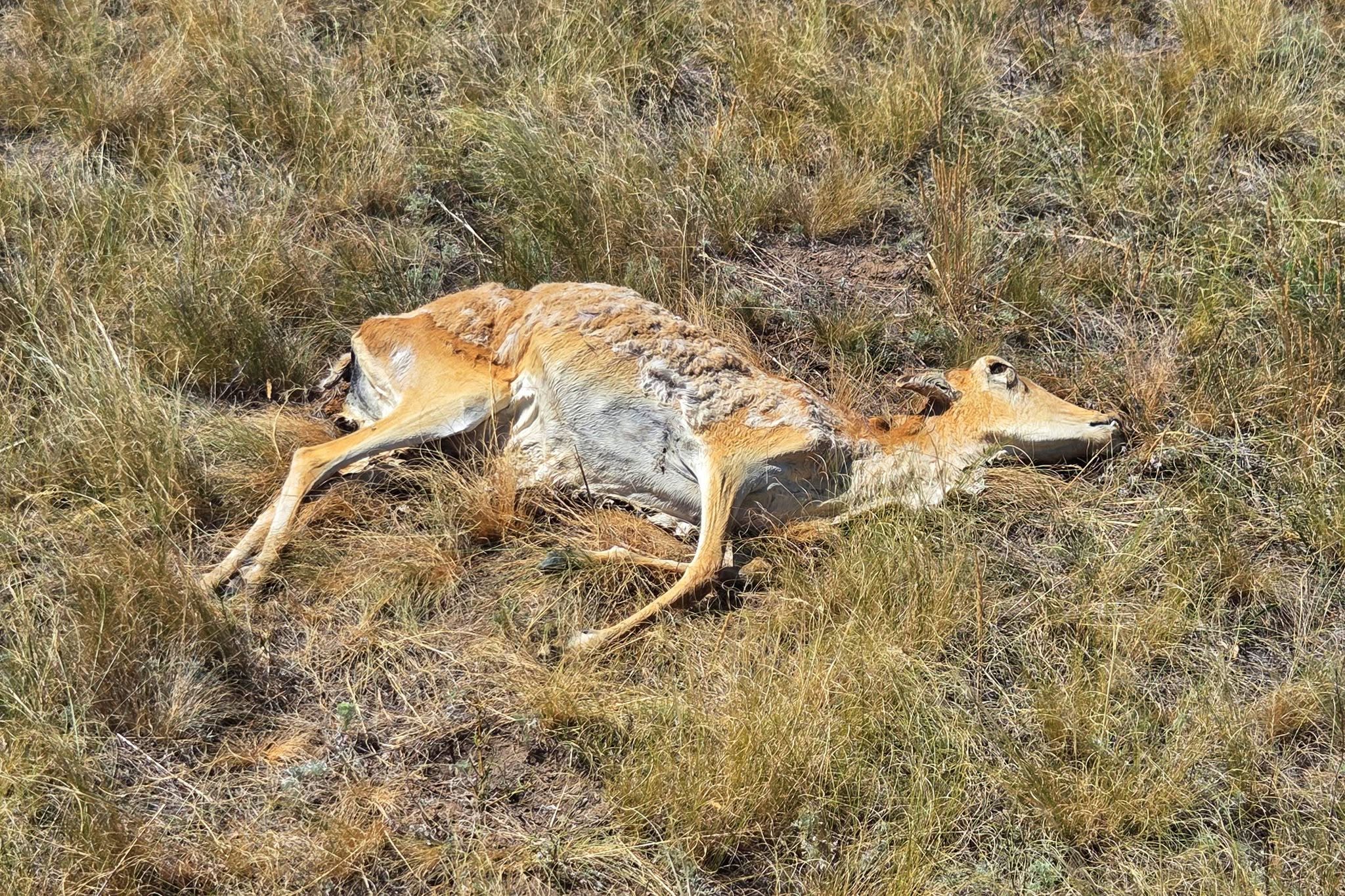
All of this aligns poorly not only with official statements that animal carcasses are promptly disposed of, but also with the basic logic of population counting. After all, if official data are to be believed, the saiga population remains unchanged despite diseases, die-offs, poaching, and other natural losses.
Or have saiga suddenly stopped dying?
WHERE DOES NATURAL MORTALITY DISAPPEAR
At the same time, according to the Ministry of Ecology, recorded across the country is a die-off of about 26 thousand saiga with a population of around 4 million individuals before calving. The animal deaths are called seasonal and “natural”. But if mortality is written off, and the population figure does not change, the question arises: where do the potential thousands of dead animals disappear to in the calculations for the cull?
The attentive reader will recall that saiga were previously blamed for the conflict with farmers: the animals allegedly trample fields. But today in the West Kazakhstan Region (WKR), farmers seem busy not with saiga at all, but with a livestock epizootic that continues to kill. The argument about conflict with farms has noticeably weakened this year. But do not worry, permission for the export of saiga horns under CITES has long been prepared. And the closer the prospect of export, the more the question about the very reasons for the culling of animals fades into the background.
Photo: IGO AVALON - AVALON HGS