(19 February 2026 | Source: court press service)
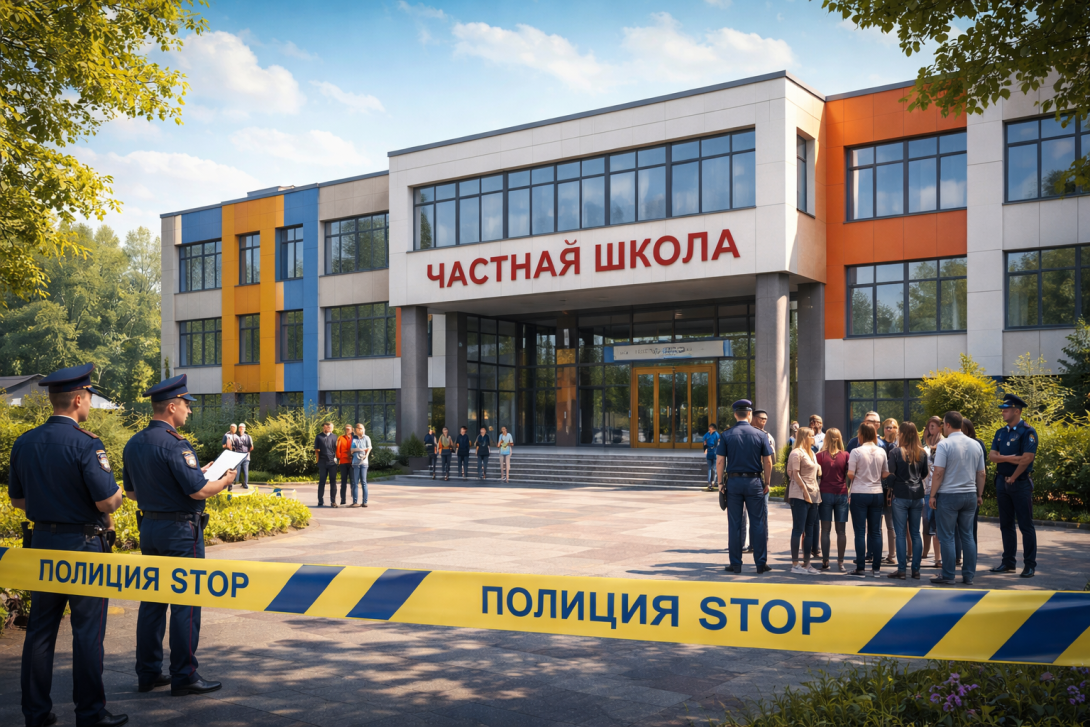
In the Karaganda Region, a court has ordered the liquidation of a private school that began the academic process without a licence. At the time the case was heard, pupils were being taught at the school and staff members were employed, but no permission for educational activities had been obtained.
HOW THE SITUATION DEVELOPED
The school was registered on 13 May 2025 with the main type of activity being 'general secondary education'. As early as 2 September 2025, the institution began the academic process and continued to operate without the appropriate licence.
Previously, the company had been held administratively liable under Part 1 of Article 463 of the Code of Administrative Offences (CAO RK) for carrying out activities without a licence. The imposed fine was paid in full.
After being held administratively liable, the school continued to operate.
THE SCHOOL'S POSITION
Representatives of the LLP did not admit the claim. According to them, the organisation was created to implement a project for a specialised school with 280 places, and the building was constructed using private investment.
Currently, the school has 166 pupils, including children from large and single-parent families. The staff consists of 35 employees.
The company's representatives also stated that the documentation package for obtaining a licence was 'more than 90%' ready, and an application submitted on 3 February 2026 was under consideration. The review period is 30 working days.
They claimed that no complaints had been received from parents and that the quality of education had not deteriorated.
WHY THE COURT DECIDED ON LIQUIDATION
The court established that the authorised body had previously twice refused to issue a licence to the LLP. These decisions were not appealed.
The ruling noted that a licence confirms the organisation's right to teach children, guarantees compliance with state educational standards, and ensures the availability of qualified teachers, textbooks, and a safe infrastructure.
Furthermore, only licensed schools have the right to issue state-recognised certificates.
The court deemed arguments that the lack of a licence did not affect the quality of education to be unfounded.
Guided by Paragraph 2-1 of Article 40 of the Law of the Republic of Kazakhstan 'On Education', the court granted the claim for the liquidation of the legal entity.
The court's decision has not yet entered into legal force.