In Uzbekistan, an investigation has begun into reports of a possible leak of citizens' personal data linked to the SAFE Service platform. Claims that personal information is available are circulating on social media and Telegram. The leak has not yet been officially confirmed.
WHO IS CONDUCTING THE INVESTIGATION
According to Gazeta.uz, the investigation is being conducted jointly by staff of the state institution the "Cybersecurity Centre" under the State Security Service of Uzbekistan, the Ministry of Internal Affairs (MIA) and the company AUTODOC.
Specialists are establishing the reliability of the published reports, ascertaining the origin of the circulating information and the circumstances of its appearance. They are separately checking whether the personal data could have entered the public domain from SAFE Service or from other information systems and electronic platforms.
WHAT DATA COULD HAVE ENTERED THE PUBLIC DOMAIN
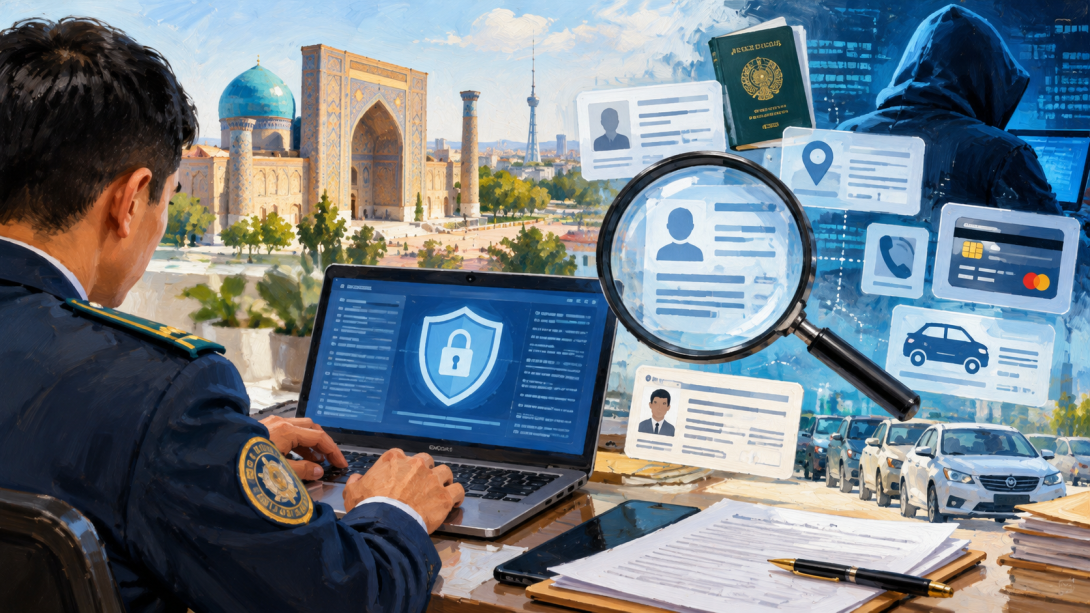
According to reports circulating on social media, information that may relate to citizens' personal data is being found in Telegram bots. Among the categories mentioned are the personal identification number of an individual (PINFL), passport data, residential addresses, telephone numbers, and information about registered vehicles and driving licences.
Some users also claim that information is available about bank cards linked to apps and the devices from which accounts were logged into.
HOW SAFE SERVICE AND AUTODOC ARE CONNECTED
SAFE Service is a platform that previously operated under the name Safe Road. It was developed and is maintained by the company AUTODOC.
Specialists are currently checking not only the platform's possible involvement in the dissemination of personal data, but also other information systems that may be connected to the published information.
CONTEXT
In September 2026, the hacker group DATASUCKERS announced an attack on Dodo Pizza and the obtaining of data on millions of customers, including from Kazakhstan. According to the hackers, this concerned approximately 68 million people worldwide, including 6.7 million Kazakhstanis. The company did not confirm these figures.
FBRK contacted members of the group and found out how they select targets, to whom they sell stolen databases and why Kazakhstan is not currently of particular interest to them.
What happens to personal data after a hack? Why do hackers claim they do not support fraud but themselves sell other people's information? What do they know about a possible hack of eGov and who is behind the group itself?
- Read the details of the interview on the FBRK website.
- Watch the full analysis on YouTube.