Kurultai deputy Ruslan Idrisov proposed expanding state support for small grocery shops in Kazakhstan. In his opinion, the current system of benefits for large retail chains does not take into account the interests of rural residents and small businesses.
WHY THE DEPUTY SPOKE OUT IN FAVOUR OF SUPPORTING SMALL SHOPS
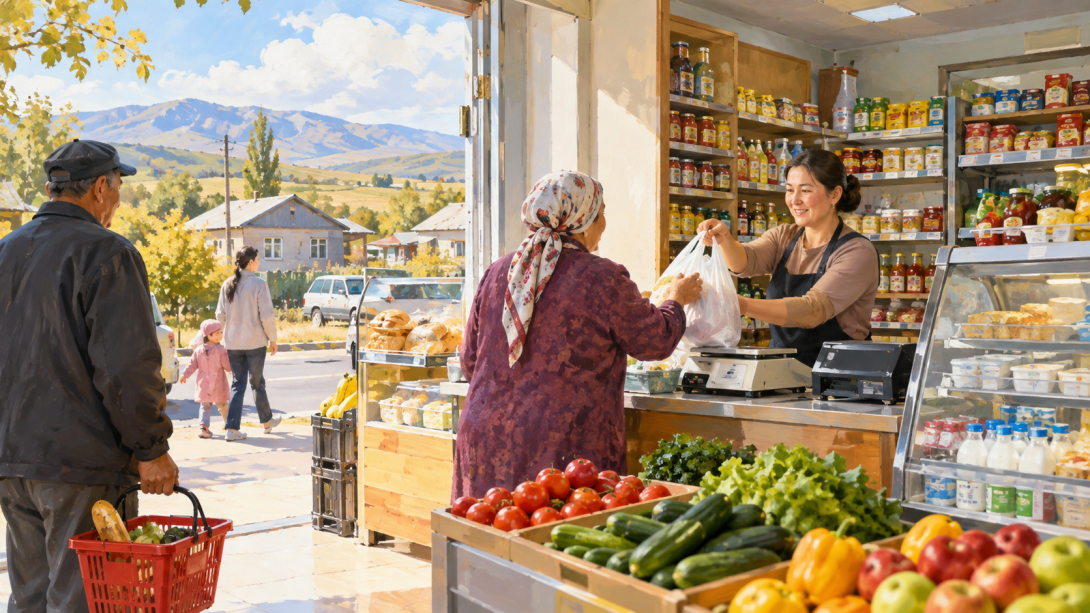
Ruslan Idrisov stated that the concentration of state assistance on large retail chains creates a geographical imbalance. According to him, 7.5 million people, or about 40% of Kazakhstan's population, live in rural areas, while around 40,000 "corner shop"-format stores operate in villages and small towns.
The deputy noted that small retail outlets provide the population with food, including during emergencies and the pandemic. At the same time, in his opinion, the current support mechanisms do not provide small shops with equal access to preferential financing.
WHAT PROBLEMS SMALL RETAIL BUSINESSES FACE
In a parliamentary request to Deputy Prime Minister — Minister of National Economy Serik Zhumangarin, Idrisov cited data on the financial burden on small shops.
According to him, rural entrepreneurs often sell food to customers on credit. The volume of such debt in some cases can exceed 50% of a shop's working capital.
An additional burden is created by expensive loans. As stated in the request, commercial loans for small retail outlets can cost 45–48% per annum. At the same time, distributors often demand full prepayment for supplies.
The deputy also drew attention to tax and administrative costs. According to estimates cited in the request, mandatory payments can amount to 30–40% of a shop's operating profit.
WHAT MEASURES RESPUBLICA PROPOSED
In its address to the government, the Respublica faction proposed four measures to support small grocery shops. In particular, the deputies advocated reducing the tax rate to 2% for small food retail nationwide, as well as expanding programmes of preferential working capital financing on condition that products from domestic manufacturers are purchased.
In addition, the faction proposed temporarily suspending fines for small shops for exceeding trade markups until they are granted access to preferential wholesale purchases of socially significant products. Another initiative provides for limiting the bank commission for accepting cashless payments (acquiring) to 0.5% when selling socially significant and other staple food products.
WHAT IS KNOWN ABOUT THE CURRENT STATE SUPPORT MEASURES
In 2025, 458 projects received subsidies for a total of 67.5 billion tenge. For 2026, 10 billion tenge is envisaged, of which 6.4 billion tenge is intended for new projects.
In addition, a mechanism is in place to fix prices for 31 types of socially significant food products.
According to Idrisov, when distributing state assistance, it is necessary to take into account not only large retail chains, but also small shops serving the population of rural areas.
CONTEXT
In May, Minister of Trade and Integration Arman Shakkaliyev commented on remarks by Russian journalists about the cost of goods in Kazakhstan.
According to him, a significant share of purchases in Kazakhstan takes place at markets, wholesale outlets and corner shops. He noted that residents regularly use convenience stores for everyday purchases, but often make their main purchases at markets and trading venues, which allows them to buy goods at more affordable prices compared with the premium segment.