Minister of Trade and Integration Arman Shakkaliev has commented on remarks made by Russian journalists regarding the cost of goods in Kazakhstan. According to him, when comparing prices between Kazakhstan and Russia, it is necessary to take into account differences in trade structure and the locations where purchases are made.
WHY THE QUESTION OF PRICES AROSE
Russian journalists noted during a visit to Kazakhstan that some goods cost the same as in Russia, while certain items turned out to be even more expensive.
Arman Shakkaliev explained that comparing prices requires consideration of the features of the trade infrastructure. He noted that Moscow has a greater variety of retail formats — from economy-segment stores to premium retail chains.
HOW TRADE IS STRUCTURED IN KAZAKHSTAN
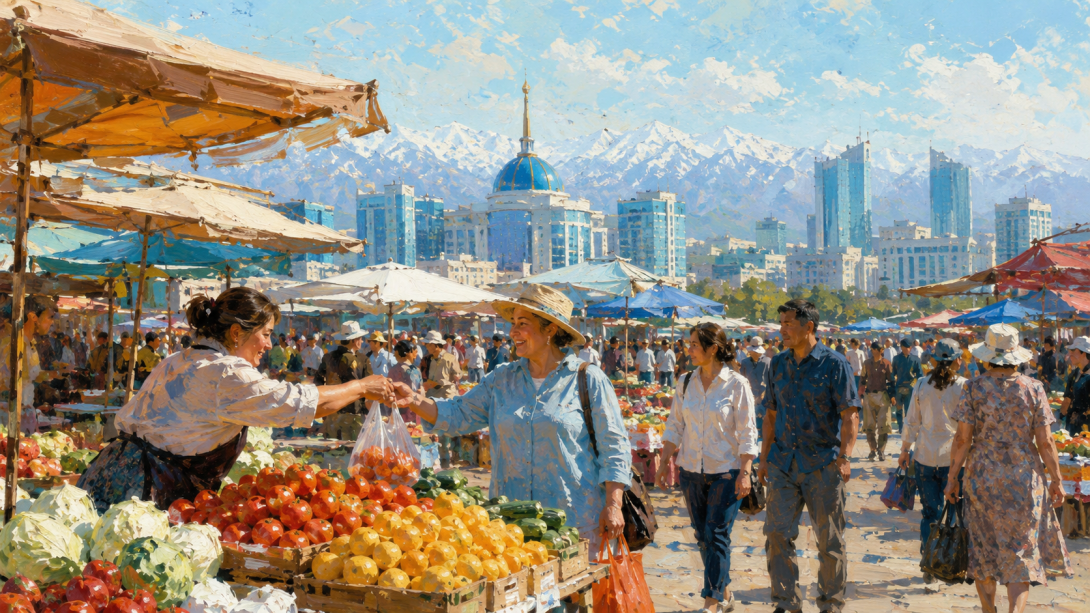
According to the head of the ministry, a significant portion of purchases in Kazakhstan are made at markets, wholesale outlets, and local convenience stores.
He noted that residents regularly use neighbourhood shops for everyday purchases, but major shopping is often done at markets and trading platforms, including the Sauran and Shanghai markets, as well as the Álem and Eurasia shopping complexes.
In the minister's view, it is precisely these types of retail formats that allow goods to be purchased at more affordable prices compared to the premium segment.
WHY VISITORS MAY HAVE FORMED A DIFFERENT IMPRESSION
Arman Shakkaliev suggested that the Russian journalists might have been looking at prices in locations near expensive hotels, as well as at premium-segment goods.
At the same time, the minister stated that many foreign visitors to Kazakhstan buy products at markets and trading platforms, including dried fruits, nuts, and other items.
CONTEXT
Earlier, First Vice-Minister of National Economy Azamat Amrin stated that comparing the share of spending on food in Kazakhstan and developed countries is incorrect without taking consumption structure into account.
According to him, residents of Kazakhstan more often buy groceries and cook at home, whereas in developed countries a significant portion of food expenditure relates to the service sector — restaurants, cafes, and breakfasts eaten out.
Furthermore, Azamat Amrin noted a reduction in the cost of some socially significant goods and recommended that citizens, where possible, buy products directly from agricultural producers to cut costs.