The FBKK, together with the Association of Legal Entities (ALE) "Euro-Asian Association 'Green Economy'", has identified instances of what is believed to be the illegal burning of medical waste in Astana.
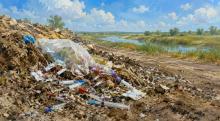
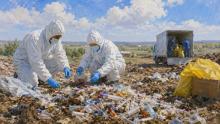
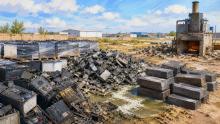
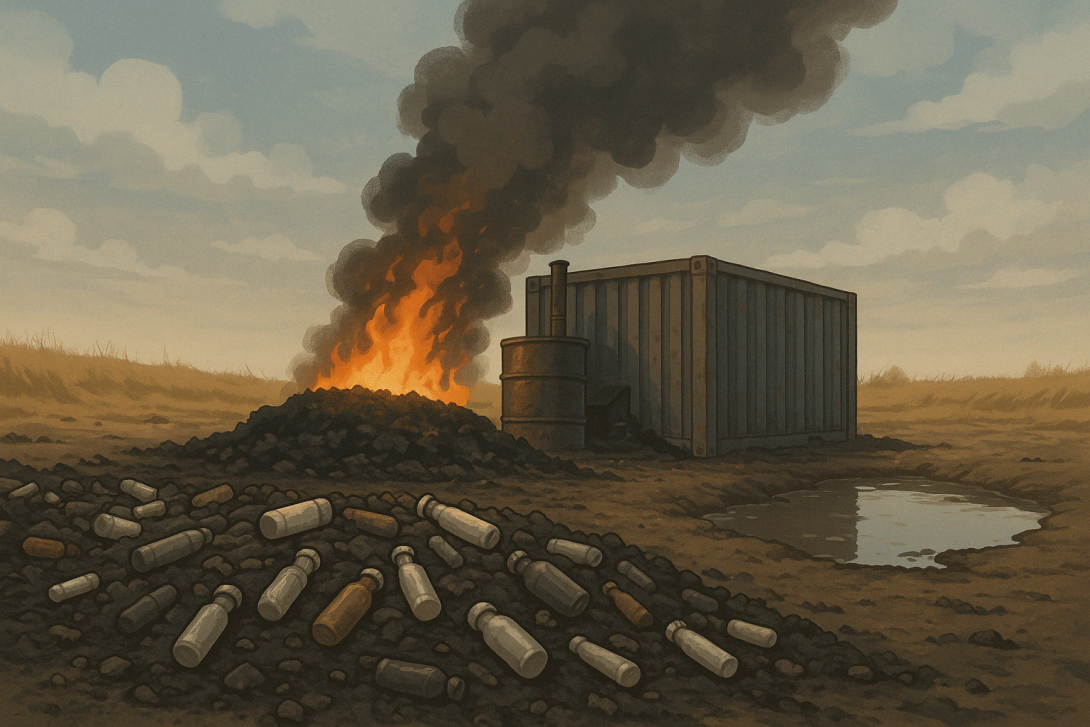
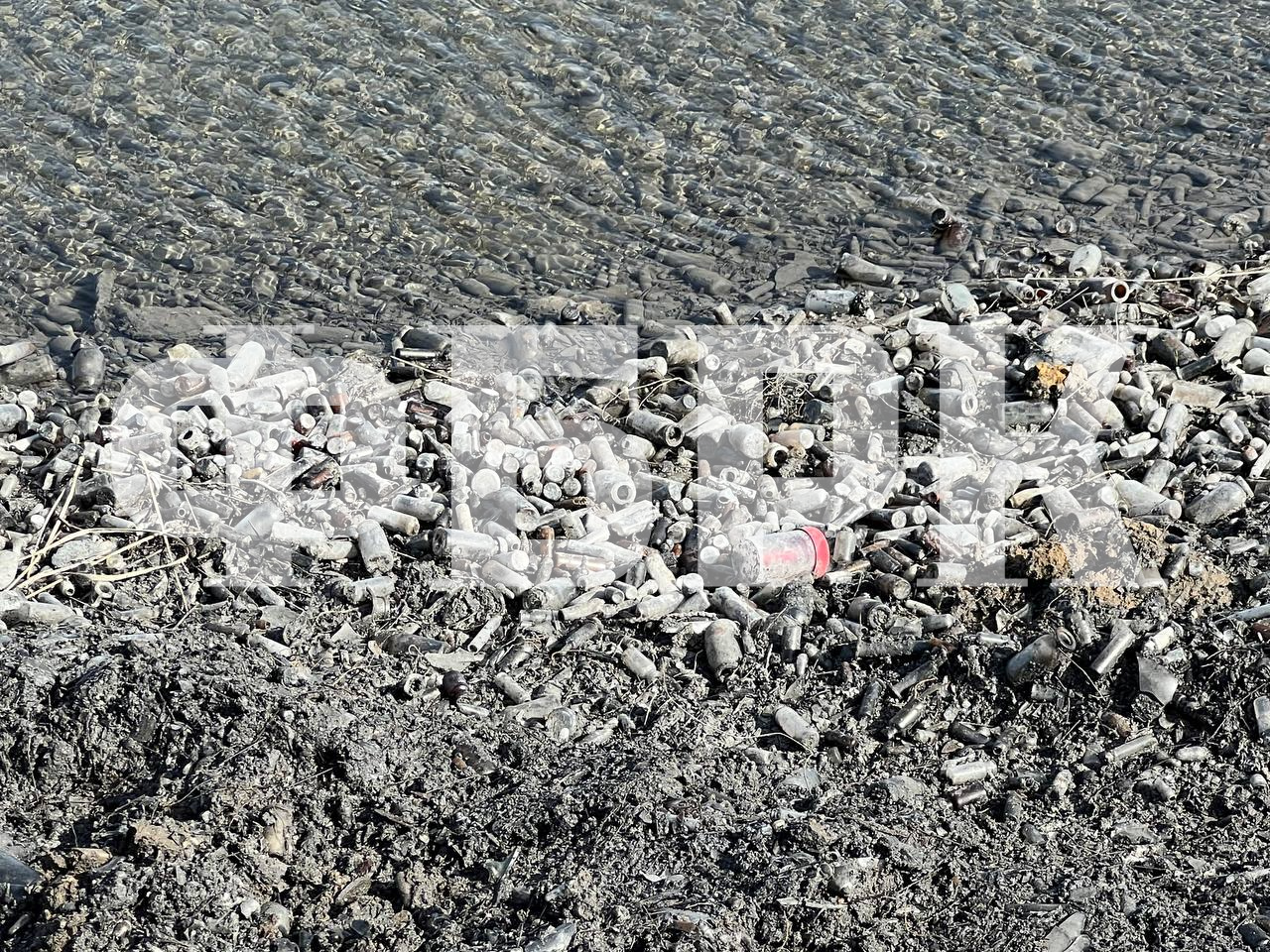
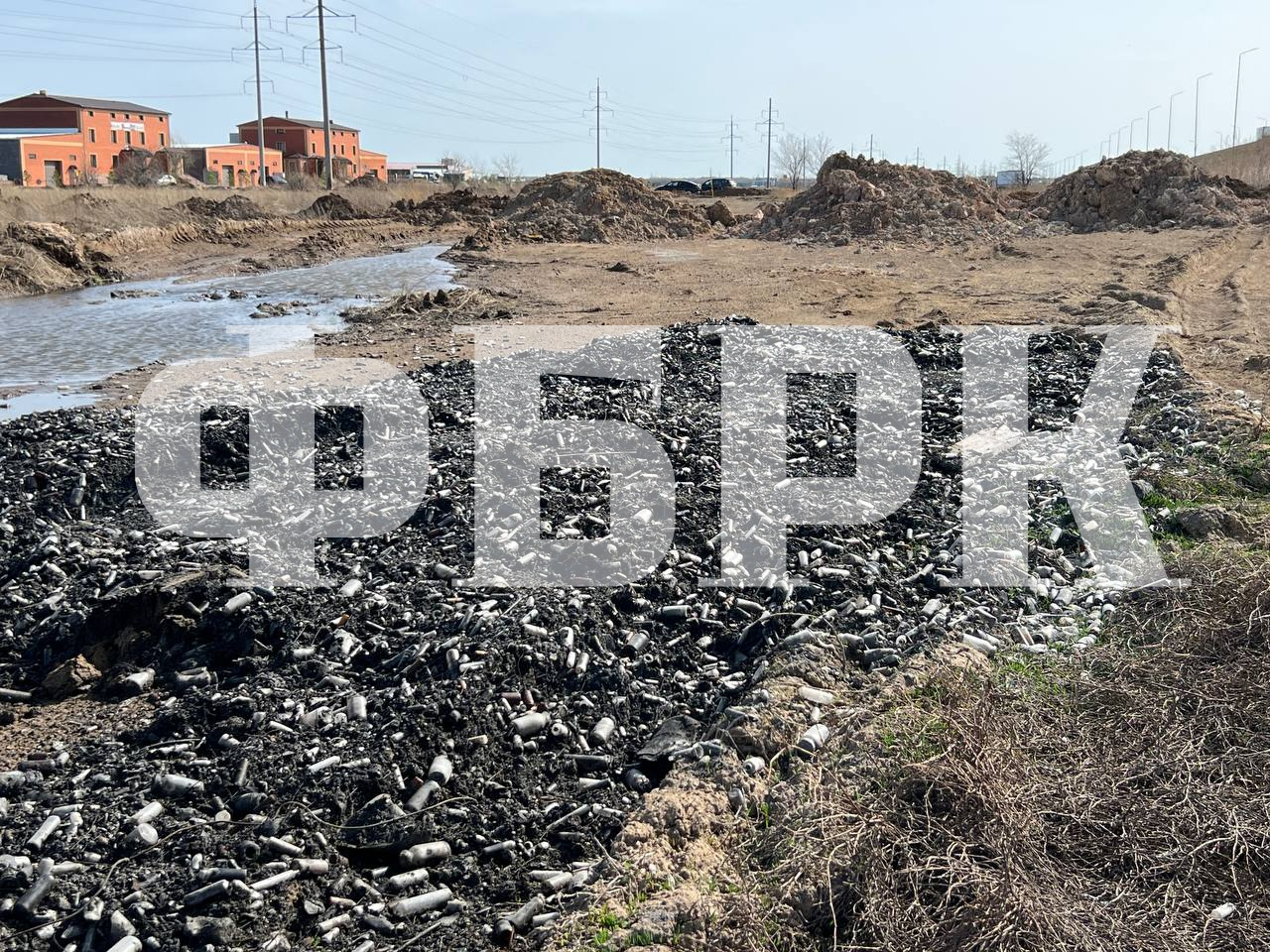
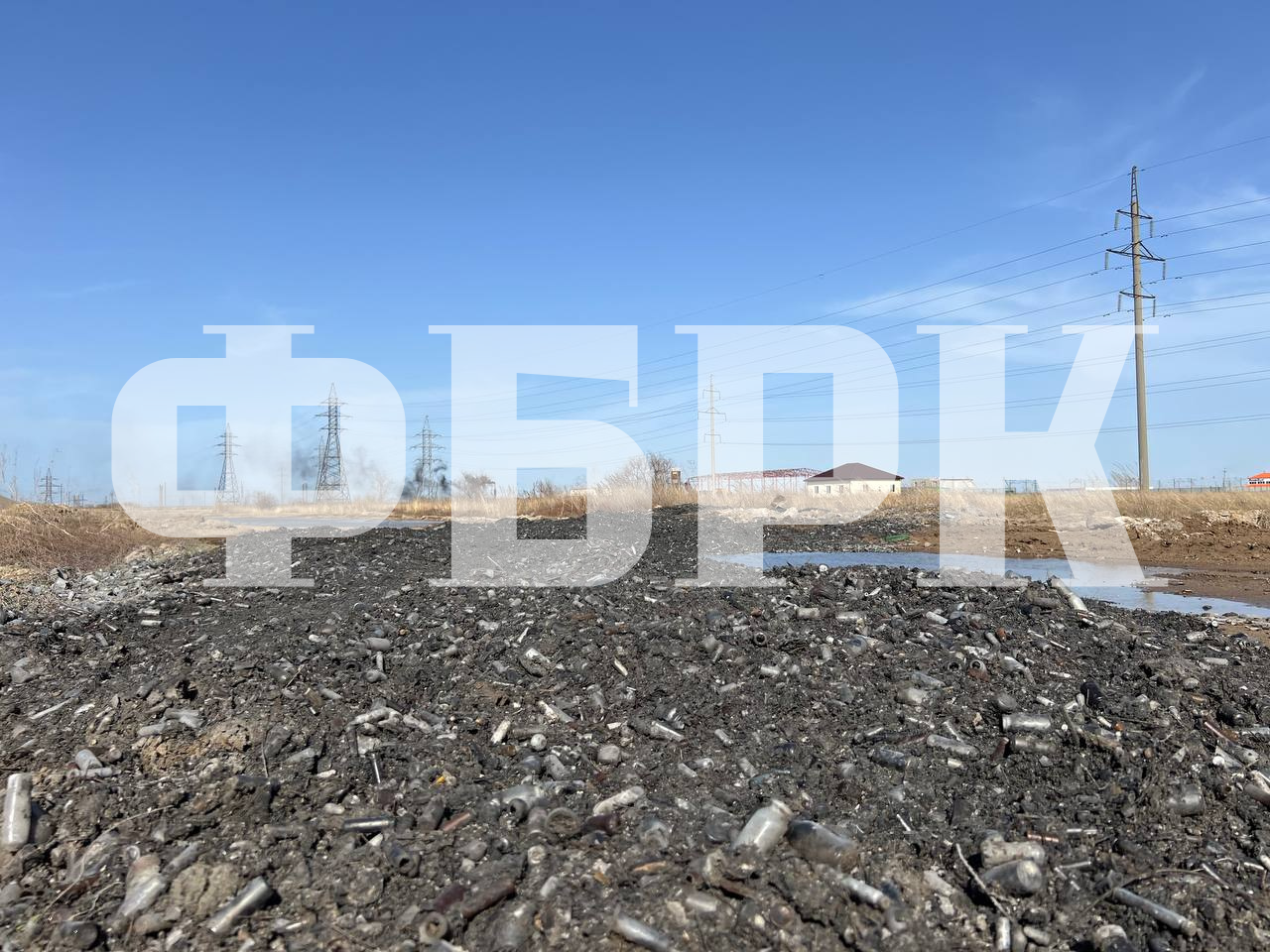
Footage from a drone and photographs obtained during the investigation show the process of burning hazardous waste in a makeshift furnace installed inside a shipping container, accompanied by the release of dense black smoke and a characteristic chemical smell. An unauthorised dump of medical materials, posing a potential biological and environmental hazard, was discovered near the burning site.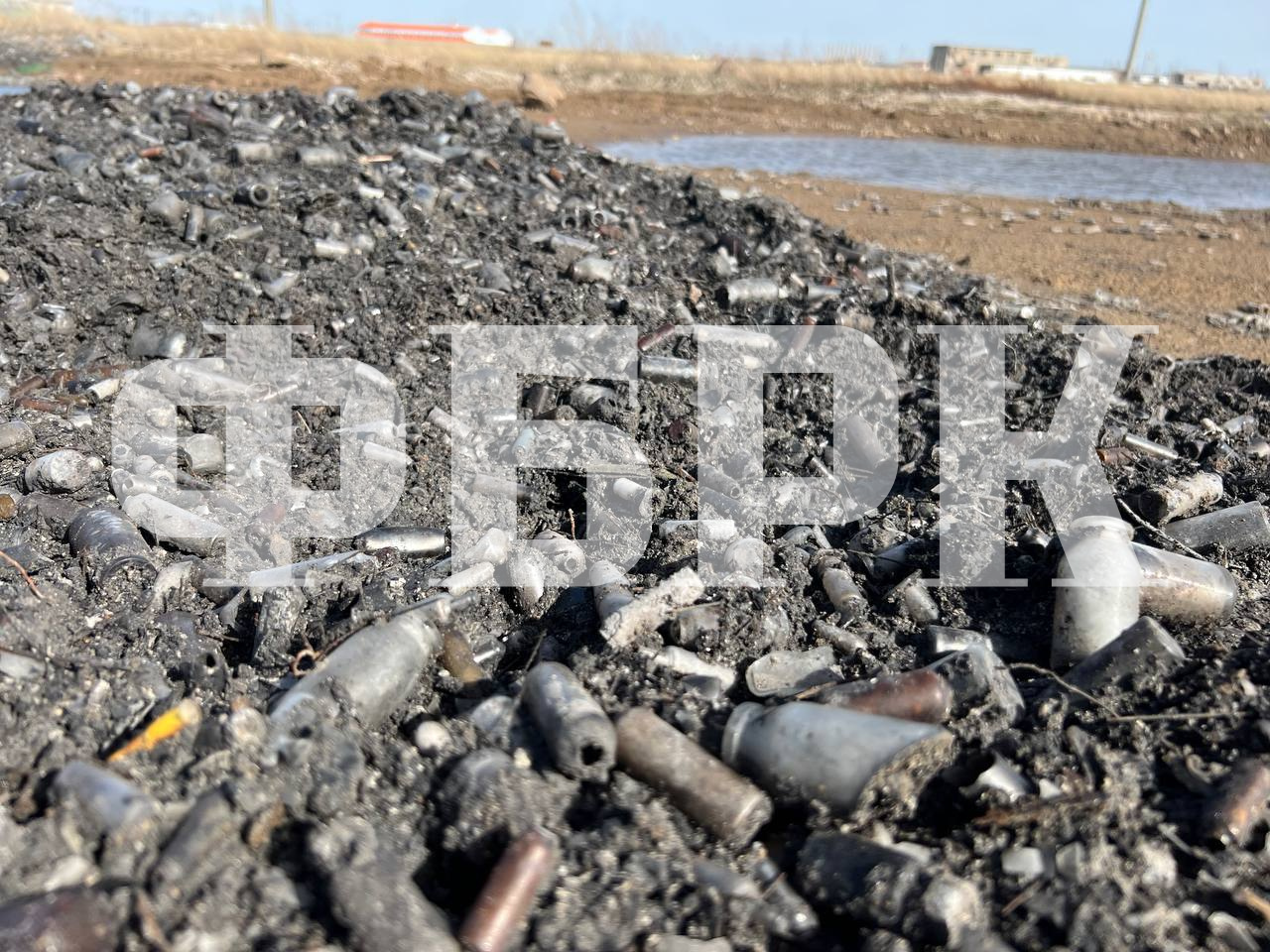
INVESTIGATION DETAILS
According to the video material, the waste disposal process takes place on a plot of land located in the "Saryarka" district of Astana. The footage shows an unidentified man observing the burning process from a "Gazelle" van.
Of particular concern is the disposal method. The burning is carried out in a crudely fitted metal furnace with a makeshift chimney, installed inside a 20-tonne shipping container. The site is not equipped with filtration systems or safe thermal treatment technologies, posing a direct threat to the environment and the health of local residents.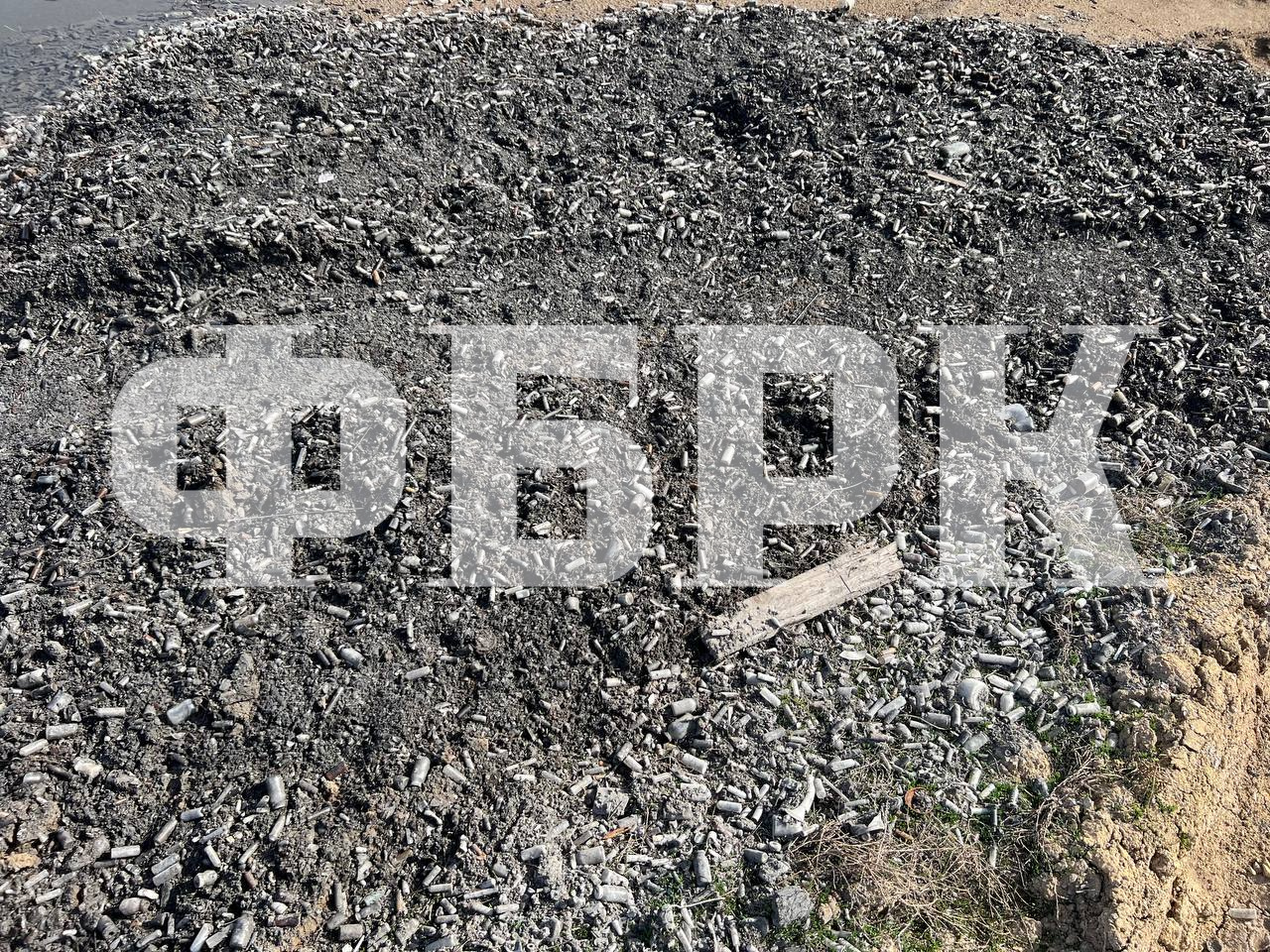
QUESTIONS OF LAND USE AND LIABILITY
The land plot where the disposal is taking place is under temporary, paid, long-term land use by LLP "Akrys2037", owned by Baurzhan Sadakbaevich Muldashev. The company specialises in the rental, sublease, and management of office property.
It is important to note that the designated purpose of this plot is "operation of a warehouse for storing medicines, diagnostic and disinfectant preparations", which may not correspond to the actual use of the land for burning medical waste.
THE ALLEGED OPERATOR AND ITS REPUTATION
According to information from 'Green Economy', it is believed that the disposal of hazardous medical waste may be carried out by LLP "KazMedProf"; however, there is no official confirmation of this information at the time of publication. Only some indirect signs (type of waste, container, location) may point to the possible involvement of this company.
The company's history is marred by a number of legal problems. In October 2022, LLP "KazMedProf" was held administratively liable for failing to comply with an order to eliminate violations of environmental legislation. The company failed to obtain the necessary license for the processing, neutralisation, disposal, and destruction of hazardous waste within the prescribed period, citing a lack of financial capacity.
Currently, LLP "KazMedProf" has a debt under enforcement proceedings owed to the state amounting to 1.24 million tenge, its bank accounts are frozen, it is prohibited from carrying out notarial acts, and it has the status of an unreliable participant in public procurement, a status the company received following a scandal involving the theft of tobacco products under a contract with the Financial Monitoring Agency in July 2024.
In September 2024, the ALE "Euro-Asian Association 'Green Economy'" filed a lawsuit against LLP "KazMedProf" seeking to suspend its operations and revoke its permits, citing violations of environmental legislation in the disposal of medical waste, non-compliance of equipment with required standards, violations in the use of the land plot, and the illegality of the permits obtained. However, the lawsuit was dismissed on formal grounds: the court ruled that an association of legal entities does not have the right to file such a lawsuit, as under the law, only public associations can bring such claims.
THE NEED FOR A RESPONSE
Medical waste poses a serious threat to the environment and public health. It can contain infectious agents, toxic chemical substances, and radioactive materials requiring special treatment and disposal. The crude burning of such waste without proper filtration leads to the release of hazardous substances into the atmosphere, soil contamination, and groundwater pollution.
The situation requires a thorough investigation by the relevant authorities – the Department of Ecology, the Sanitary Service, and the Prosecutor's Office. It is necessary to verify the legality of the medical waste disposal activities on the specified site, the compliance of the disposal methods used with environmental and sanitary standards, as well as adherence to the designated purpose of the land plot.
Consequently, the editorial board of FBKK has sent official requests to the Department of Ecology of Astana, the Committee for Sanitary and Epidemiological Control of the Ministry of Health, and the Prosecutor General's Office of the Republic of Kazakhstan, asking them to inspect the identified facts and take appropriate measures within the framework of current legislation.
It is also important to determine whether the landowner is aware of the nature of the activity being carried out on their property and what the legal basis for such activity is. Identifying all the circumstances and holding those responsible to account, if violations are confirmed, could serve as an important signal regarding the need for all market participants to comply with environmental regulations.
CONCLUSIONS
This situation clearly demonstrates the shortcomings of the system for controlling hazardous waste management in Kazakhstan. Despite the existence of relevant legislation, its practical application often leaves much to be desired. The lack of proper control over the activities of companies involved in the disposal of hazardous waste creates risks to environmental safety and public health.
There is a need to strengthen control over the activities of such enterprises, increase liability for violations of environmental legislation, and develop more effective mechanisms to suppress illegal activities in the field of hazardous waste management. Only a comprehensive approach to solving this problem will ensure environmental safety and protect the health of citizens.