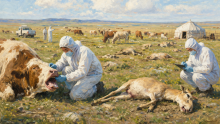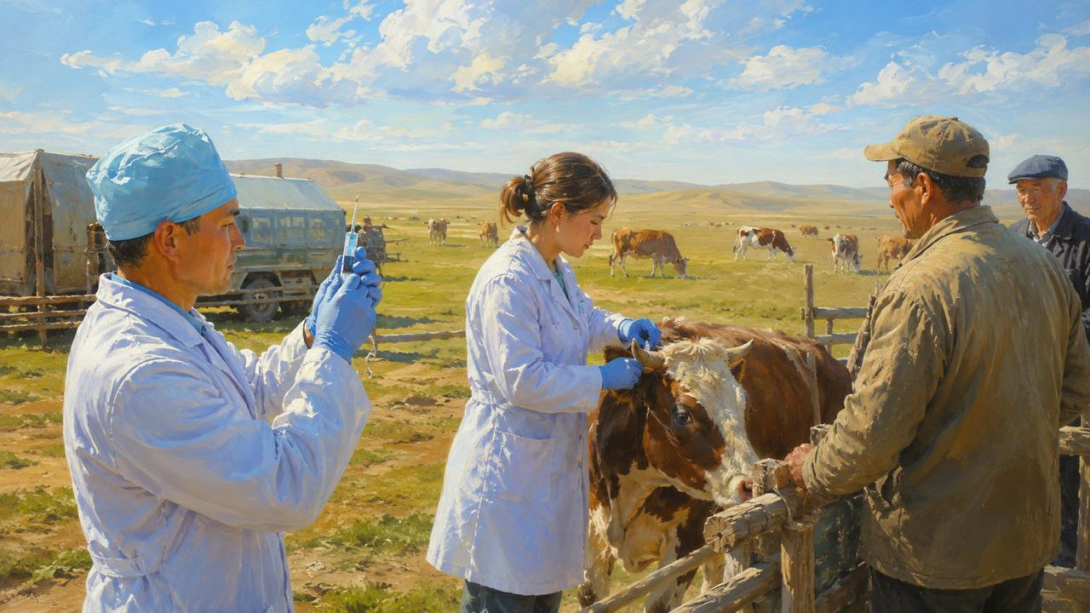
In the Irgiz district, veterinarians confirmed in fallen livestock three diagnoses simultaneously - theileriosis, piroplasmosis and leptospirosis, due to which villagers from the settlements of Shenbertal and Kurylys lost dozens of head in a matter of days. Such a combination of pathogens is atypical for a single outbreak, and it inevitably brings the conversation back to a question that farmers in various regions have been asking for months: can the department's statements be trusted if, in other regions, they have already been publicly disputed by relevant experts.
WHAT HAPPENED
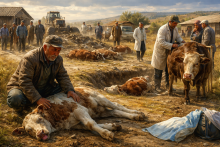
Residents of the settlements of Shenbertal and Kurylys asked for help after losing dozens of head of livestock within a few days. At the initial stage, according to the veterinary department of the Aktobe region, the laboratory was unable to precisely identify the pathogen, and additional samples were required. As a result, in 51 fallen animals, they confirmed theileriosis, piroplasmosis, and in some cases - leptospirosis.
Theileriosis and piroplasmosis are parasitic diseases transmitted through bites from blood-sucking ticks. Leptospirosis is classified as an especially dangerous disease in animals, whose carriers are rodents. Why the outbreak was accompanied by the simultaneous identification of three pathogens at once, including the particularly dangerous leptospirosis, remains unknown.
HOW THE VETERINARIANS ARE RESPONDING
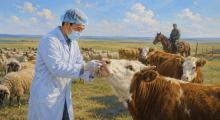
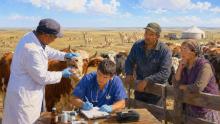
Specialists are carrying out daily house-to-house visits, isolating sick animals and organising treatment. Restrictive measures are being introduced to stabilise the epizootic situation, and health improvement measures will be carried out by the republican anti-epizootic unit. Specialists from the committee of veterinary control and supervision of the Ministry of Agriculture (MoA), the Aktobe Regional Territorial Inspectorate and the veterinary department have travelled to the district - they are meeting with residents and explaining the measures being taken.
WHAT THIS MEANS FOR THE MOA
FBRK has previously written about cases where the official diagnoses of the Ministry of Agriculture differed from the assessments of independent veterinarians. In the West Kazakhstan, Kostanay and Karagandy regions, the diagnosis of "pasteurellosis" in livestock and saiga raised objections from Doctor of Veterinary Sciences Gaisa Absatirov, who pointed to a clinical picture characteristic of foot-and-mouth disease. A similar story was repeated when Minister Aidarbek Saparov stated the absence of especially dangerous diseases in the country. The veterinary community called this claim untrue.
The Irgiz district has become another example of the fact that the Kazakh veterinary safety system operates more in a mode of reacting to an already occurred disaster than preventing such cases. Mass livestock deaths, prolonged diagnostics and a lack of clear explanations as to why such a situation was even possible only increase distrust of the official conclusions. Especially since this is not the first time that the positions of the MoA have diverged from the assessments of the independent veterinary community.
If the state system truly controls the epizootic situation, it should not only state diagnoses post-factum, but also explain the causes of outbreaks, prevent their spread, and answer farmers' questions before they lose dozens of head of livestock. For now, the impression is that the main function of the veterinary service remains dealing with the aftermath, rather than protecting livestock farming from new epizootics.