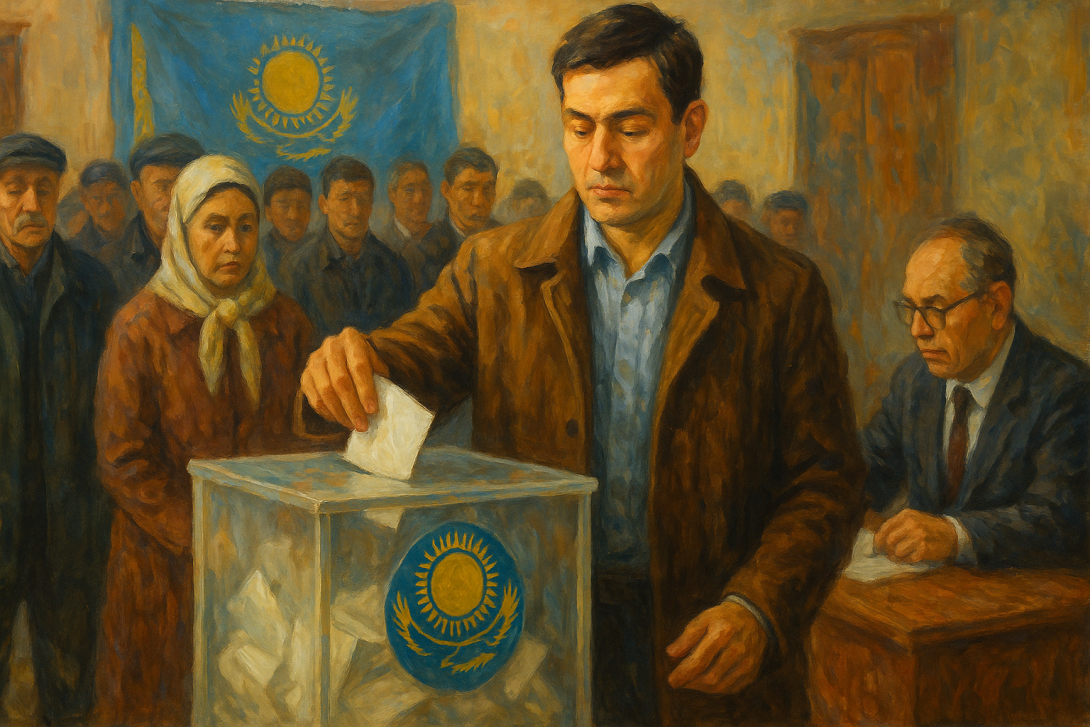
For several years now, Kazakhstan has been consistently expanding electoral processes at the local level, but the experience of pilot elections for district akims has revealed a number of systemic problems. This raises the question: is the country ready for widespread direct elections, or does this step still require additional preparation?
Since 2021, the country has been living in a mode of virtually continuous election campaigns. While in rural districts, where residents know the candidates personally and can see the results of their work, this practice demonstrates a certain effectiveness, at the district level the situation looks different.
The scale of the tasks here is fundamentally different: budget decisions affect tens of thousands of people, the consequences of managerial mistakes are more palpable, and the very distance between the voter and the candidate is significantly greater. At the same time, turnout in district elections is consistently lower than in villages, and interest in the candidates' programmes declines, turning voting more into a duty than a conscious political choice.
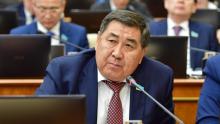
On 26 November, at a session of the Majilis, MP Yerlan Sairov drew attention to the need for a measured approach to the further development of the reform.
It is reported that during the pilot phase, 52 district akims were elected, but some of them did not remain in post for even a year, which automatically triggers a new election cycle and creates a pause in the management of the territory. Each such pause means projects being halted and decisions being delayed, which adversely affects the development of the districts.
The financial side also raises some questions. In the current year alone, almost a billion tenge was allocated from the budget for the elections of 7 district-level heads. Given that organising election campaigns requires substantial resources, a reasonable question arises about the cost-benefit ratio, especially when some of the elected akims leave their posts early.
MP Markhabat Zhaitymbetov highlighted systemic problems that need to be resolved before a large-scale roll-out of district akim elections. Current district heads have limited powers alongside high responsibility: education, healthcare, veterinary services, and employment centres fall outside their direct remit.
According to him, time is needed to form an experienced corps of rural akims, who in the future will become a pool of professional personnel for the district level.
The proposal to temporarily shift to electing district akims through maslikhats does not mean abandoning democratisation; rather, it is an acknowledgement of the need for systematic preparation. Such a format will make it possible to maintain managerial stability, reduce budget expenditures, and buy time to refine the legislative framework.
Ultimately, the goal of the reform is not the mechanical expansion of direct voting, but the creation of an effective system of local self-government, where the elected head has real powers, and elections strengthen trust in state institutions, rather than eroding it through a succession of campaigns.
It is worth recalling that on 24 October, speaking at a ceremony for Republic Day, Kassym-Jomart Tokayev emphasised that in recent years Kazakhstan has significantly expanded the practice of direct elections.
The President pointed to the need for a balanced analysis of this trend and for taking measures in the event of undesirable consequences. According to him, reforms remain a dynamic process where "there is no place for excessive conservatism".