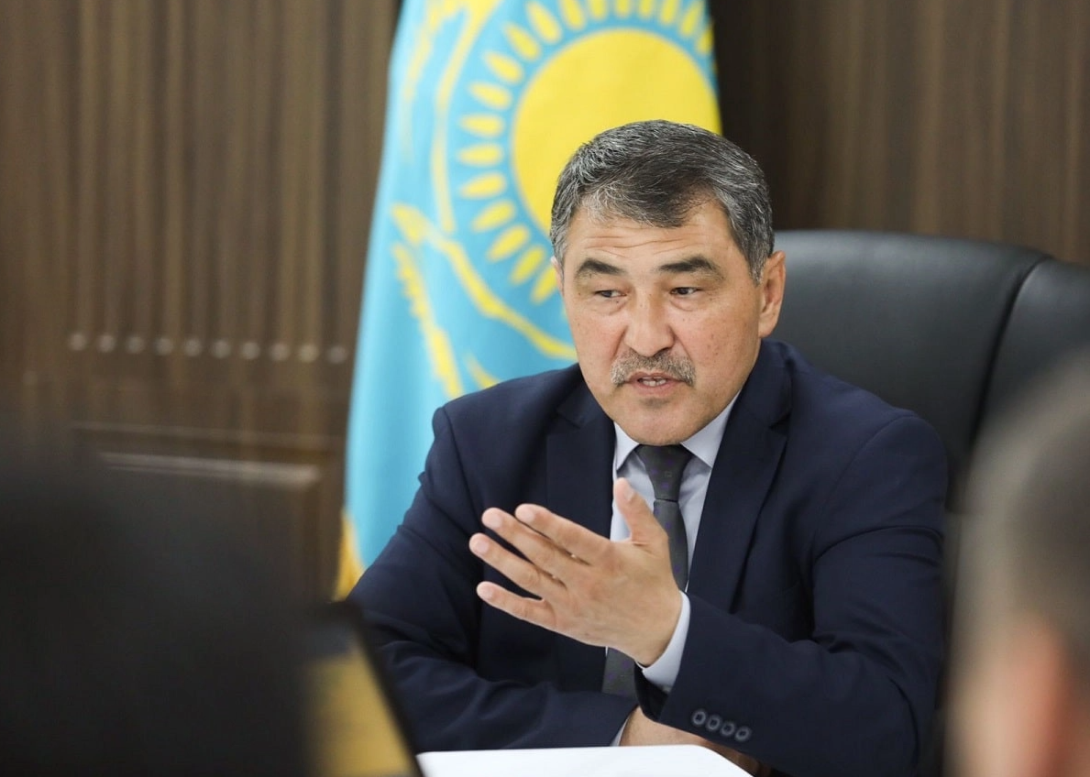
Mazhilis deputy Yerlan Sairov sharply criticised the work of the state enterprise Kazvodkhoz, alleging numerous instances of unauthorised water distribution to the population and agricultural farms.
According to the International News Agency Kazinform, he noted that the scale of the illegal water resources trade is causing serious concern and undermining the effectiveness of the entire water supply system in the country.
"During trips to the regions, we receive information that employees of this organisation are illegally providing water to the local population. When will you fix this problem? It is said that around 40% of water resources are lost illegally each year. How is that possible? Before implementing large-scale projects, we must address the issue of economical use of existing water resources. You still do not have a properly functioning water-saving mechanism", he said.
In response, Minister of Water Resources and Irrigation Nurzhan Nurzhigitov acknowledged the existence of the problem. According to him, cases of illegal water extraction without concluding contracts with Kazvodkhoz are indeed being recorded in various regions of the country.
"We are now converting the process of concluding contracts with Kazvodkhoz into an electronic format. This is necessary to strengthen control", the head of the department noted.
The minister also announced the introduction of a satellite monitoring system, which will make it possible to track water intake and consumption by agricultural entities. The system is expected to record the volumes of water supplied, compare them with the terms of contracts, and also monitor the flow of funds into the budget.
"This may not solve the problem 100%, but it will become a powerful tool for us", Nurzhigitov noted.
He added that with the entry into force of the new Water Code, the control functions previously performed by territorial inspectorates will be transferred to a new committee. This is expected to improve the effectiveness of oversight and curb abuses of water resources.
Earlier, Mazhilis deputy Pavel Kazantsev raised the issue of potential risks to Astana's water supply. He reminded that the Astana reservoir, built in 1969 and designed for a population of 500,000 people, remains the city's only source of drinking water. Kazantsev noted that due to rapid population growth and active housing construction, the problem is worsening, as the capital has no backup sources.
Shortly before this, it was reported that since the beginning of the year, 18 administrative fines totalling 2.9 million tenge had been collected from violators of water legislation. It was also reported that, overall, during the reporting period, 35 administrative fines totalling 6.4 million tenge were imposed for cases of illegal water use.