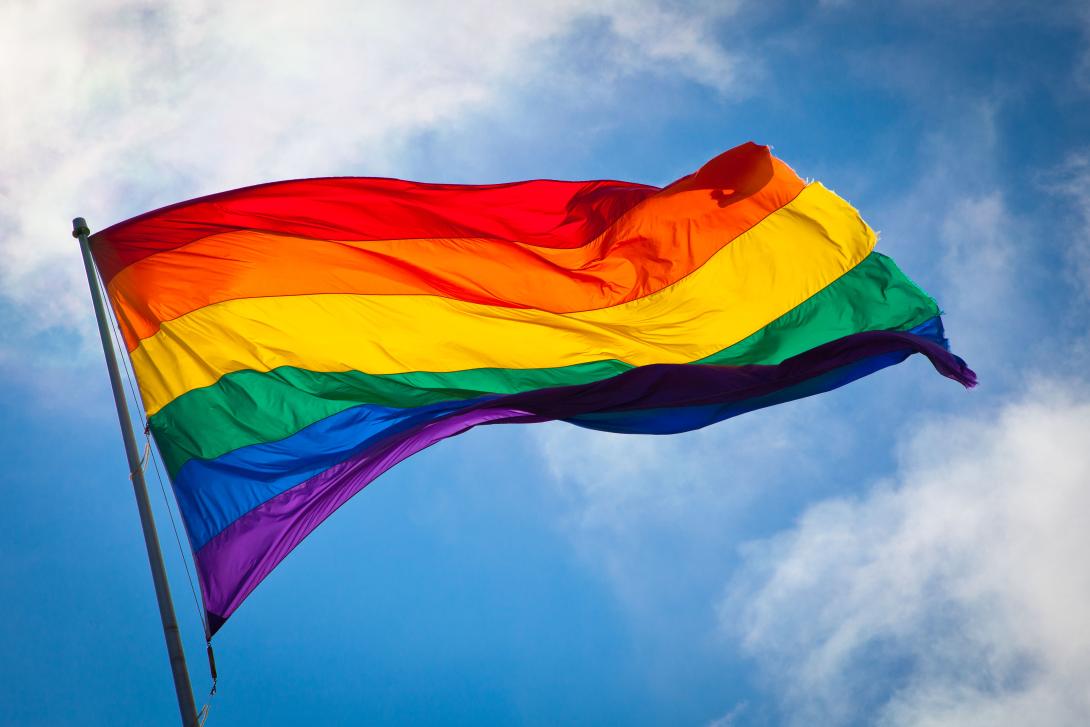
From 7 to 10 October, an event called the 'lesbian kurultai' is taking place in Almaty, organised by the Kazakh feminist initiative 'Feminita'.
The holding of such a gathering raises questions in itself, but the use of the term 'kurultai' for a meeting of LGBT representatives risks causing even greater public controversy than the content of the event itself.
The kurultai, as an institution of dialogue, has existed since the time of the ancient Saka tribes and plays a significant role in the history and culture of the Kazakh people. It was the supreme assembly where the most important decisions were made on matters of politics, economics, trade, war and peace.
In Kazakhstan, the kurultai was a key element of state governance; it was a symbol of unity and cohesion between the people and leadership at critical moments in history. Kurultais were regarded as sacred and were always associated with national interests.
The choice of the name 'kurultai' for an LGBT event is, to say the least, baffling. Traditionally, the kurultai was an assembly where momentous issues were discussed for the whole of society, not for a single social group with particular interests.
It is noteworthy that this event is being organised in a country where national traditions and cultural foundations are respected. A reasonable question arises: why do supporters of such initiatives deliberately use symbolism associated with national institutions to promote their agenda?
Can this frankly insulting decision be seen as a calculated provocation, aimed at stoking conflict and destabilising society from within?
The goals of this event also raise certain doubts. The LGBT organisation 'Feminita' has been linked on several occasions to attempts to promote ideas and values alien to traditional Kazakh society.
There is a view that 'Feminita' receives funding from Western organisations, and therefore it is possible that the promotion of LGBT ideas in Kazakhstan is part of a broader strategy to influence public consciousness and local social processes.
In our country, the family has always been and remains the primary institution for upbringing and the transmission of cultural traditions. Any actions aimed at eroding this foundation threaten the preservation of national identity.
Kazakhstan, as a sovereign state with a rich history, has the right to protect its cultural values from external influences. The family and national identity remain central elements of Kazakhstani society, and their preservation must be a priority.