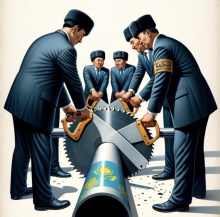
"Investment Fund of Kazakhstan" (IFK) and "Development Bank of Kazakhstan" (DBK) left no chance for the survival of the "Semipalatinsk Leather and Fur Combine" (SLFC). The enterprise, recognised as the largest in Central Asia and unique in Kazakhstan, was declared bankrupt. The reason for this is the conditions created by the subsidiary organisations of NMH "Baiterek."
Initially, having provided the combine with unfavourable lending, DBK delayed financing and in every way hindered the activities of SLFC. And years later, it devalued the enterprise's assets from $51.3 million to $5 million and declared it bankrupt.
Earlier we reported that the former owners of the ruined enterprises, controlled by the Investment Fund, sent a letter to the President asking to return the investment assets. The authors insist they can resume production activities and request the creation of a "special anti-crisis commission" for this purpose.
Semipalatinsk Leather and Fur Combine LLP (SLFC) was founded in 1998. The enterprise's property included a tannery, a sheepskin and fur coat factory, a shoe factory, and wastewater treatment facilities.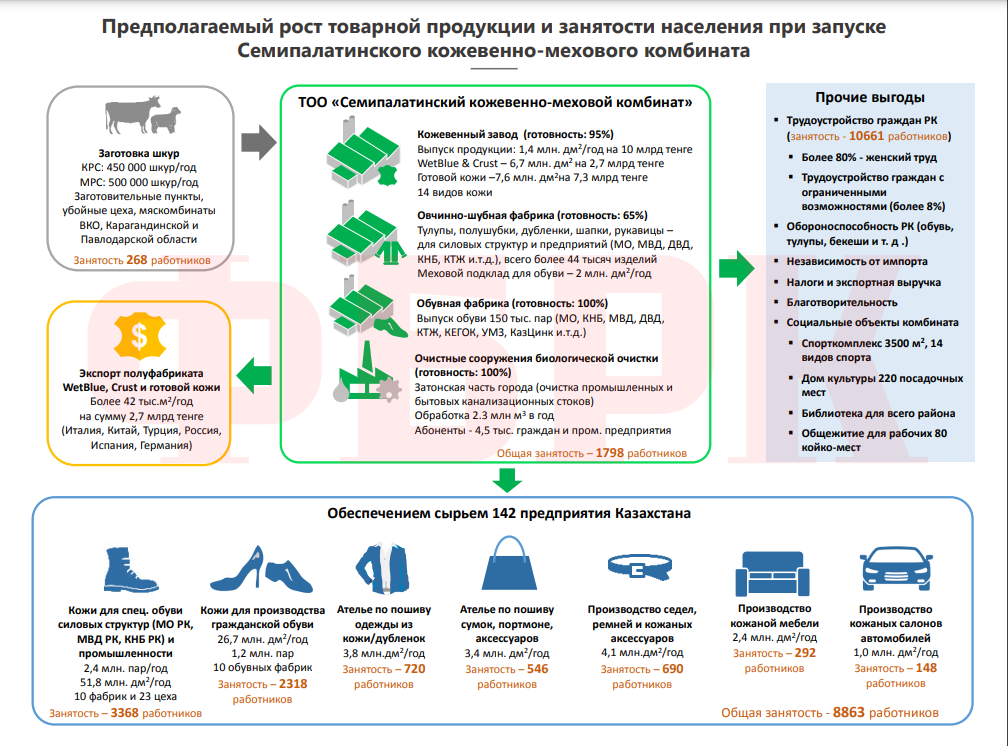
In August 2005, a government resolution was issued on the development of the "Semipalatinsk Leather and Fur Combine", according to which the "Development Bank of Kazakhstan" was obliged to provide the combine with concessional lending for an investment project.
In 2008, instead of an investment loan at a favourable interest rate of 3.2%, DBK provided SLFC with a commercial loan in US dollars at 14% per annum. The loan amount, including commission, totalled $25 million, with a loan term of 12 years.
As collateral, the General Director of SLFC, Zhumagazy Rakhimgaliev, was forced to pledge the combine's movable and immovable property worth $33.4 million and paid $250,000 for reserving the funds. As it later emerged, the actual reservation of funds did not take place.
The "Development Bank of Kazakhstan" began violating the terms of the deal from the moment it was concluded. According to the contract, the bank had no obligations towards the combine, while the requirements placed on the latter were extremely inflated.
Furthermore, DBK delayed financing for the project without any explanation. The "Semipalatinsk Leather and Fur Combine" would win tenders but could not fulfil them due to the lack of financing from the bank.
The real problems for SLFC began in 2010, when DBK demanded a 51% stake in the combine's authorised capital, which was refused. The bank then stopped financing, explaining that the previously pledged assets of Rakhimgaliev were insufficient.
The founders of Semipalatinsk Leather and Fur Combine LLP were Zhumagazy Rakhimgaliev (80% share) and his wife (20%). The wife refused to provide a personal guarantee, and Rakhimgaliev transferred her share in the company to himself. Afterwards, "Development Bank of Kazakhstan" forced him to pledge 100% of the shares of the combine's authorised capital for 1 tenge.
Later, promising to resume financing, DBK demanded the pledge of other assets of the combine as well, but did not keep its promise. At the same time, the bank continued to demand that production operations continue. The situation reached the point where the akimat of the East Kazakhstan region gathered working capital, and Rakhimgaliev invested personal funds to keep the combine running.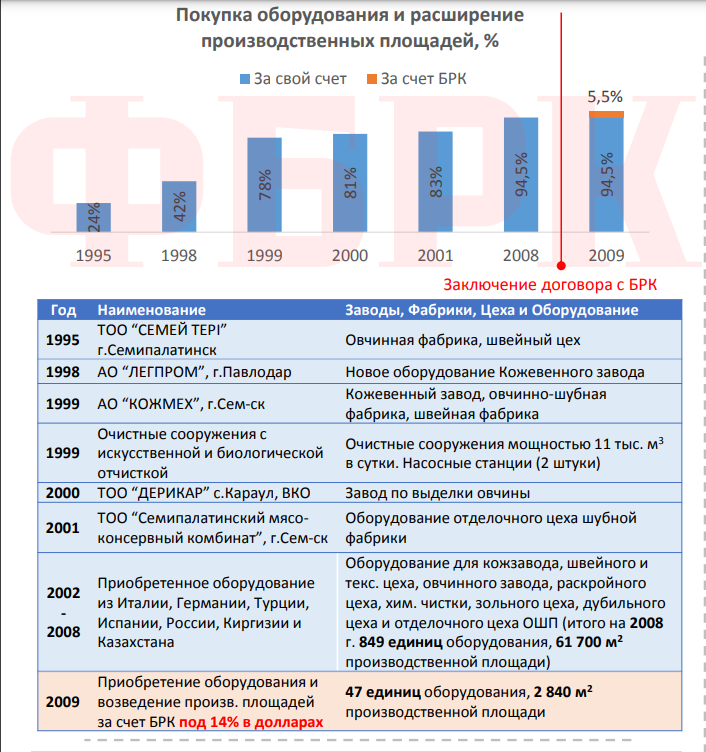
In 2013, DBK transferred the combine to the "Investment Fund of Kazakhstan". SLFC began looking for investors on its own. However, it failed to reach agreements with those willing to cooperate, because the creditors made unacceptable demands. Meanwhile, neither DBK nor IFK attracted a single investor for the unique enterprise.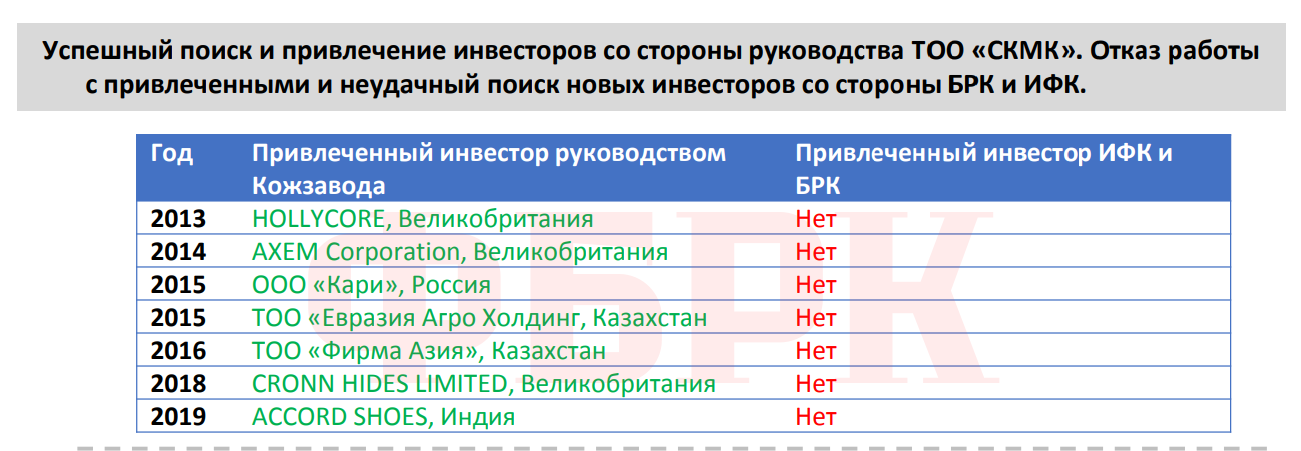
In 2019, the "Semipalatinsk Leather and Fur Combine" was declared bankrupt. The amount of under-financing by DBK reached 1.4 billion tenge. SLFC's debt amounted to 106 million tenge, while the value of the combine's property at the time was over 15 billion.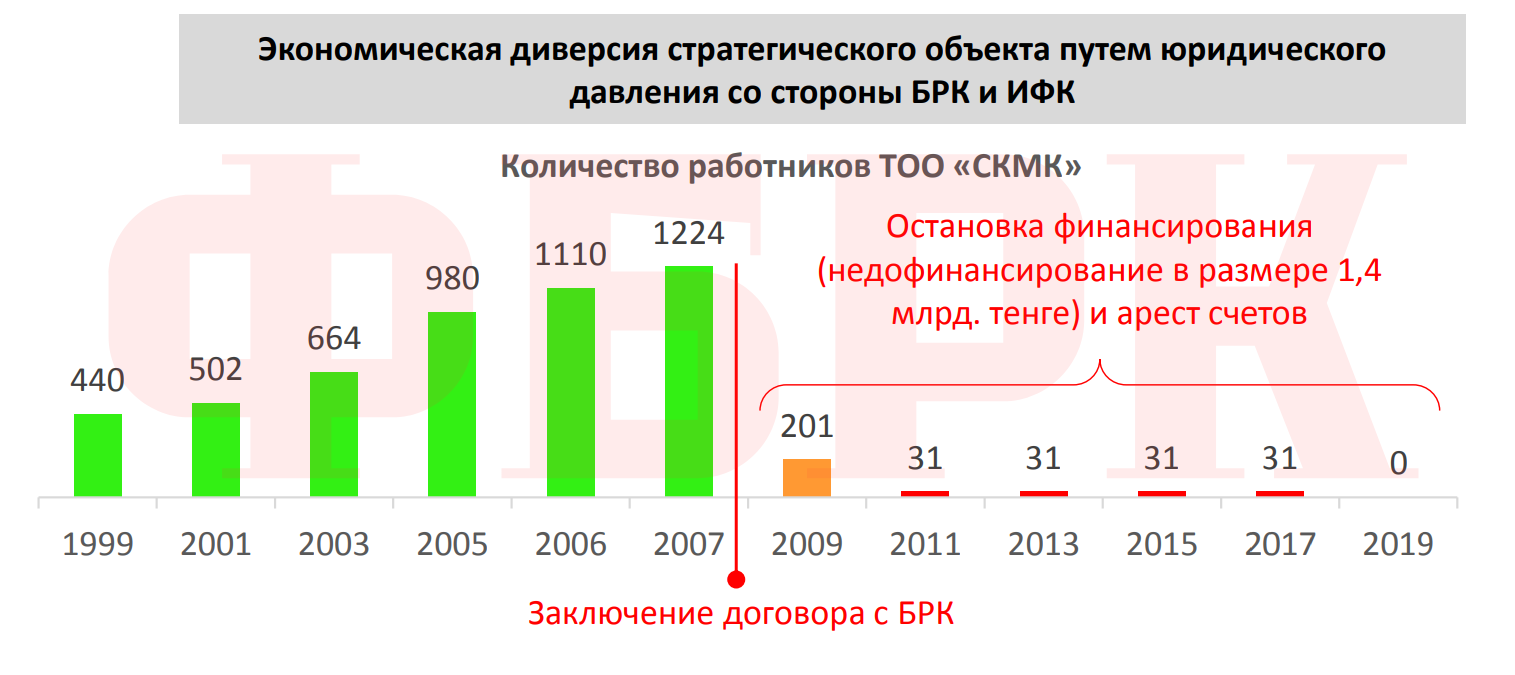
During the bankruptcy process, a number of violations were also committed, the voluntary application for bankruptcy was ignored, and SLFC's assets were devalued. Appeals to various authorities had no effect. Letters from deputies, ministers, and the mayor of the city of Semey went unanswered.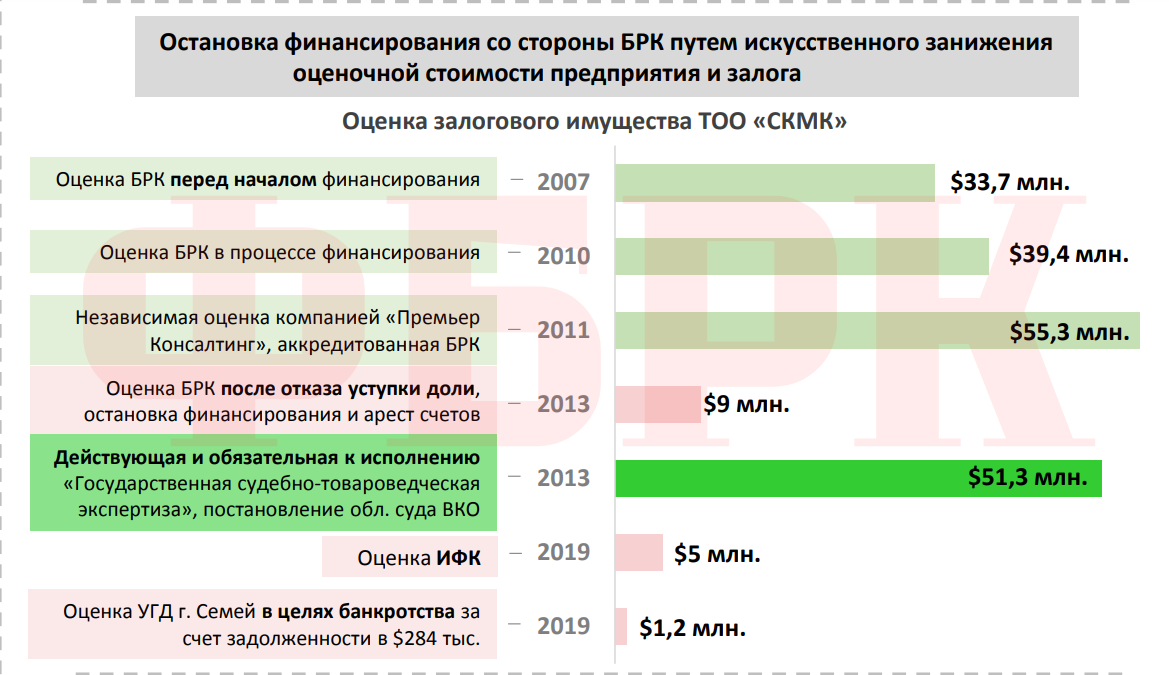
Thus, a unique, promising enterprise capable of providing over 10,000 jobs and ready to pay millions of tenge in taxes was ruined. It gives the impression that DBK and IFK do not contribute to the development of enterprises, but are purely engaged in debt collection activities, the task of which is to declare bankruptcy. Who is acting, and in whose interests?