In the Turkestan region, farmers are losing dozens of livestock due to drought and locust infestation. Regional authorities deny the scale of the problem and are refusing compensation.
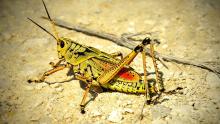
According to Ulysmedia.kz, abnormal heat and lack of rainfall have led to the drying out of pastures in several districts of the region. The situation is exacerbated by a locust infestation. Many farmers have already lost dozens of livestock, and the remaining animals are severely emaciated. It is impossible to sell them — neither for meat nor for fattening. Residents of rural districts are requesting lower hay prices and additional pastures, but are receiving formal refusals.
"Now the animals have nothing to eat. The locusts have eaten all the suitable grass. What was left was eaten by livestock from the neighbouring village. There is nothing left for our cattle now," said farmer Khakim Kambarov.
"Every household has lost a dozen sheep. We can't even sell anything. It's only the first month of summer. What comes next?" said farmer Mirali Taskulov.
Farmland has also been affected: out of 190 hectares of sown area, about 10% have been declared unusable. However, as reported by the Department of Entrepreneurship and Agriculture of the Keles District, no compensation is due to those affected, as a state of emergency has not been declared.
The officials' response is causing concern among farmers, who are forced to deal with the consequences of the drought on their own. This threatens not only their well-being but also the sustainability of the region's agriculture as a whole.
Meanwhile, the Akim of the Turkestan region, Nuralkhan Kusherov, stated that the complaints about the drought coming from farmers do not correspond to reality.
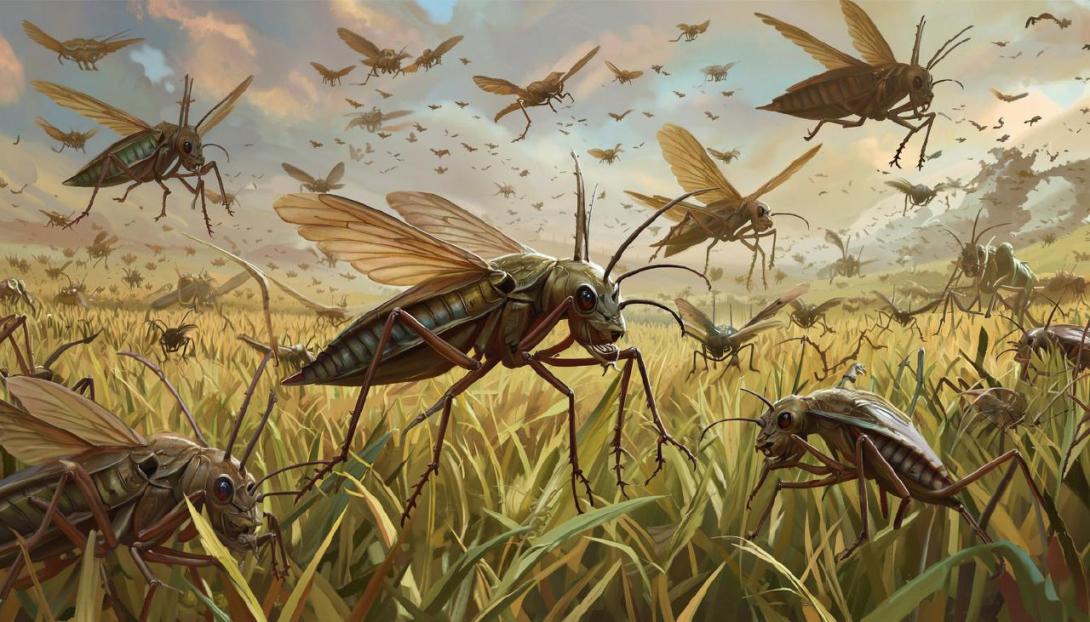
The locust problem has affected not only the Turkestan region — across the whole country farmers are suffering from a pest infestation. The Ministry of Agriculture reports the treatment of 1.7 million hectares against locusts across 13 regions, but simultaneously claims that videos of the mass pest infestation "are being checked" and "most are not confirmed".
Such statements from the ministry look like an attempt to cover up the real scale of the problem.