In Shymkent and the Karaganda region, a pilot project for providing public services through the Unified Digital Platform of the Ministry of Labour has been launched. The system automatically determines the welfare level of families and provides targeted support measures in the areas of education, social protection, housing and physical culture.
According to the press service of the Ministry of Labour and Social Protection of the Population, the scoring model is used when awarding additional social support measures funded from local budgets: free school meals, provision of places in dormitories for students, sanatorium and spa treatment, housing assistance and others.
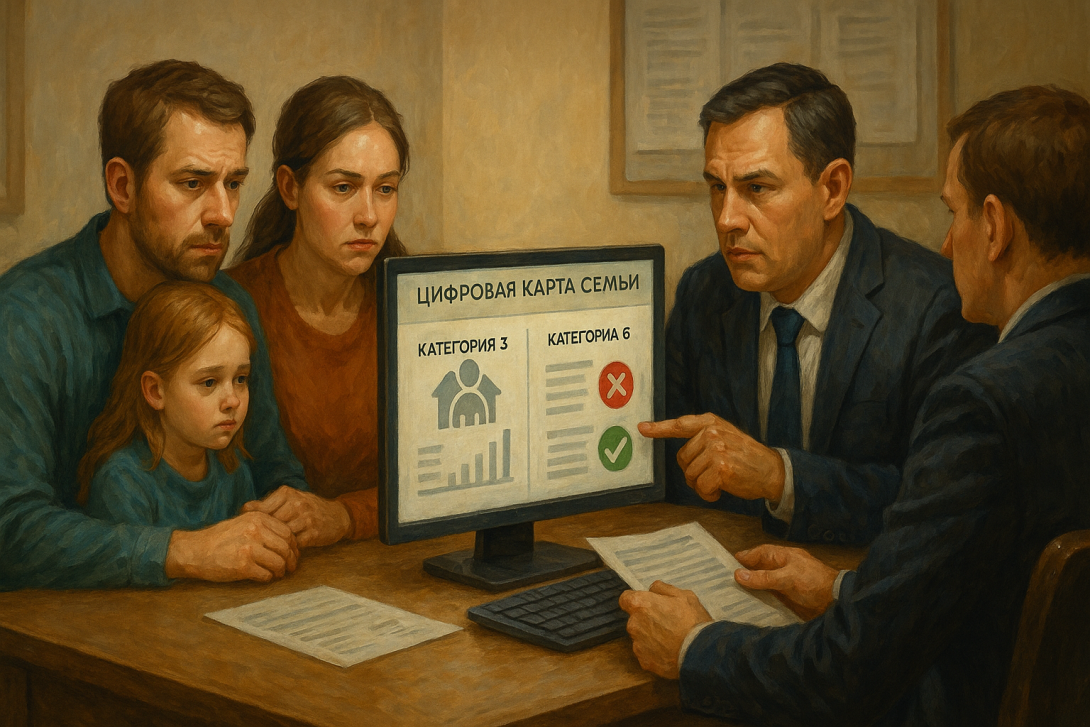
The welfare assessment will be carried out based on 23 socio-demographic and economic criteria. All families are divided into 6 categories — from extreme need (deficit of funds for food) to a high level (no material difficulties). The decision is made automatically based on data from the Digital Family Card.
Families with two or more properties, two or more cars, a registered business, and an income above 4 subsistence minimums per person will be placed in the 6th category and excluded from receiving additional support measures.
At the same time, guaranteed social payments from the republican budget — a total of 41 types — remain unchanged.
"Basic and solidarity pensions, child birth and childcare benefits for children up to 1.5 years old, benefits for large families and decorated mothers, disability benefits and benefits for caring for a disabled child, survivor's benefits, special state benefits and other types will be paid without changes," the statement says.
Targeted social assistance and 5 types of social payments from the State Social Insurance Fund are also fully preserved.
It is expected that the introduction of the scoring model will move away from the 'same for everyone' principle and provide support to those citizens who truly need it.