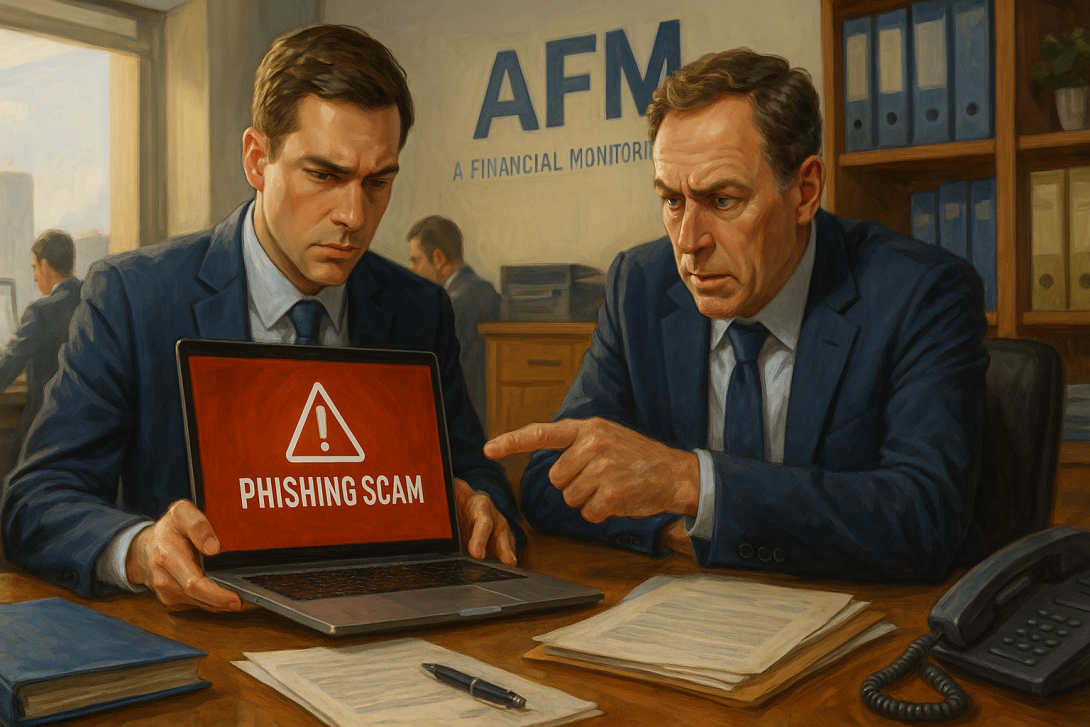
The Financial Monitoring Agency (FMA) has warned citizens about new cases of fraud, where criminals pose as FMA employees, lawyers, or inspectors and send fake letters about an alleged inspection.
According to the agency's press office, the FMA does not send such notices and never requests personal data, account numbers, SMS codes, documents, or other confidential information over the phone.
The FMA reported how the criminal scheme works. It is noted that fraudsters send fake letters to companies supposedly on behalf of the agency and the National Security Committee (KNB), demanding data on employees or other internal information.
Almost simultaneously, individuals posing as the company's manager or accountant start messaging the victim via WhatsApp. They use real names and photographs to build trust. The correspondence is often conducted in Kazakh, which adds to the credibility.
After this, a 'lawyer' calls, who demands that the information not be disclosed, forbids the victim from talking about the conversation even to relatives or colleagues, and insists on immediate action.
The fraudsters create an atmosphere of fear and urgency: they call and message at the same time, convincing the victim that any delay risks legal problems.
In the final stage, the victim is persuaded to go to the bank urgently and follow 'instructions to protect their funds.' As a result, people end up transferring their savings to the criminals themselves.
Elderly people, who are more susceptible to intimidation and manipulation, particularly often fall victim to these fraudsters.
What to do if you receive such a call or letter:
- stay calm and immediately end the conversation;
- do not click on links or open attachments in suspicious letters;
- do not transfer money or disclose personal data;
- contact the legal department or accounting office of your organisation to confirm whether official letters were actually sent;
- warn colleagues and management about a possible data breach;
- note the caller's number and report the information to law enforcement authorities.
The editorial board of FBRK recommends that its readers exercise utmost vigilance and not give in to provocation by fraudsters. Be sure to inform your relatives about this scheme, especially the elderly, as well as your work colleagues. For any suspicious calls or messages purporting to be from government agencies, call those institutions back on their official telephone numbers to verify the information.