The Corruption Investigation Bureau (CIB) conducted a large-scale investigation into environmental violations in the capital region, identifying systemic problems in the waste management sector. The work of journalists and the public has produced concrete results: the Ministry of Ecology recognised the illegality of major landfills, the authorities tightened controls and increased fines, and waste transportation companies changed their practices. However, months after the officials' loud declarations, many problems remain unresolved, demonstrating the need for constant public oversight of compliance with environmental legislation.
THE LANDFILL IN KOYANDY: FROM DENIAL TO ADMISSION
The most high-profile case concerned the illegal landfill near the village of Koyandy in the Akmola Region, where waste from the capital was being dumped. The investigation uncovered a complex scheme involving young companies with no tender experience that had gained access to billion-tenge projects in the waste management sector.
Zero Waste LLP, registered in February 2024, was transporting rubbish through a chain of intermediaries to a site owned by Sole Trader 'Marushchak Vitaliy Viktorovich', which lacked the necessary permits. Meanwhile, the Astana Department of Environmental Protection initially saw no violations, calling the landfill an 'alternative waste acceptance point'. The Ministry of Ecology later confirmed the illegality of the landfill, but only took active steps after public pressure from journalists.
On 26 March 2025, a correspondent from Baimedia directly addressed the Minister, Yerlan Nysanbayev, who admitted he had no information about the dump but promised to conduct an inspection. However, almost a month later, no visible action had been taken at all. Only after a follow-up request on 15 April did the Chairman of the Environmental Protection Committee, Yerbolat Kozhikov, report that the case had been referred to court.
On 23 May, a personal meeting took place between a CIB correspondent and the Vice-Minister of Ecology, Zhomart Aliyev, during which the official stated that the matter was under the special oversight of the ministry, that work was proceeding actively and would not be halted. The Ministry will continue legal proceedings against the owner of the Sole Trader Marushchak. However, Aliyev noted a problem of coordination with the Department for Land Resource Management of the Akmola Region, which is ignoring letters and requests from the Ministry of Ecology. Once a response is received from the Department for Land Resource Management, the process of privatising the site on which the landfill is located will begin.
On 27 May, at a meeting with a CIB correspondent, the head of the Department of Environmental Protection, Daulet Doskulov, reported that he had sent recommendations to waste transportation companies not to take rubbish to Koyandy, but to use eco-landfills or other legal alternatives. The result was that two out of three companies stopped their illegal activity; only 'GorKomTrans' continues to transport waste. At the same time, the authorities emphasise that responsibility for illegal landfills lies solely with the landowners, not with the companies transporting rubbish there, which creates a legal loophole for unscrupulous carriers.
GPS MONITORING AGAINST VIOLATIONS
Particular attention during the meetings was drawn by a demonstration of the GPS system from Shalkar Innovations LLP for tracking rubbish trucks. The company's representative showed in real-time how the system records vehicles taking waste to the illegal landfill in Koyandy, including the number of trips and stopping times for a specific day. The company states that it holds a database of vehicle registration numbers and can provide data on the number of trips to the landfill.
It is envisaged that this information could become key for assessing environmental damage and setting objective fines. The system is also planned for use in monitoring construction companies, which, according to Doskulov, are the main source of illegal dumps in the city. The city administration plans to force construction companies to install GPS trackers on their vehicles to monitor routes, which will aid the fight against illegal dumps.
THE DUMP NEAR THE SANCY RESIDENTIAL COMPLEX: PROMISES WITHOUT RESULTS
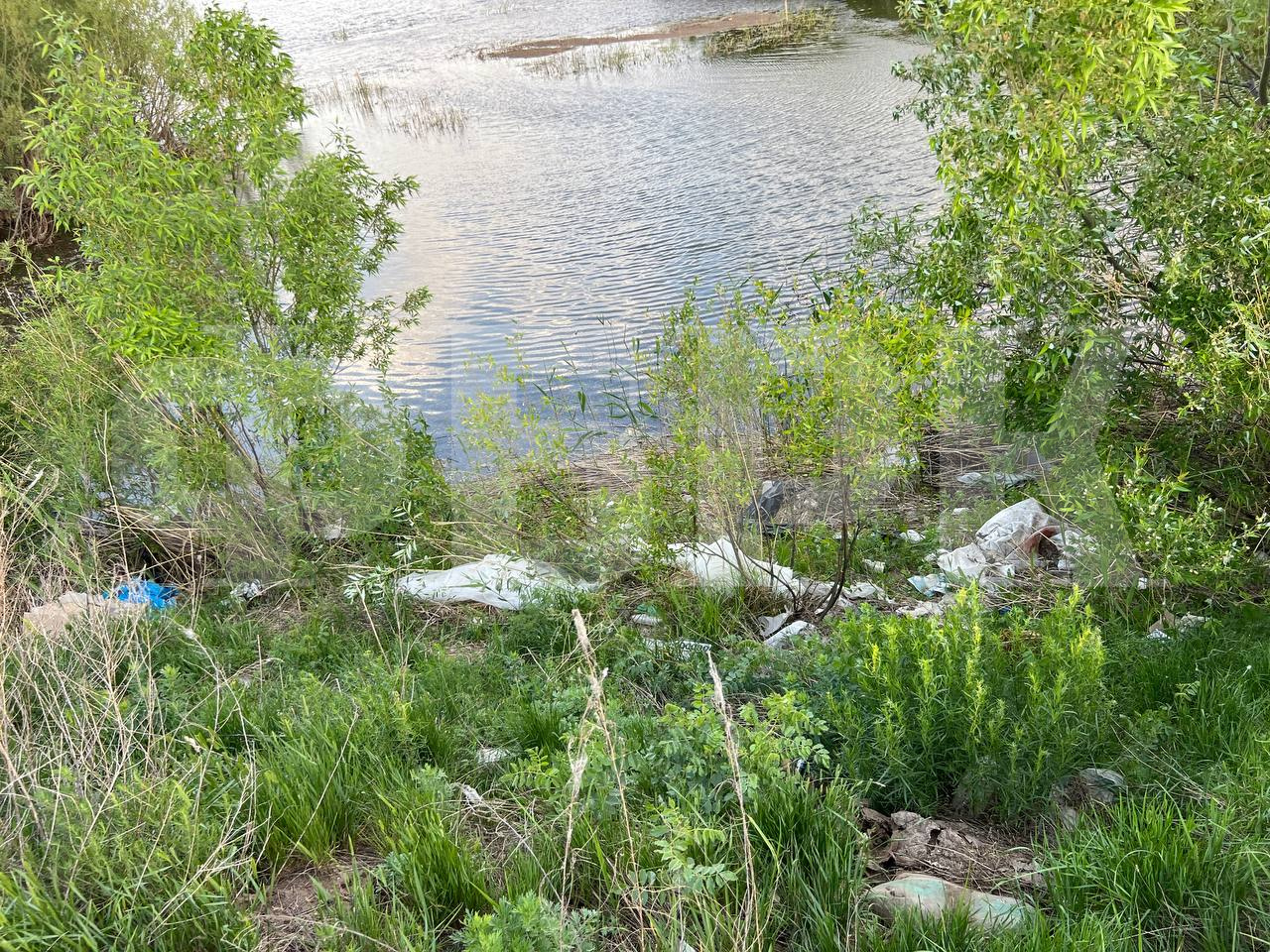
In March, the CIB identified an illegal dump near the Sancy residential complex on the banks of the Ishim River in Astana.
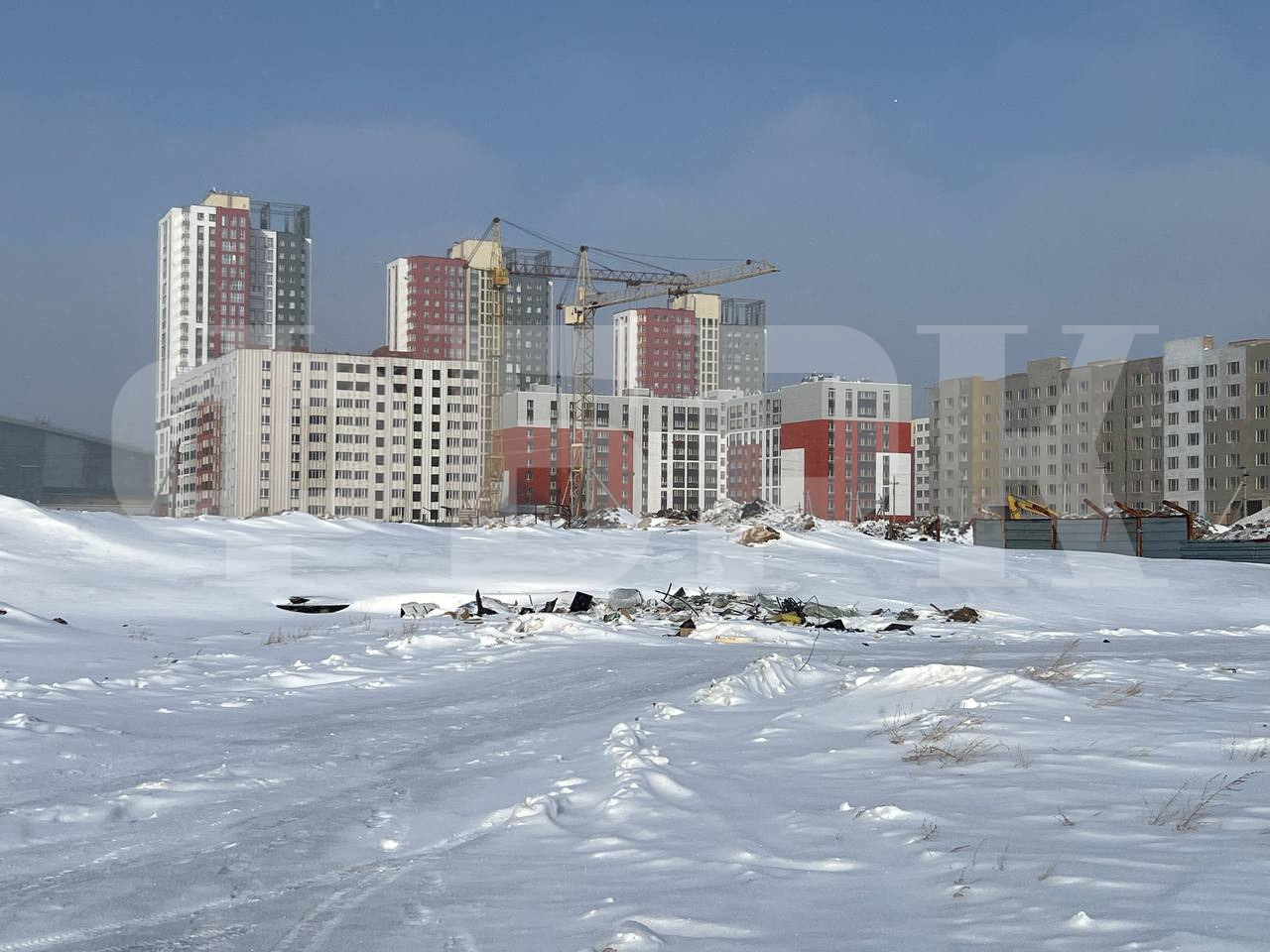
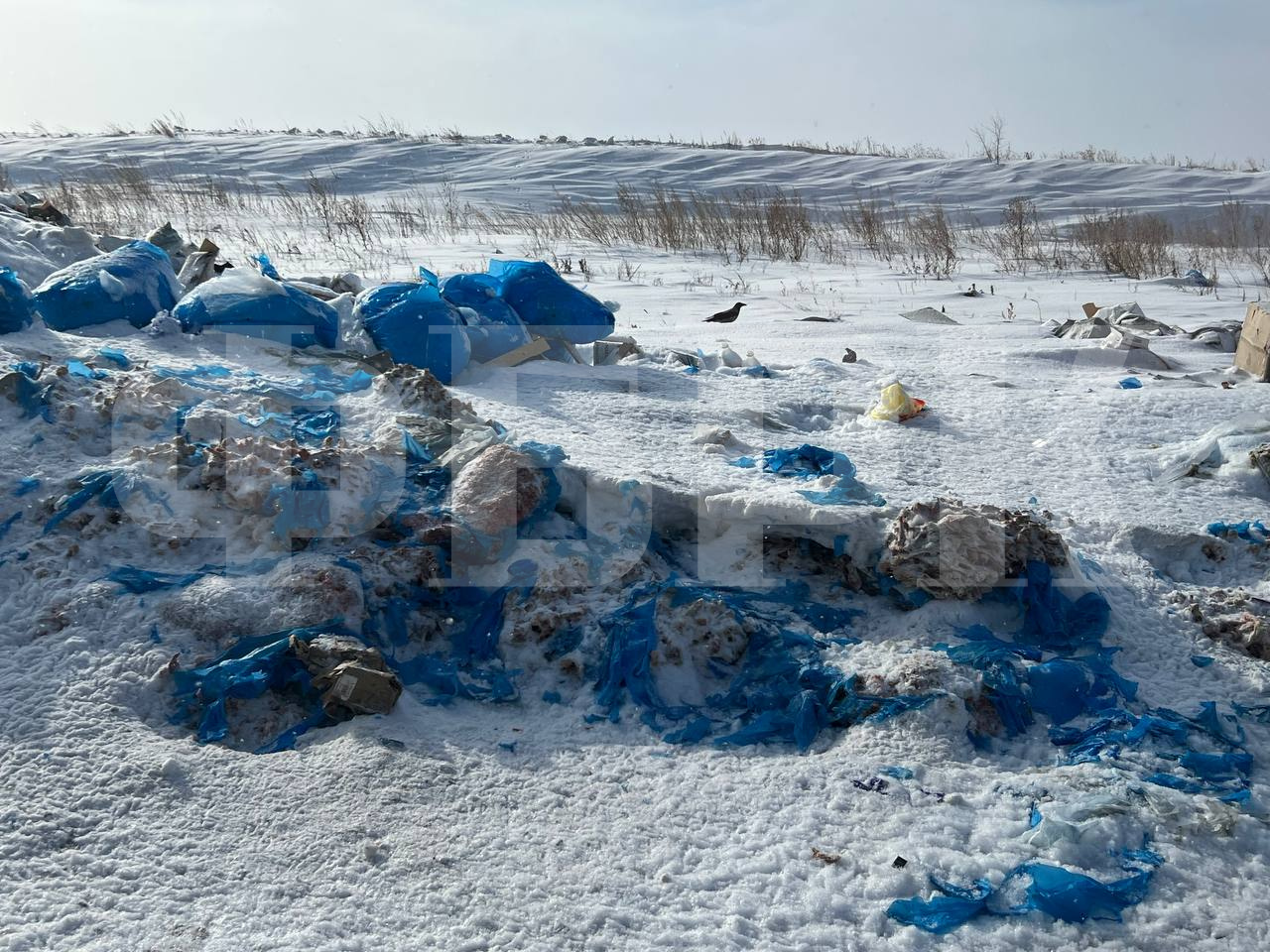
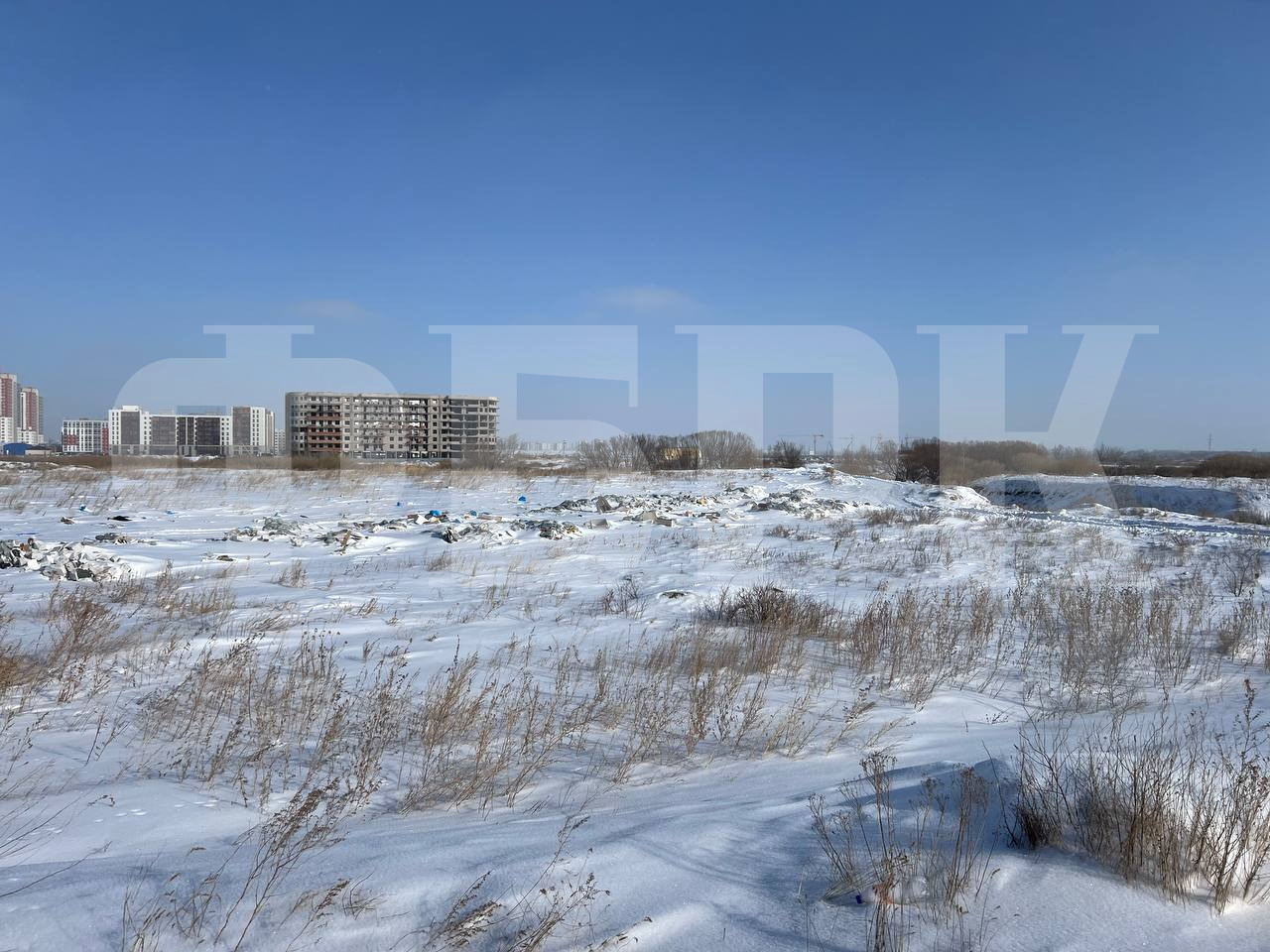
Despite bringing two offenders to justice under Article 505 of the Administrative Code and loud promises from the authorities, the dump remains in place after two months. The Police Department of the Almaty district reported the punishment of two truck drivers, but the problem itself has not been solved.
The akimat of the Sarayshyk district announced a site visit for 12 April to assess the scale and a 'large-scale clean-up day' for 19 April, inviting CIB journalists to join the event. However, closer to the appointed dates, the authorities stopped making contact. A re-inspection of the area, conducted by a CIB correspondent on 22 May, showed an unchanged situation – the dump is still located in the water protection zone of the Ishim River.
Against the backdrop of the authorities' inaction, the CIB editorial board sent a second official request to the city akimat demanding an explanation as to why the promised measures were not carried out and the dump has not yet been cleared.
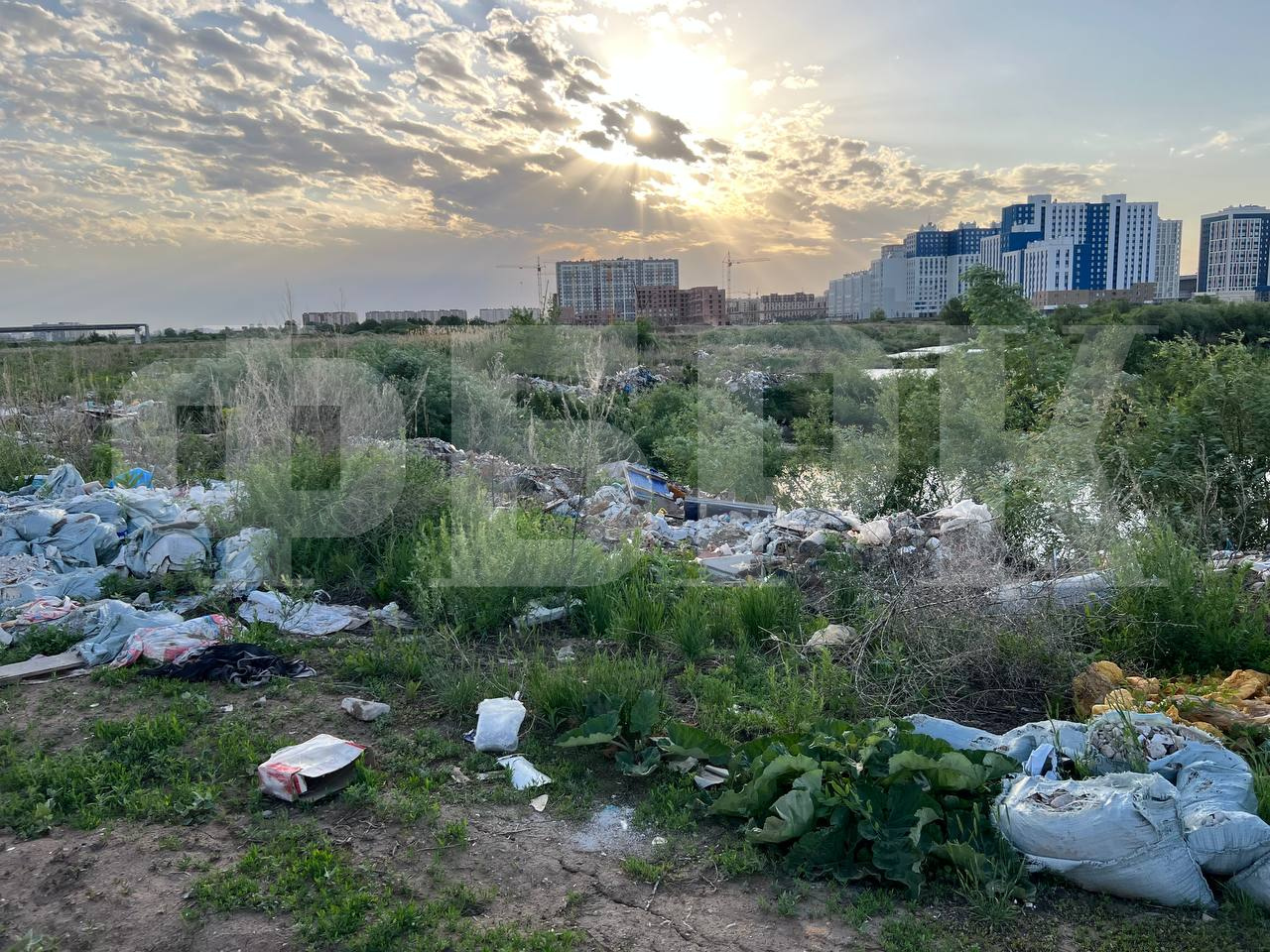
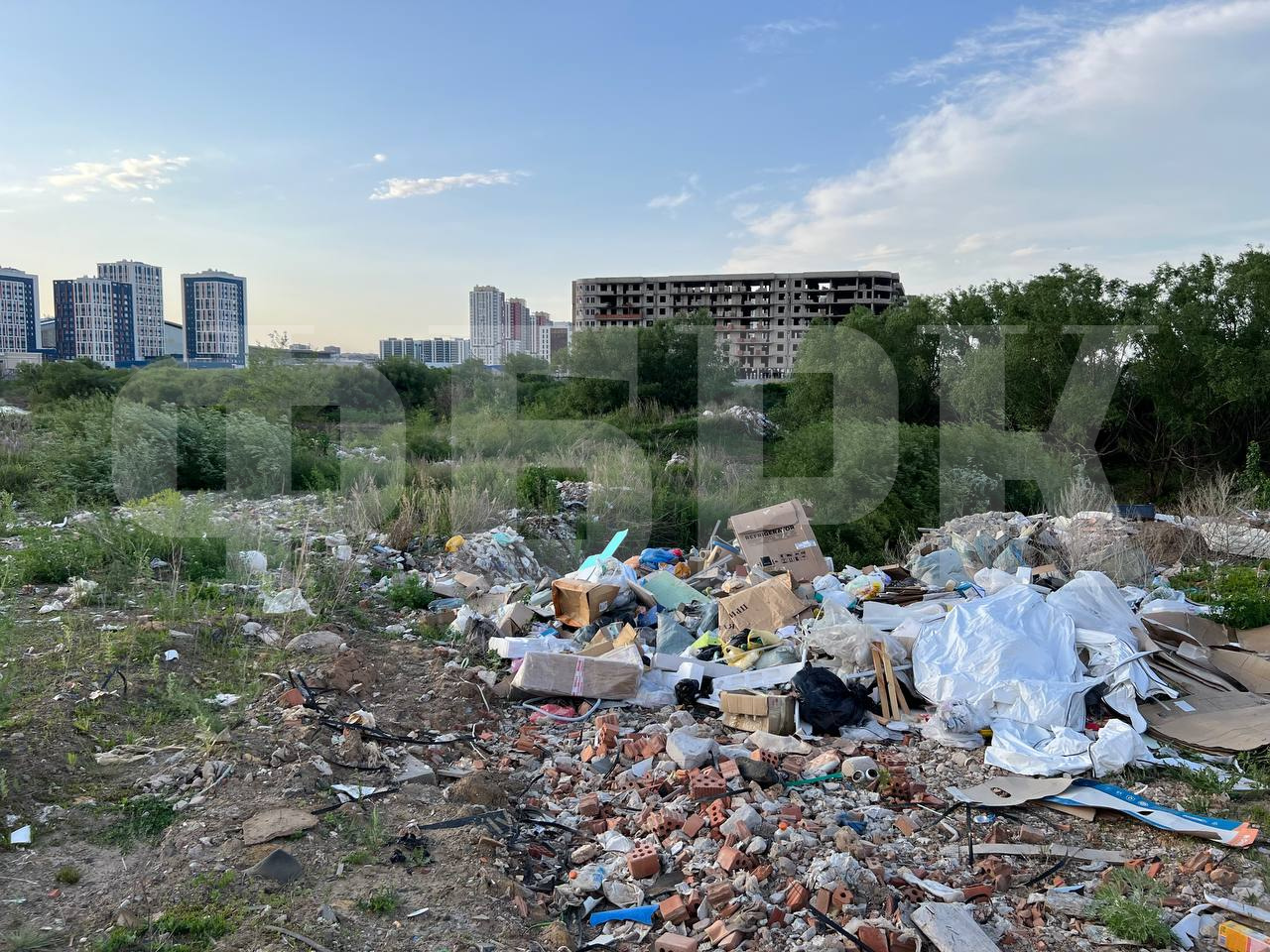
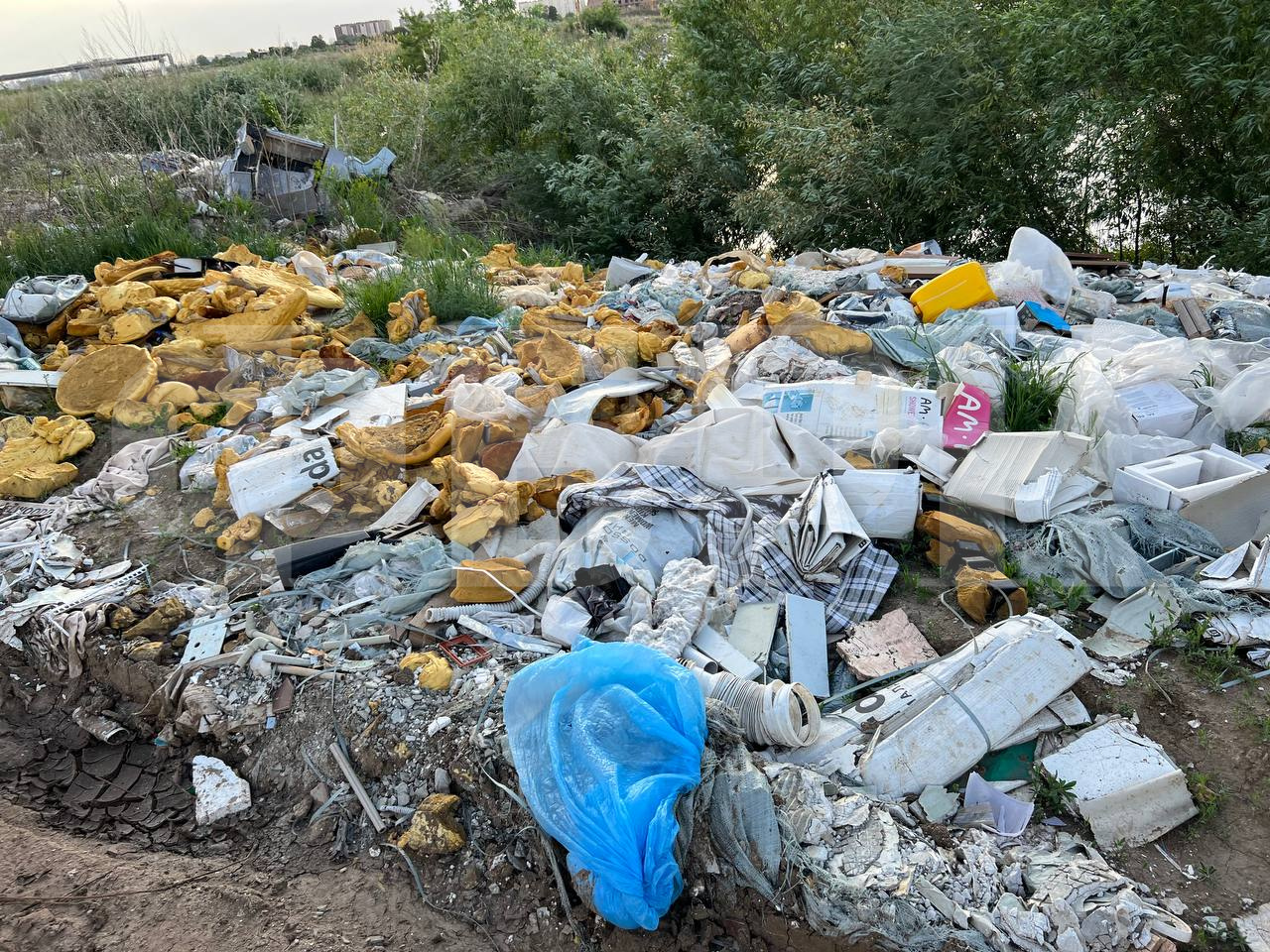
CITY CENTRE: A DUMP NEXT TO GOVERNMENT BUILDINGS
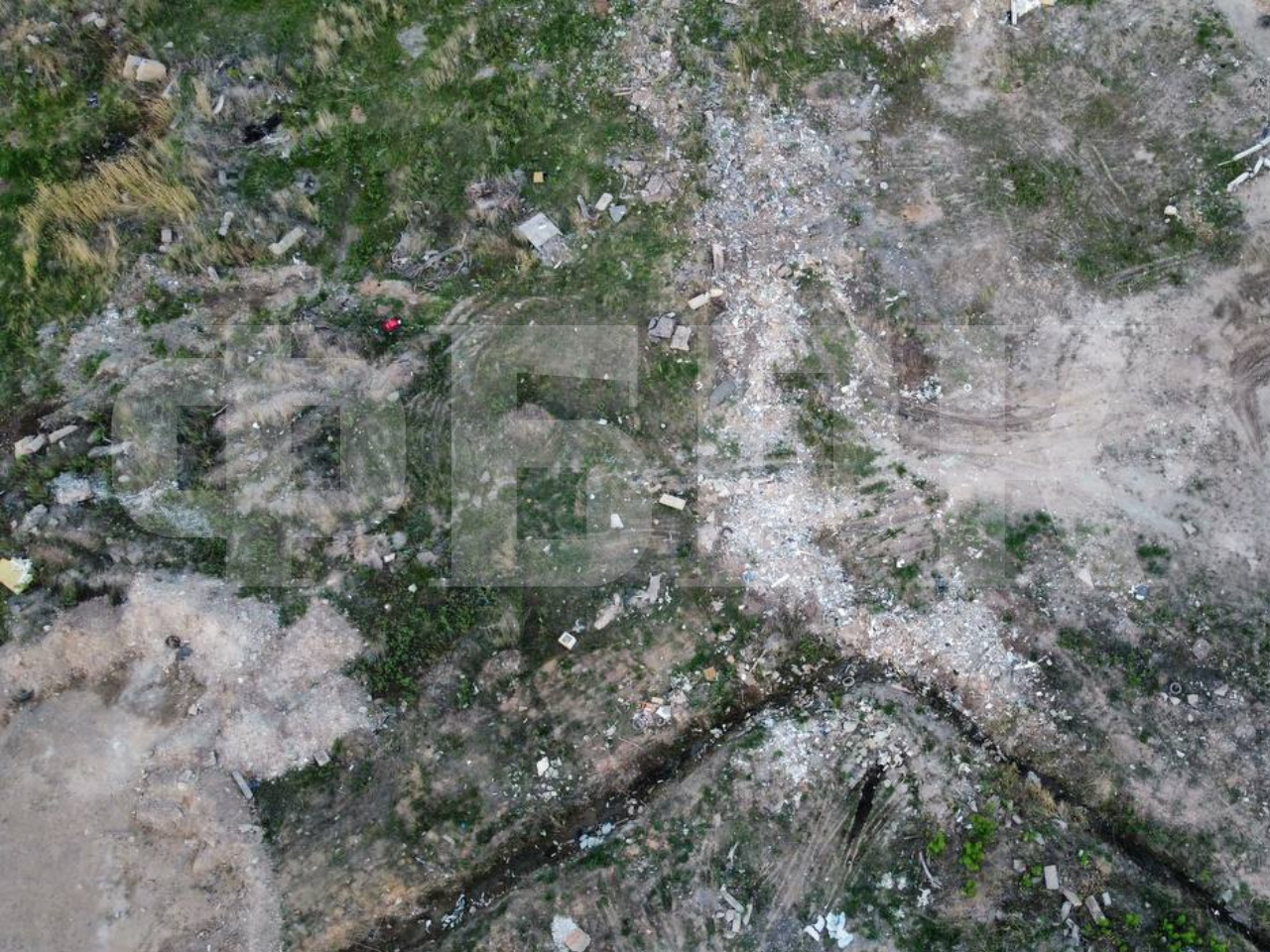
A few kilometres from the government buildings of Astana, a large-scale unauthorised dump has been discovered, covering approximately 11,000 sq m on land designated for housing construction.
The plots are linked to companies affiliated with millionaire Vladimir Dzhumanbayev from the Forbes list, who in 2024 was at the centre of an international scandal involving allegations of funding an organised criminal group.
Komfort Stroy LLP, which has owned the plot since October 2022, was supposed to use the land for the construction of an apartment building, but instead of building, an illegal dump operates on the site.
In response to a request from the CIB editorial board, the Department of Environmental Protection reported that materials regarding this dump had been sent to the Ecology Department to consider the possibility of an unscheduled inspection. Meanwhile, we have sent an additional request to the Department asking to be informed about the work carried out to clear the identified dump.
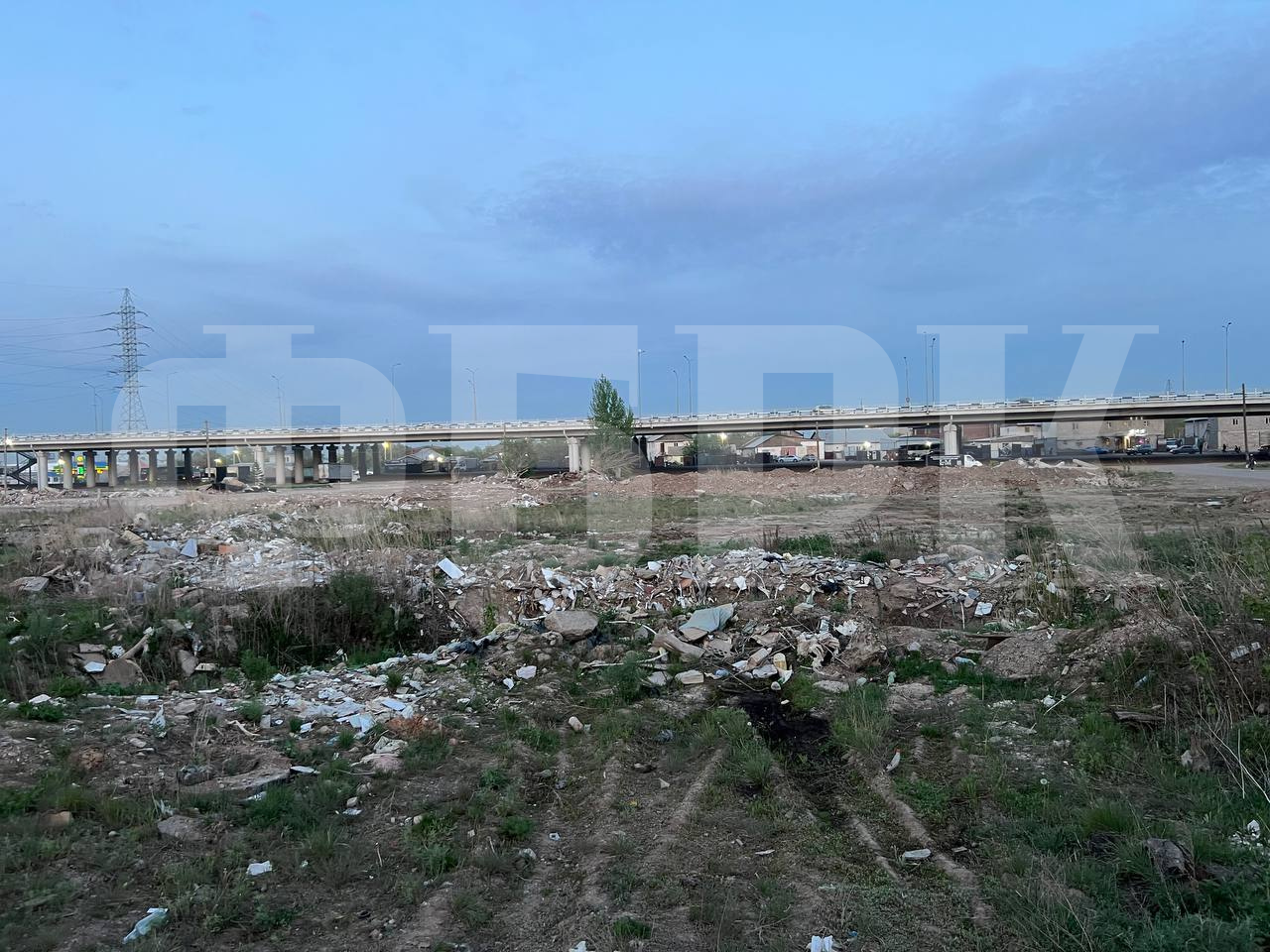
MEDICAL WASTE: DANGEROUS BURNING IN THE CITY CENTRE
The CIB, together with the Association of Legal Entities 'Euro-Asian Association "Green Economy"', uncovered facts of the allegedly illegal burning of medical waste on the outskirts of Astana in the Saryarka district. Video footage from a drone captured the process of destroying hazardous waste in a makeshift furnace inside a shipping container, accompanied by the emission of dense black smoke and a characteristic chemical smell.
As the CIB editorial board discovered, the land plot belongs to Akryrys2037 LLP, and the disposal process may involve KazMedProf LLP — a company with debts of 1.24 million tenge and the status of an unscrupulous participant in public procurement following a scandal involving the theft of tobacco products from the Financial Monitoring Agency (AFM). The facility is not equipped with filtration systems or safe heat treatment technologies, posing a direct threat to the environment and the health of local residents.
The Ecology Department temporarily suspended the inspection regarding KazMedProf LLP due to a complaint received about the department's actions, but the case remains under review by the state authorities and will be considered in accordance with established procedure.
SYSTEMIC PROBLEMS AND THEIR SOLUTIONS
Meetings with authorities revealed key problems in the environmental control system. The Ministry of Ecology is facing ignored letters from the Department for Land Resource Management of the Akmola Region. As Vice-Minister Aliyev noted, the ministry merely coordinates actions and gives recommendations, while inspections and control are carried out by other bodies, and the ministry itself does not have the authority to conduct inspections.
Doskulov admitted that increasing the waste collection tariff from 390 to 700 tenge was his own initiative, despite the absence of relevant requests. When asked about the rationale for such a decision, he explained that the additional funds would supposedly allow waste transportation companies to perform their work more effectively. However, this justification raises doubts, given the facts of companies using illegal landfills.
CONSTRUCTIVE CHANGES
The active work of journalists and the public has contributed to improving the environmental situation in the region. With the participation of the media and civil society, the Ministry of Ecology officially recognised the illegality of the Koyandy landfill and referred the case to court. Two waste transportation companies changed their practices and stopped taking waste to illegal sites following recommendations from the authorities. The authorities have begun implementing modern GPS systems to monitor waste collection, which allow real-time tracking of violations and the collection of evidence for fines.
Daulet Doskulov expressed a willingness to cooperate with activists and journalists, providing us with a direct contact for reporting dumps around the city. He acknowledged the problem of a formal approach to citizens' appeals, stating: 'The Department does not always fully read the letters it receives, and therefore some problems remain unresolved.' The very admission of this problem by the head of the department is an important step towards solving it.
CONTINUING THE FIGHT
The CIB continues its systematic work to monitor the environmental situation in the capital region. Plans include regular checks on the condition of identified dumps, obtaining detailed GPS monitoring data to calculate environmental damage, and constant oversight of officials' promise-keeping.
Our editorial board will continue to interact with the authorities on a constructive basis, using established contacts with the heads of relevant departments for a prompt response to new violations. Particular attention will be paid to monitoring the implementation of GPS control systems and their effectiveness in combating illegal dumps.
CONCLUSIONS
The CIB investigation has clearly demonstrated the effectiveness of systematic journalistic oversight of compliance with environmental legislation. Thanks to focused work, it was possible to secure the recognition of serious violations at the state level, change the practices of waste transportation companies, tighten penalties, and establish direct contacts with responsible officials.
However, many problems remain relevant: illegal dumps continue to operate, promises by authorities are not always fulfilled within the set deadlines, and coordination between various departments requires significant improvement. This underscores the critical need for constant public oversight and professional journalistic monitoring of the environmental situation in the capital region.
The CIB does not intend to rest on its laurels and will continue its active work to protect the environmental rights of citizens, monitor the fulfilment of promises by authorities, and identify new violations of environmental legislation. Only a systematic approach, constant public pressure, and constructive interaction with the authorities can ensure real positive changes in the field of environmental safety in Astana and the surrounding areas.
To be continued…