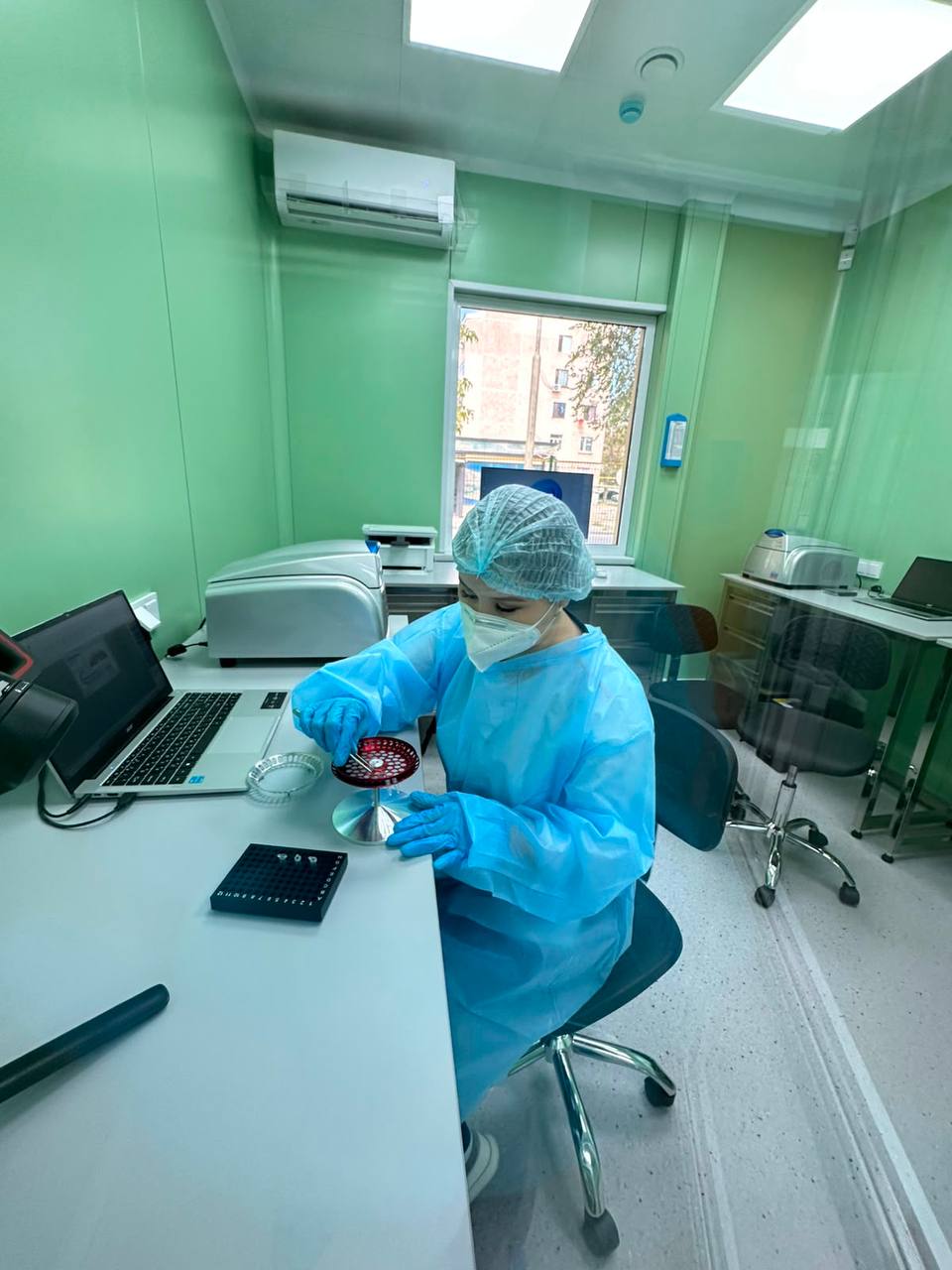
A modern virology laboratory, established with the support of the Pandemic Fund, has opened in Turkestan. The facility is intended for conducting diagnostic research and strengthening epidemiological surveillance.
WHY TURKESTAN NEEDED A LABORATORY
According to the Ministry of Health, the laboratory was established by the Government of the Republic of Kazakhstan as part of the Pandemic Fund country project with the support of the World Health Organization (WHO) and assistance from the United Nations Development Programme (UNDP).
Before the facility opened, Turkestan Region did not have its own specialised virology laboratory. Biological samples for testing had to be sent to other regions of the country.
WHAT WILL CHANGE AFTER THE LABORATORY OPENS
The new laboratory allows research to be conducted directly in the region. It is noted that this should shorten diagnostic testing times and improve access to laboratory services for the population.
The facility is also intended to strengthen epidemiological surveillance in one of the most densely populated regions of Kazakhstan.
WHO SUPPORTED THE ESTABLISHMENT OF THE LABORATORY
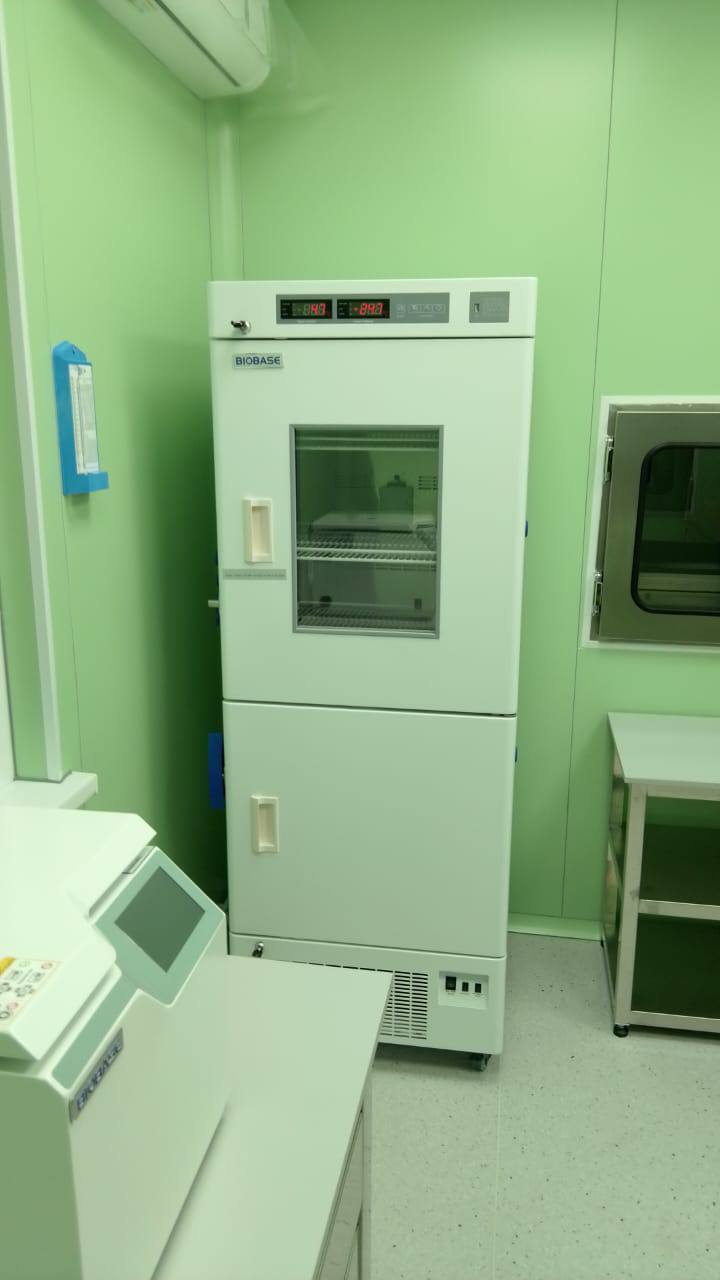
The Pandemic Fund grant is aimed at strengthening the national public health system. Among the priorities are the development of epidemiological surveillance, modernisation of laboratories, ensuring biosafety and biosecurity, early detection of infectious threats and response to disease outbreaks.
The programme also provides for strengthening infection control and developing the human resources potential of the healthcare system.
WHO TOOK PART IN THE OPENING
The ceremony was attended by First Vice-Minister of Health Timur Sultangaziyev, Senior Health Economist at the World Bank and Senior Portfolio Manager of the Pandemic Fund Amparo Elena Gordillo-Tobar, representative of the Head of the Pandemic Fund Priya Basu, WHO representative in Kazakhstan Skender Syla, as well as representatives of UNDP, the National Centre of Expertise and local executive bodies.
Timur Sultangaziyev noted that having its own laboratory for a large and densely populated region matters primarily in terms of the speed of diagnosis and rapid response to infectious threats.
Priya Basu emphasised that investment in laboratory infrastructure expands access to timely diagnosis and strengthens epidemiological surveillance capabilities. Skender Syla linked the development of the laboratory system to Kazakhstan's readiness to respond to infectious threats and noted the co-operation between the government, WHO, the World Bank, UNDP and the Pandemic Fund.
After the symbolic ribbon-cutting, participants familiarised themselves with the laboratory infrastructure and equipment.
CONTEXT
Previously, FBRK wrote that private laboratories in Kazakhstan cannot independently conduct diagnostics for brucellosis. The restriction is due to the fact that the causative agent of the disease belongs to the second pathogenicity group.
This creates a contradiction: a private laboratory cannot carry out a test directly for brucellosis, but it can work with a patient after the diagnosis has been confirmed and perform other tests, despite the presence of antibodies in their blood. Representatives of the laboratory community believe that this limits patients' ability to obtain a second opinion and undergo diagnostics more quickly.
The problem is particularly noticeable for residents of remote areas, since such tests are carried out only by state laboratories, of which there are not enough. Patients sometimes have to travel hundreds of kilometres to submit the necessary test.
Over 10 years, more than 8,800 cases of brucellosis among humans have been registered in Kazakhstan. Representatives of the private laboratory sector link the limited availability of diagnostics to the risk of delayed detection of the disease.