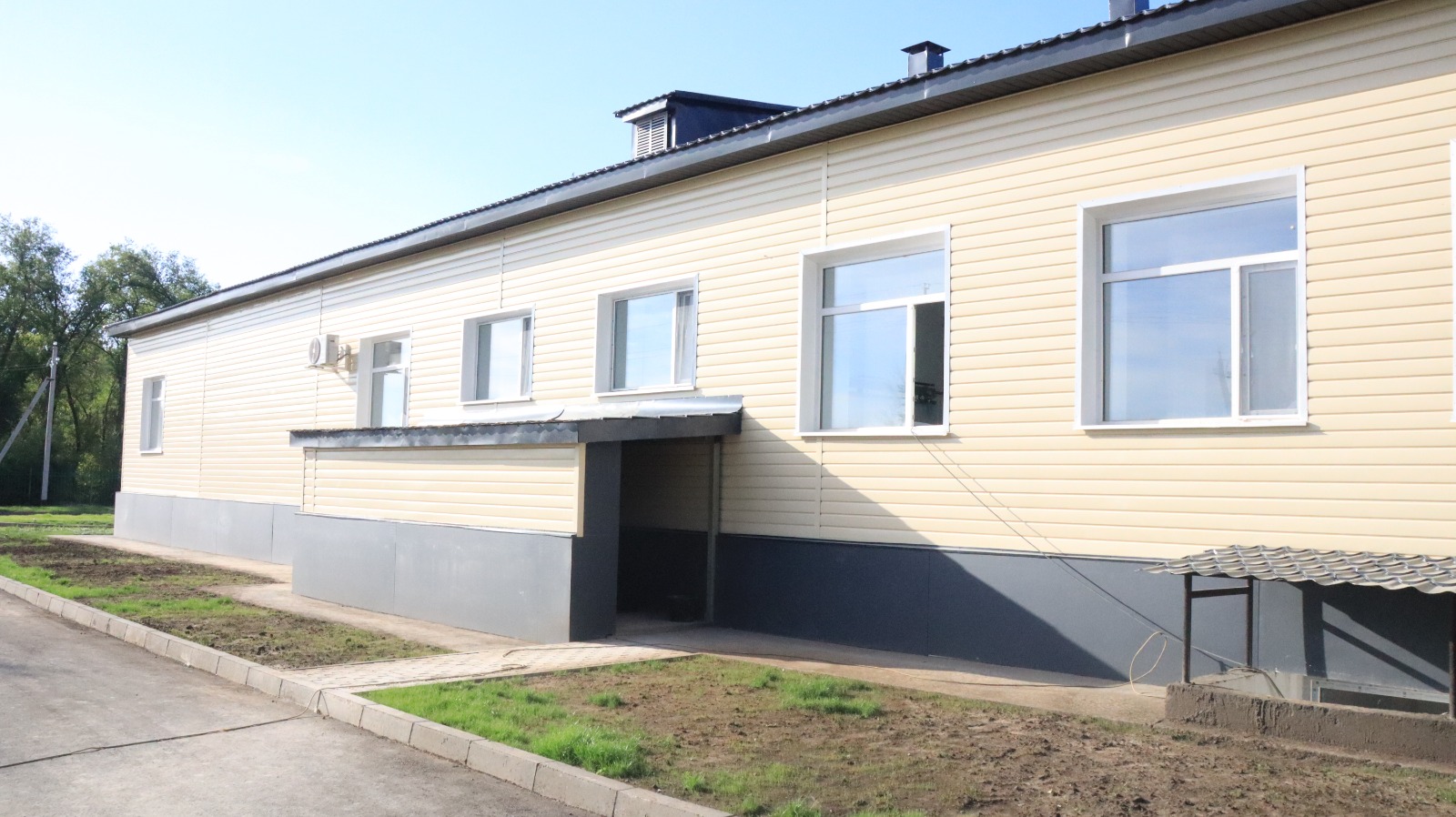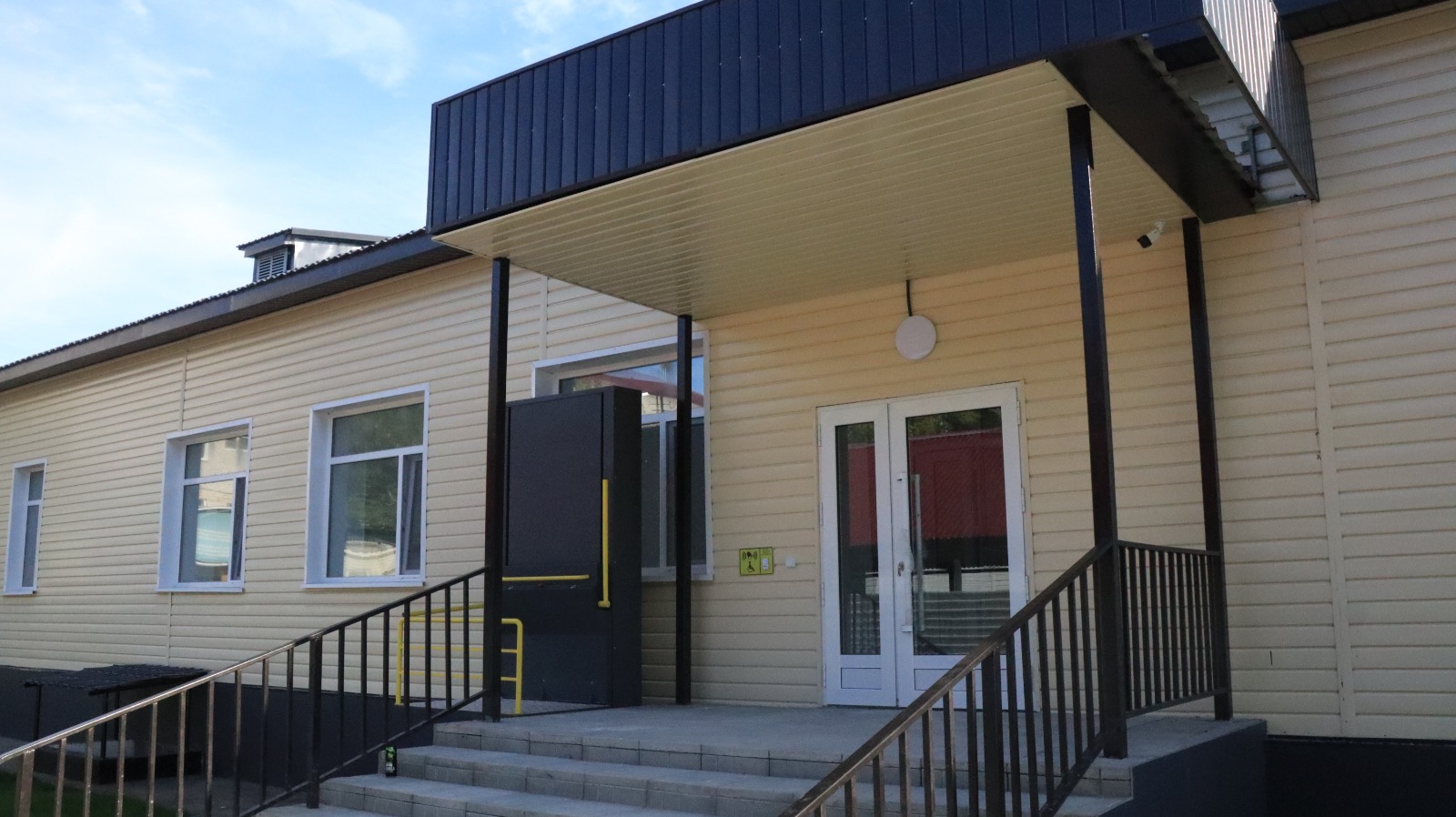
In the Urdzhar district of the Abai region, a Percutaneous Coronary Intervention (PCI) Centre is being built with 12 beds - a specialist unit for emergency heart surgery without opening the chest cavity. The nearest existing centre for such operations is 175 kilometres away, in Ayagoz. Last year, 189 patients from the district had to be transported there.
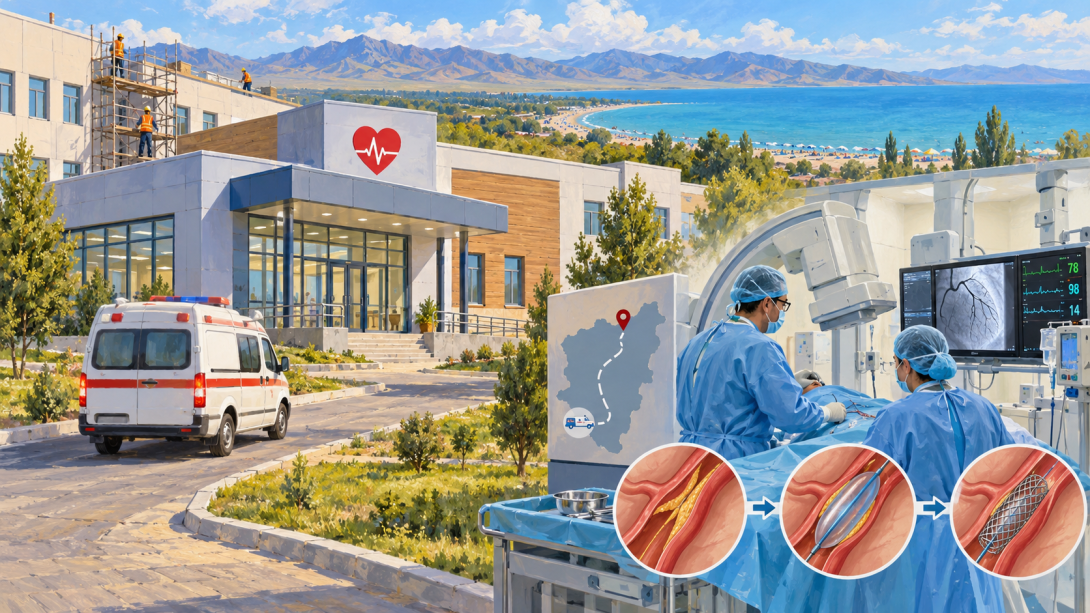
WHAT THE NEW CENTRE WILL INCLUDE
As reported by IA "Objektiv Vostok", citing the acting chief physician of the state utility enterprise on the right of economic management, the "Multidisciplinary Central District Hospital of Urdzhar District" under the Department of Public Health of the Abai region, Amanzhol Iskakov, the project is being implemented as part of the national project to modernise rural healthcare. The contractor is AKM Invest Group LLP. The total cost of the project is 3.1 billion tenge. Construction is at its final stage.
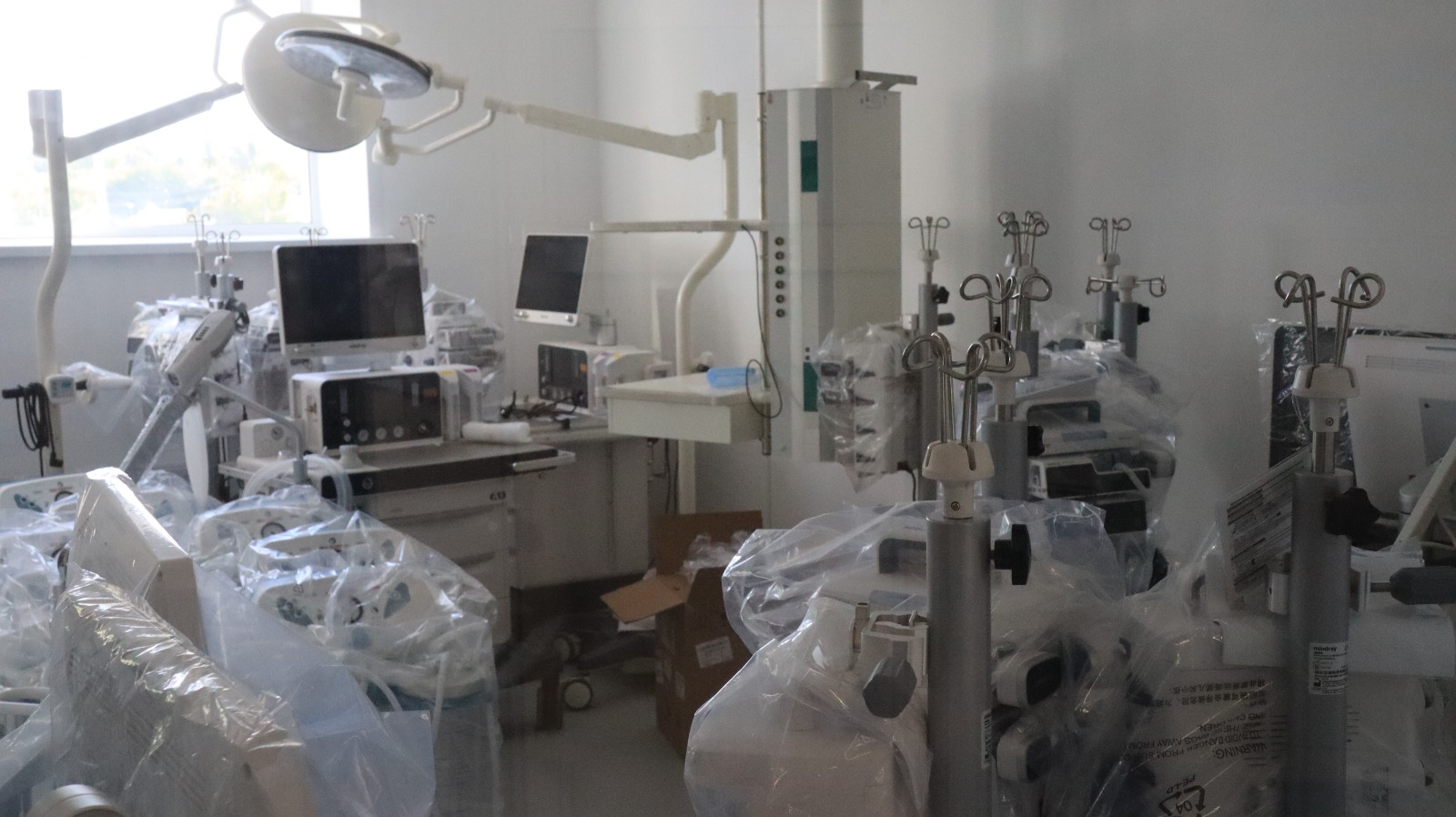
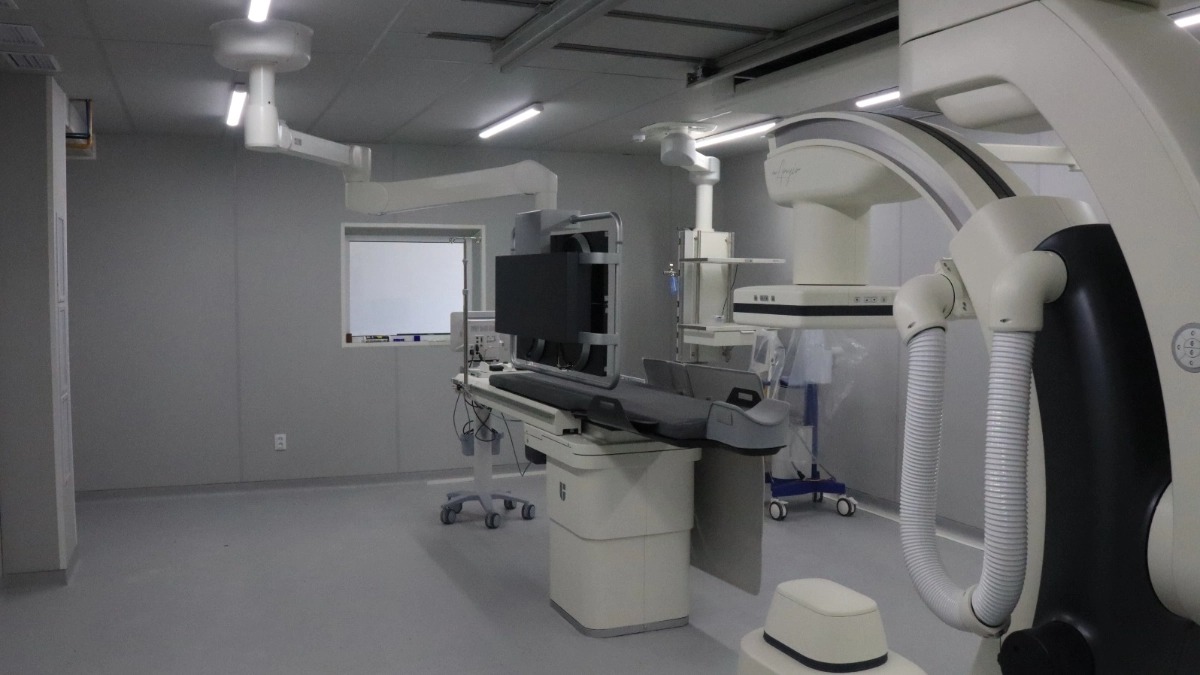
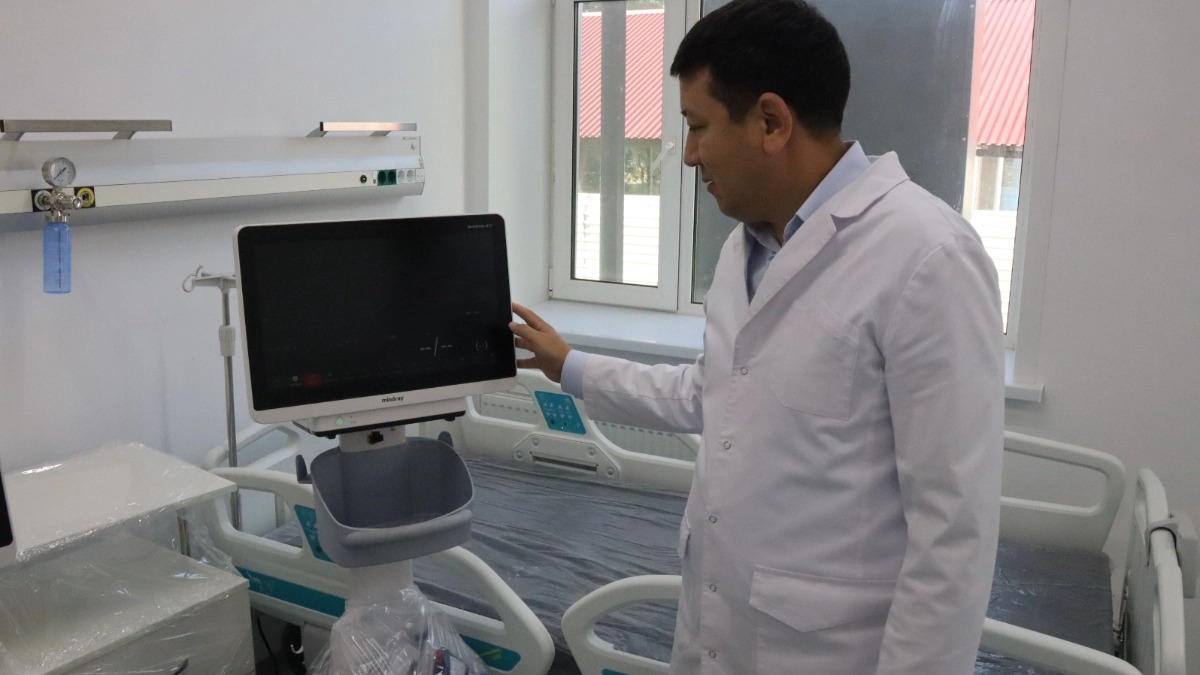
The centre will be housed in a separate annexe. The key piece of equipment will be an angiograph - a high-precision machine for examining blood vessels. All wards will be fitted with ventilators and individual monitors for each patient.
"Percutaneous coronary intervention is a way to restore blood flow in a coronary artery without open surgery. The procedure is used when the vessel supplying the heart muscle is significantly narrowed or completely blocked. Through a small puncture in an artery - most often in the wrist - a thin catheter is inserted and guided to the coronary arteries under X-ray control. If the artery is narrowed, a special balloon is fed through the catheter and inflated briefly. In many cases, a stent is then inserted - a metal mesh structure that prevents the artery from narrowing again. The chest cavity is not opened during this procedure," explained Amanzhol Iskakov.
He also stressed that in the event of a myocardial infarction, PCI is particularly important to carry out as quickly as possible: the longer the heart muscle remains without normal blood flow, the greater the damage.
WHEN DISTANCE BECOMES A DEATH SENTENCE
Today, medical care in the Urdzhar district and the Makanshi district is provided to 57,519 people across a territory with a service radius of over 410 kilometres. The medical network includes 15 doctor's surgeries (outpatient clinics), six midwifery/obstetric points and 13 medical posts in the Urdzhar district; in the Makanshi district there are nine doctor's surgeries, two midwifery/obstetric points and six medical posts.
The system also serves 16 border outposts, three commandant's offices, the personnel of the border military unit and their families, as well as workers at the Zhalanashkol open-pit coal mine.
"The 'golden hour' in a heart attack is not just a figure of speech. The faster a patient reaches specialists and receives the necessary care, the higher the chances of saving their life and avoiding severe consequences. In such situations, every minute truly counts. Currently, patients with acute cardiac conditions from the Urdzhar district are sent to the centre in Ayagoz. In 2025, 189 people were transported there," said Amanzhol Iskakov.
According to Amanzhol Iskakov, for a large city, a distance of 175 kilometres might not seem that great, but in an emergency it becomes a serious risk factor. One must take into account the length of the district itself, the condition of the roads, weather conditions, and the time needed first to bring a patient from a remote settlement to the district hospital, and then to transport them on to Ayagoz.
The Urdzhar district is separated from Semey by around 560 kilometres. Therefore, relying on the rapid transport of seriously ill patients directly to the regional centre is also impossible.
This is particularly critical for the Urdzhar district because of its geography. A large territory means that even a relatively short distance to a neighbouring town can turn into a race against time for an emergency patient. In summer, the situation is further complicated by a sharp increase in the number of people in the area.
THE LAKE ALAKOL FACTOR
The Urdzhar district borders Lake Alakol, where more than a million holidaymakers arrive in the summer. During the tourist season, the strain on the medical service increases sharply, and the risk of emergencies - including cardiac ones - rises.
The project is being implemented in accordance with the approved design documentation. Quality control, adherence to deadlines and compliance with safety requirements are all provided for during the construction and installation work.