The notoriously famous blogger Kaisar Kamza, who spent almost six months hiding abroad, is now returning to Kazakhstan. This was reported by journalist Mikhail Kozachkov, who published photographs from Cam Ranh airport in Vietnam, where Kamza was captured next to a man resembling an officer of the Agency for Financial Monitoring (AFM).
HOW THE BLOGGER ENDED UP ON THE WANTED LIST
As "Kozachkov offside" writes, an audience of 2 million followers on Instagram, built on "trash content," and a closed Telegram channel with more than 400 thousand subscribers made Kamza a convenient channel for promoting gambling. It is reported that he advertised an online casino banned in Kazakhstan and received significant fees for it - in cryptocurrency alone, almost $200 thousand was found on him.
On 14 January 2026, the AFM placed the blogger on the international wanted list, and the court authorised pre-trial detention and the seizure of crypto assets. 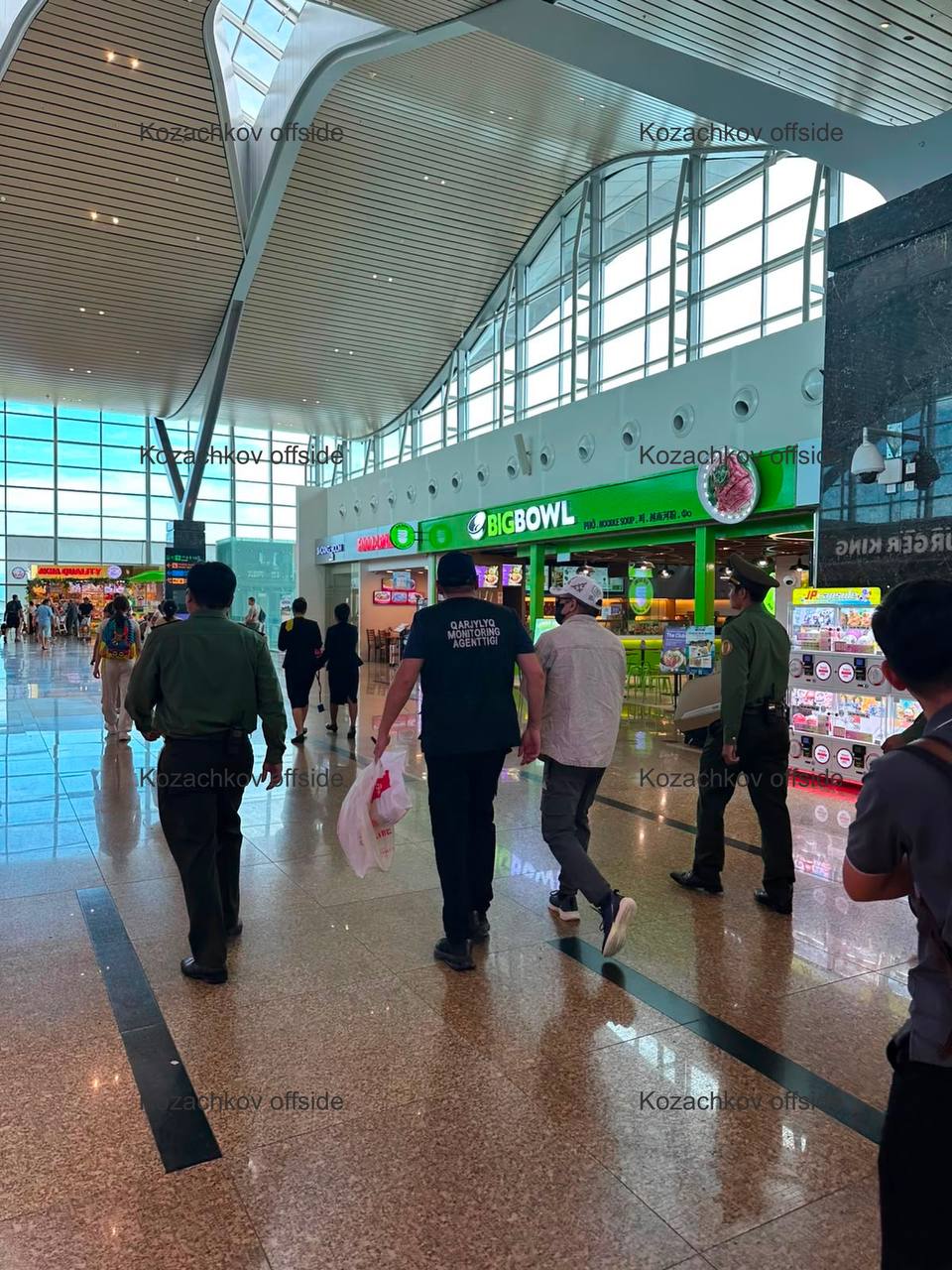
THE ESCAPE, DETENTION AND DENIAL OF ARREST
When the scheme was exposed, Kamza left for Southeast Asia. In April 2026, Vietnamese security forces detained him in the city of Cam Ranh at the request of the Prosecutor General's Office of Kazakhstan.
Already in May, the blogger recorded a video from Vietnam in which he claimed that he had not been arrested, but that his passport had merely been confiscated by the local immigration service while he was in Nha Trang. However, fresh photographs from Cam Ranh airport show that the story is not over for the blogger.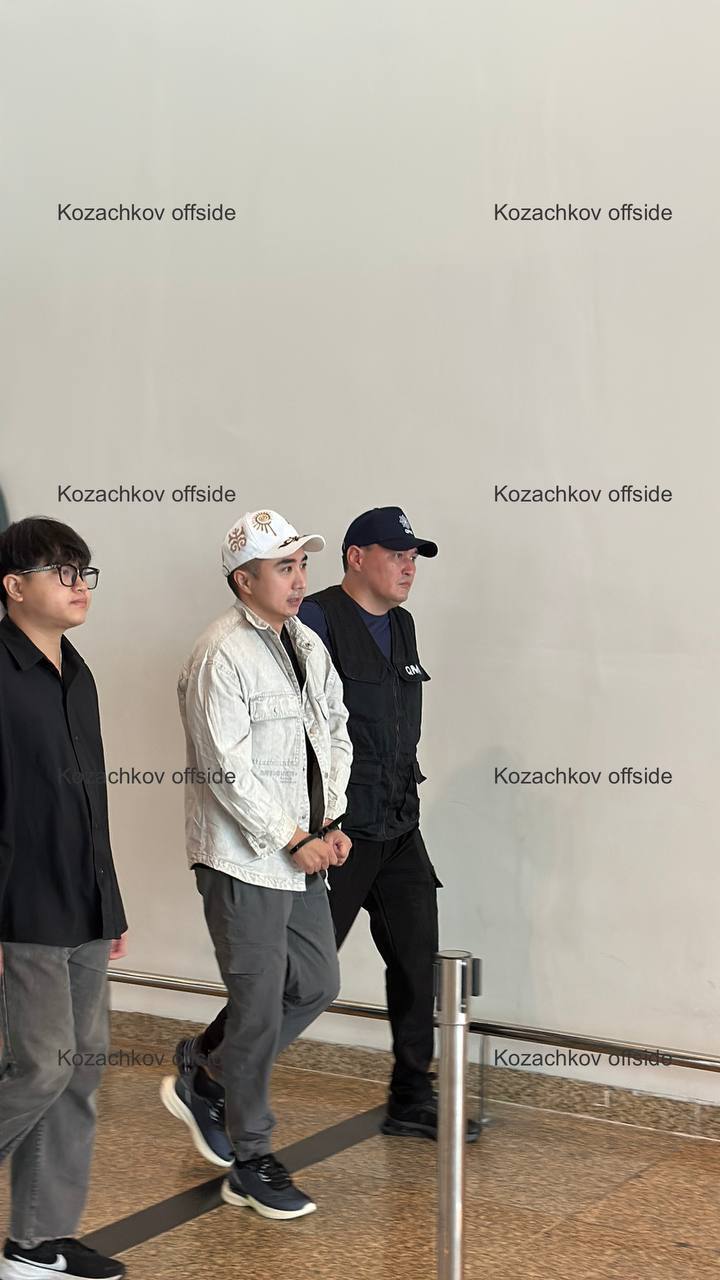
WHERE DOES "PIN-UP" FIT IN
The blogger's case is part of a larger investigation into an online casino operating under the banner of the bookmaker "PIN-UP", officially licensed in Kazakhstan, although users were directed to sites with roulette and other prohibited games.
According to the Telegram channel "Payments Shield in the CIS", the volume of illegal transactions exceeded 600 billion tenge (around $1.2 billion). The scheme involved representatives of more than 35 payment companies, top managers of four banks and Kazpost. Security forces conducted over 70 searches, and more than 250 people are implicated in the case.
On 2 February 2026, the AFM placed on the wanted list two figures in the case - US citizen Dmitry Druzhinsky and Ukrainian citizen Marina Levkovich (Ginzburg), who, according to the investigation, coordinated the casino network under the brands Pin-Up and PINCO through a number of affiliated companies, including Bonami LLP and the payment aggregators Gold Pay LLP and Cyber Pay LLP.
Also implicated in the case is Russian citizen Ilyas Karimov, who, according to some reports, was a key intermediary responsible for the operational support and payment schemes of Pin-Up in Kazakhstan; in the technical side, he may have been assisted by Rustam Iskindirov, co-founder of Prime Agency and Qubit IT Agency.
According to the Telegram channel "VChK-OGPU", Ilyas Karimov positions himself as a lawyer and "assistant to the Russian ambassador." Since 2023, together with Rafik Jafarov, he has received more than $2 million in cryptocurrency for resolving the licensing matter of Bonami LLP. Since autumn 2024, as the source claims, between 10 and 110 billion tenge has passed through shell companies and the Intebix crypto exchange. At the same time, the channel notes that despite the criminal case on grounds of organising illegal gambling business, Karimov does not officially appear in it - there is no data on his procedural status in open sources.
Furthermore, there is information that Karimov oversaw the creation of a network of payment organisations and acquiring channels for receiving and withdrawing funds, and was also involved in a scheme to bypass the freezing of accounts at one of the banks in autumn 2025.