
A powerful earthquake measuring 5 on the intensity scale struck Almaty. Residents of the city felt tremors at 11:22. Sirens then went off.
According to the Ministry of Emergency Situations of the Republic of Kazakhstan, the epicentre of the earthquake was located 31 km south of Almaty, on Kazakh territory. 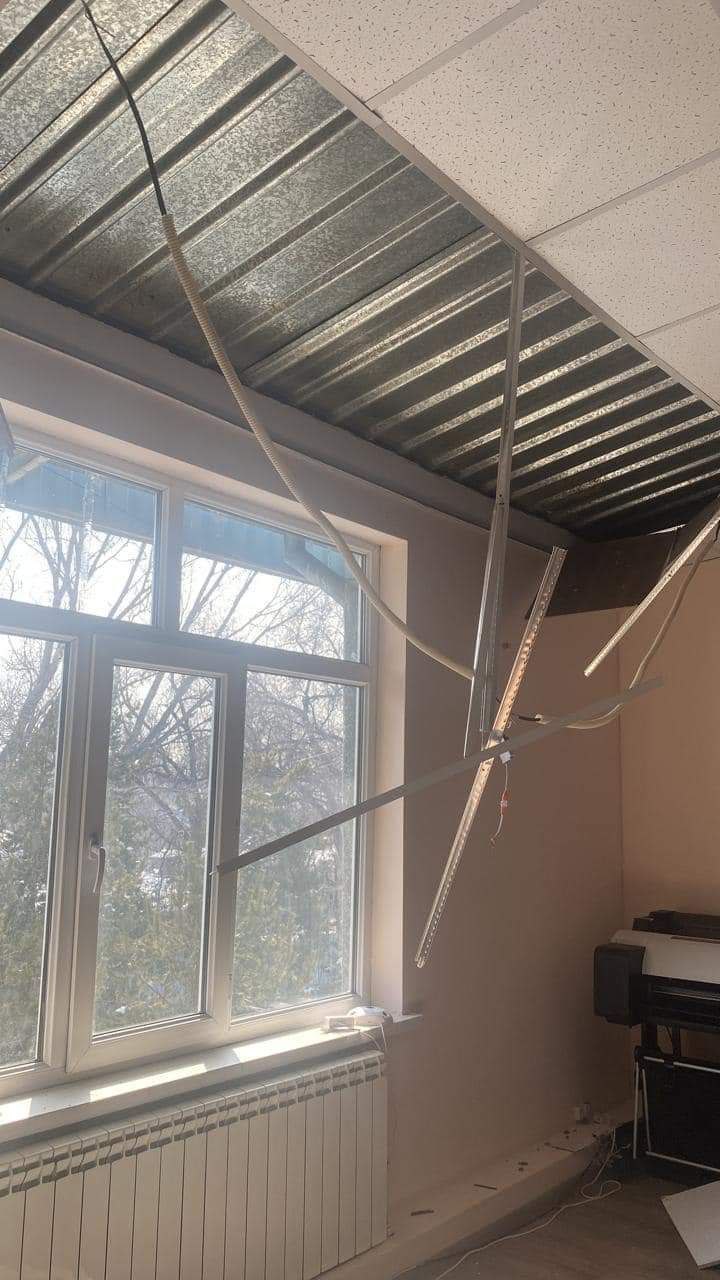
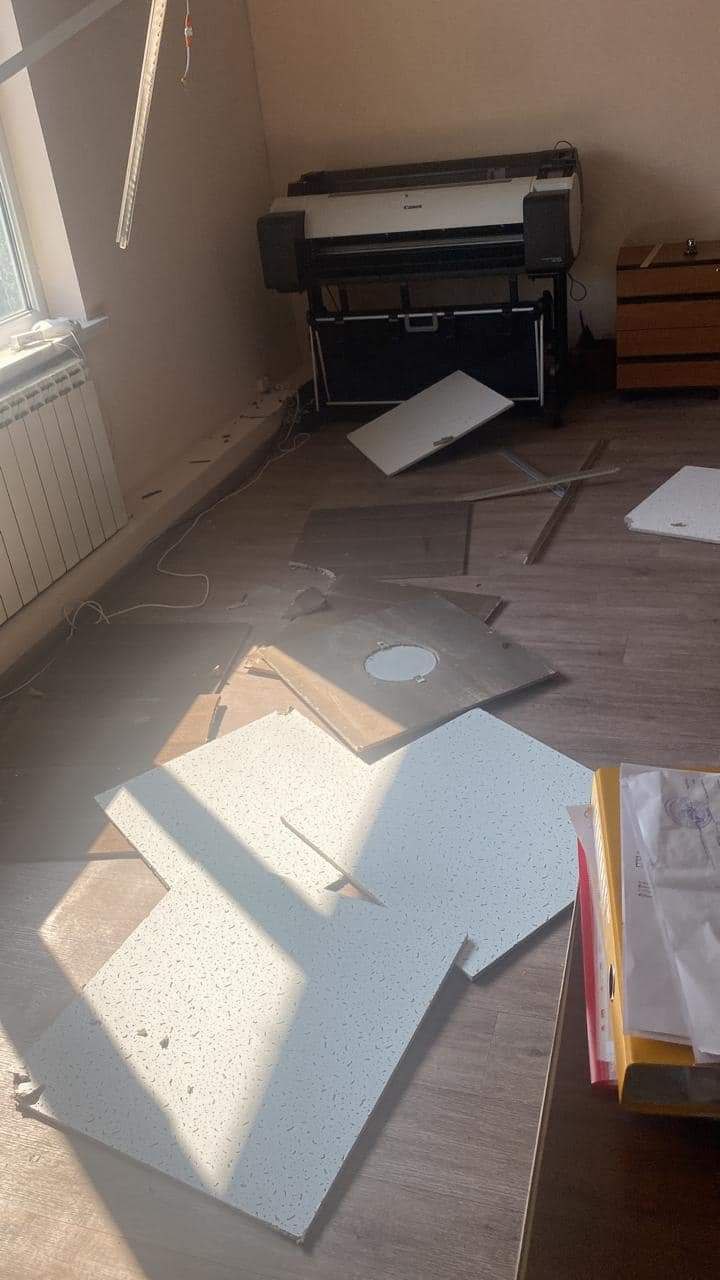
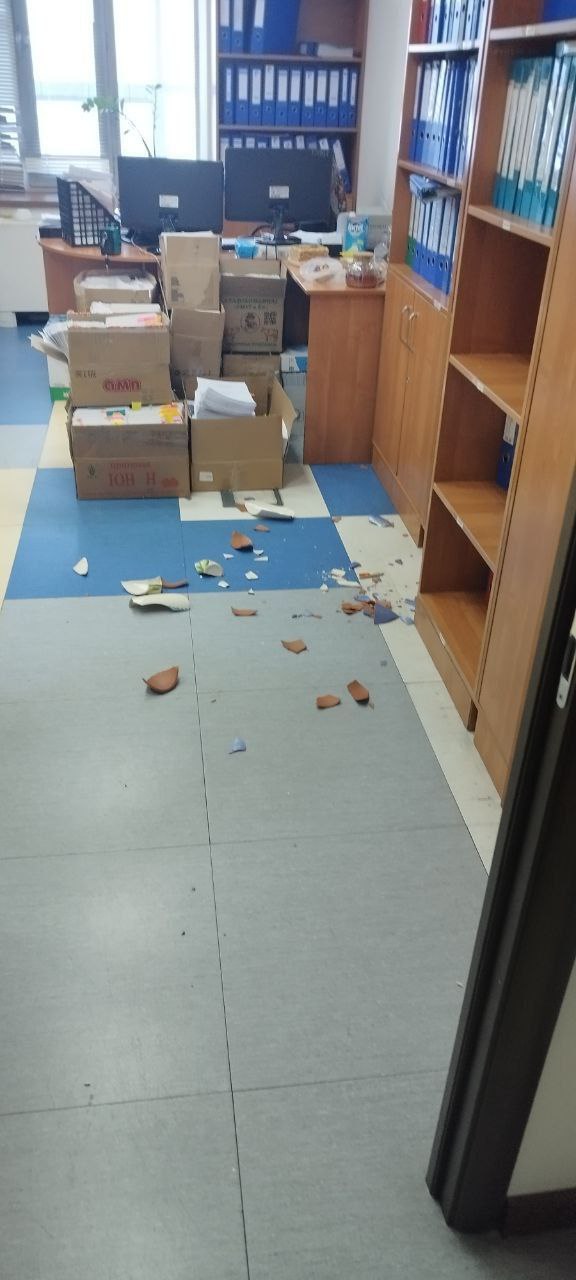
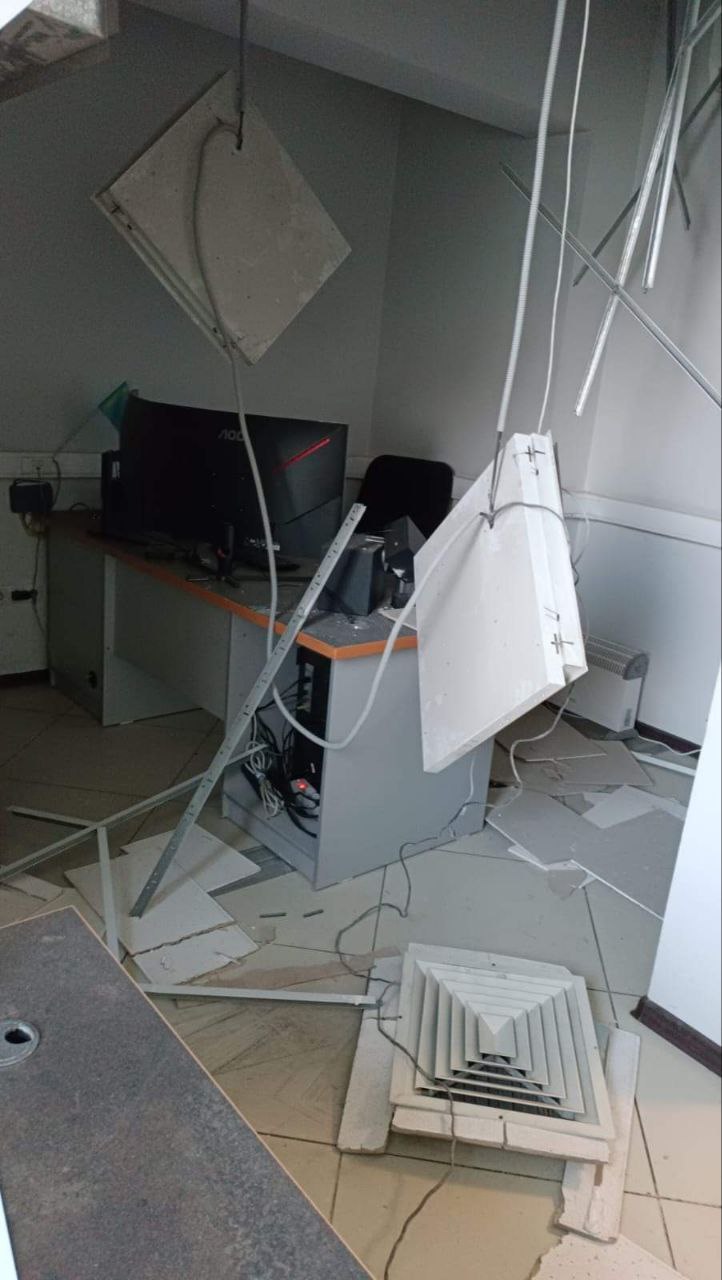
Meanwhile, the head of the city's department for emergency situations, Nurlan Atygayev, noted the risk of further aftershocks in the near future. He advised residents to follow safety precautions.
According to the '2GIS' app, traffic jams formed across almost the entire metropolis, with road congestion rated at 10 points. Taxi drivers, in their usual manner, raised their prices several times over.
The airport and railway stations are operating as normal. The metro service has been temporarily suspended. According to information from Almaty's district akimats, 384 reception points have been set up in the city, housing 371 people, including 39 children. No reports of casualties have been received.
It has also been reported that SMS alerts about the earthquake began arriving 20-40 minutes later, following the strong tremor, and the siren only went off after the shaking had occurred.
It will be recalled that on the night of 23 January, an earthquake with a magnitude of 6.7 occurred 264 km from Almaty. Following this, apartments in the city began to shake, and many residents ran outside. The reported intensity was 5 points. Subsequent aftershocks were also recorded.
After the earthquake, residents had many questions for the Almaty authorities. For example, residents of the metropolis were puzzled as to why the public warning system for emergencies had not been activated.
The head of the Almaty Department for Emergency Situations, Nurlan Atygayev, then stated that "sirens are only activated when earthquakes with a force of more than 5.5 points are recorded", whereas, according to his assurances, the amplitude at that time was only 4-5 points.
Furthermore, residents of the southern capital complained that earthquake notifications via SMS did not reach them in time. The Department for Emergency Situations told them that mobile network operators could not process the information quickly enough, and consequently, timely information arrived late.
At a meeting on seismic safety issues, the dissatisfied President of the Republic of Kazakhstan, Kassym-Jomart Tokayev, instructed the Anti-Corruption Service together with the Prosecutor General's Office to investigate what exactly the budget funds allocated for the warning system had been spent on.
As we can see, history is repeating itself almost exactly, and the problem has still not been resolved.