In Kazakhstan, a whole industry of pseudo-specialists has emerged, making money from people's desire to quickly change their lives. Social media feeds this demand daily, promoting an image of a "successful life", which leads to wastefulness, debt and disappointment.
A COURSE FOR HALF A MILLION: CHELPEKI AND LETTERS TO YOURSELF
The scheme is standard: flashy content about success, a promise of transformation, and payment for the course. For example, a resident of Astana, Meruert Raisova, paid over 500,000 tenge for a 20-day online course with a popular "psychologist" and received nothing but emailed assignments, reports the publication 24KZ. There were no live sessions: questions could only be asked for an additional fee. As part of the "therapy", she was told to bake chelpeki, smile, and write letters to herself. The goal was to improve her relationship with her parents, but in the end, it only made things worse.
Such "specialists" do not just offer advice – they influence people's psycho-emotional state without any professional basis. Majilis deputies have called the situation systemic.
SOCIAL MEDIA AS A GENERATOR OF WASTEFULNESS
The mechanism works in two stages. First, social media shapes an image of the "right" life: an expensive smartphone, designer clothes, dinner at a restaurant – all of this appears daily in the feed as normal. Creators show only the best moments, never publishing their struggles or failures. Constant comparison with someone else's filtered reality creates psychological pressure and a feeling of inadequacy.
Then, pseudo-experts enter the scene – coaches, personal growth trainers, "online psychologists". As noted during the discussion of the bill by Majilis member Olzhas Nuraldinov, the online environment has become the main channel for the dissemination of such services, including advice from foreign bloggers and influencers who have no professional training but make money from it. The outcome is predictable: people spend money they don't have, take out loans for courses, and cut into the family budget. Wastefulness in this context means not just financial loss, but also the time, effort, and emotional energy invested in emptiness.
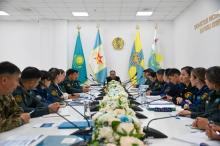
The demand to counter this culture is already turning into concrete action. On May 13, a project titled "Zhasar Ysyrapşyldyqqa Qarsy" ("Youth Against Wastefulness") was launched in community centres in Almaty: a series of meetings with young people about conscious consumption, loans for the sake of "image", and the influence of social media on financial behaviour. The initiative will cover educational institutions and youth centres in the city.
THE PROBLEM HAS BEEN BUILDING FOR YEARS
The issue has been raised in the Kazakh parliament before. In October 2025, deputy Aidos Sarym highlighted pseudo-psychological "academies" that extort money and create dependency. In November 2025, senator Amangeldy Yesbay called for legislative regulation of this sphere, pointing to cases of interference in private life and "advice" that left people worse off. There was previously no legal regulation: essentially, anyone could call themselves a psychologist and offer paid services without education or any responsibility towards the client.
WHAT THE DEPUTIES ARE PROPOSING
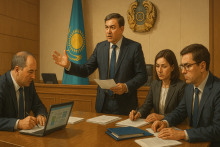
The bill "On Psychological Activity" has passed its first reading – revisions lie ahead, and the final form of the document is not yet known. In its current version, according to deputy Aina Musralimova, it proposes a clear distinction: only a specialist with confirmed qualifications, included in the state register, will be able to call themselves a psychologist. At the same time, fines for violating the rules of providing psychological assistance are being discussed. How strict the restrictions will be after adoption remains to be seen in the final text.