Public discussions were held in Semey on the issue of building a nuclear power plant (NPP) in Kazakhstan. Meeting participants discussed plans and prospects for the development of nuclear energy in the country, as well as issues of safety, environmental friendliness, and the economic efficiency of constructing an NPP. 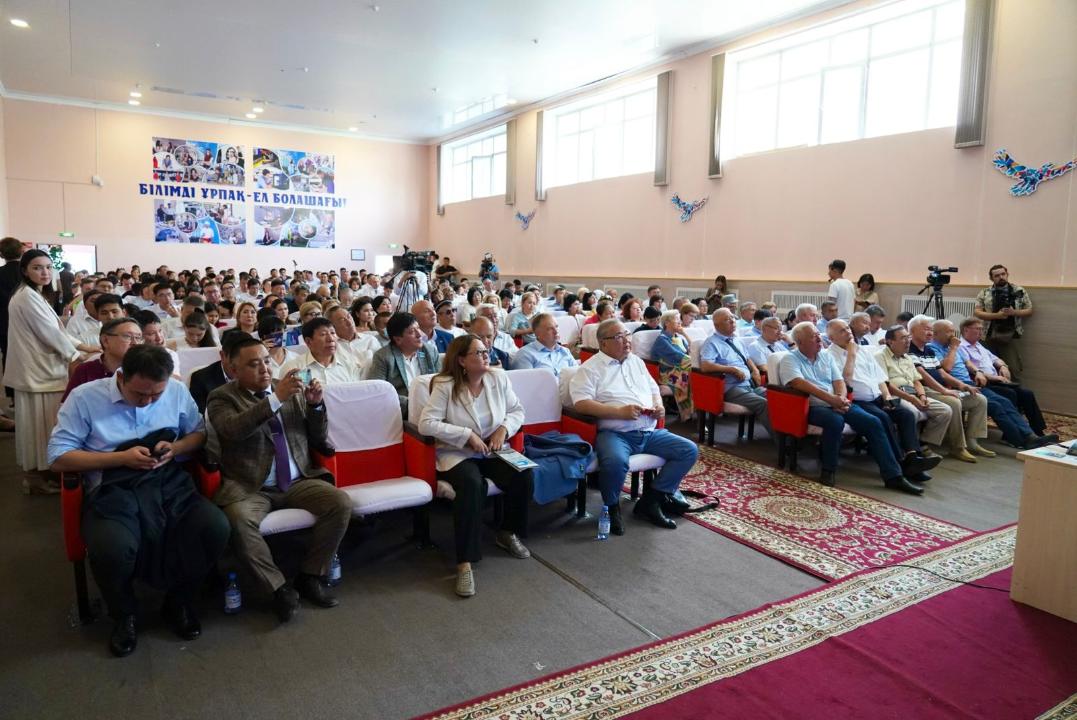
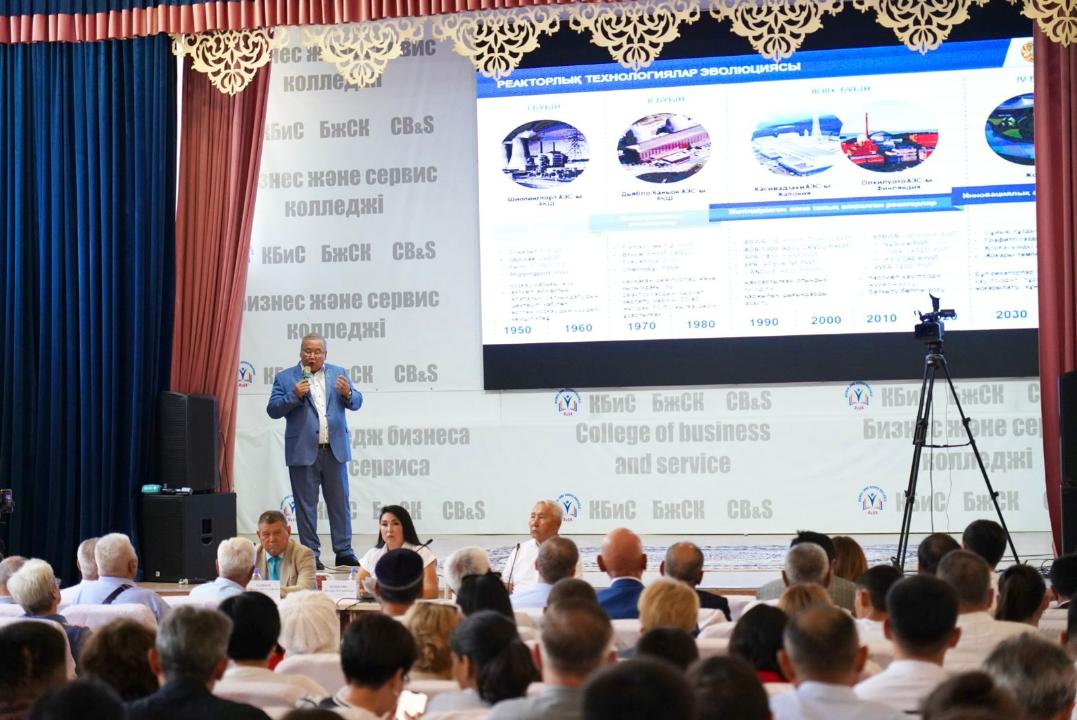
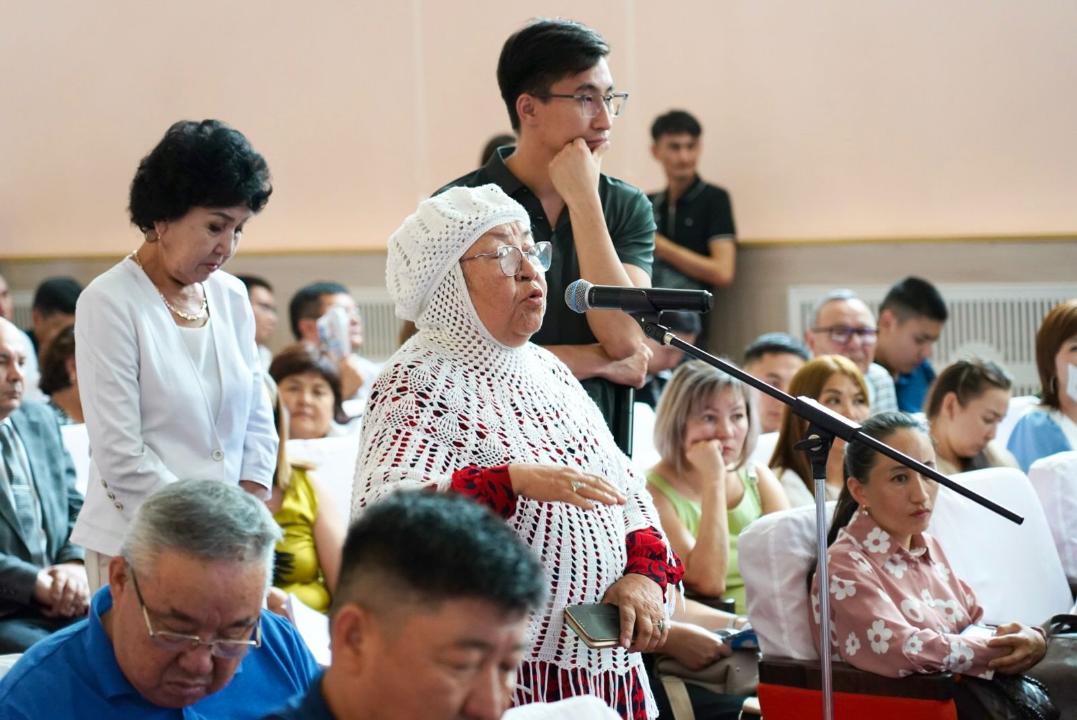
According to the press service of the Ministry of Energy, the event was attended by representatives of local executive bodies and public councils, deputies, members of environmental organisations, energy experts, scientists, and local activists.
The meeting was organised by the Association of Legal Entities 'Civil Alliance of Kazakhstan'. Representatives from the Ministry of Energy, Kazakh Nuclear Power Plants LLP, the National Nuclear Centre, and the Institute of Nuclear Physics acted as experts.
The key issues of public interest were the financing of the NPP's construction, the process of disposing of used water and waste from the nuclear power plant, and the availability of competent specialists to maintain it.
As the department notes, experts provided detailed explanations on all topics. In particular, it is assumed that the considerable costs of building the NPP will gradually be offset by the 'low operating cost' of the nuclear power plant, as well as the long service life of the facility.
Specialists also stated that the opinion that a huge amount of water is supposedly needed to cool NPP reactors is incorrect.
As an example, experts calculated that if water from Lake Balkhash were used to cool the NPP reactors, the annual consumption would not exceed 63 million m³. It is noted that this volume corresponds to 0.3% of the natural evaporation of water from the lake's surface, and therefore has virtually no impact on the water balance of the reservoir.
Regarding the disposal of water, specialists assured that the water in the circuits of the nuclear power plant reactor 'never leaves' and constantly circulates inside. Consequently, there is likely no need to fear possible negative consequences from its disposal.
The public is also extremely concerned about the process of waste disposal from the NPP. As experts reported, when a reactor with a capacity of 1200 MW is operating, 50-60 m³ of radioactive waste is generated per year. It is noted that effective technologies exist today for the safe handling of such waste.
'Spent nuclear fuel is not classified as waste because it contains unburned uranium and additionally forms plutonium—another element used in nuclear fuel. After reprocessing spent nuclear fuel, specialists obtain raw material for new fuel with an even greater energy component', the Ministry of Energy stated in the message.
Regarding the availability of qualified specialists to maintain the NPP, it is expected that, as part of the project's construction, the suppliers will provide training for local personnel over a certain period of time.
In conclusion, the experts invited to the discussion emphasised that the technologies being considered for the NPP are safe, as the plan is to use new generation reactors (III and III+).
It is noted that such reactors have improved environmental performance; therefore, the NPP has no radiation background, and carbon dioxide emissions into the atmosphere are minimal.
For context, at the end of June, Kassym-Jomart Tokayev stated that a referendum on the construction of an NPP in Kazakhstan would take place in the autumn of this year, with the exact date to be determined by the government.
The President has repeatedly noted that the construction of a nuclear power plant is a particularly important economic and political issue. The Head of State assured that the final decision on the construction of the NPP would be up to the people.