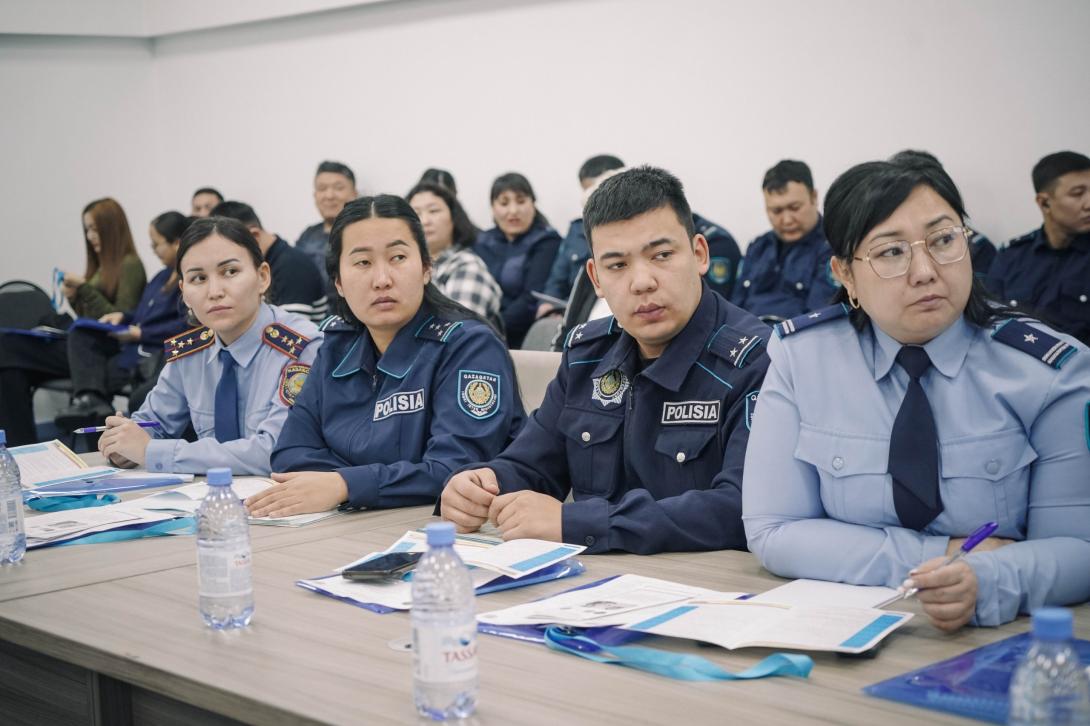
Despite the consolidation of the state and society in addressing the issue of domestic violence, it remains a pressing issue, and the relentless statistics show that cases of aggression with severe consequences are not decreasing.
What further steps need to be taken to move closer to a safe and civilised life was discussed at a conference in the Abai region by community activists, crisis centre workers, police officers, and many others.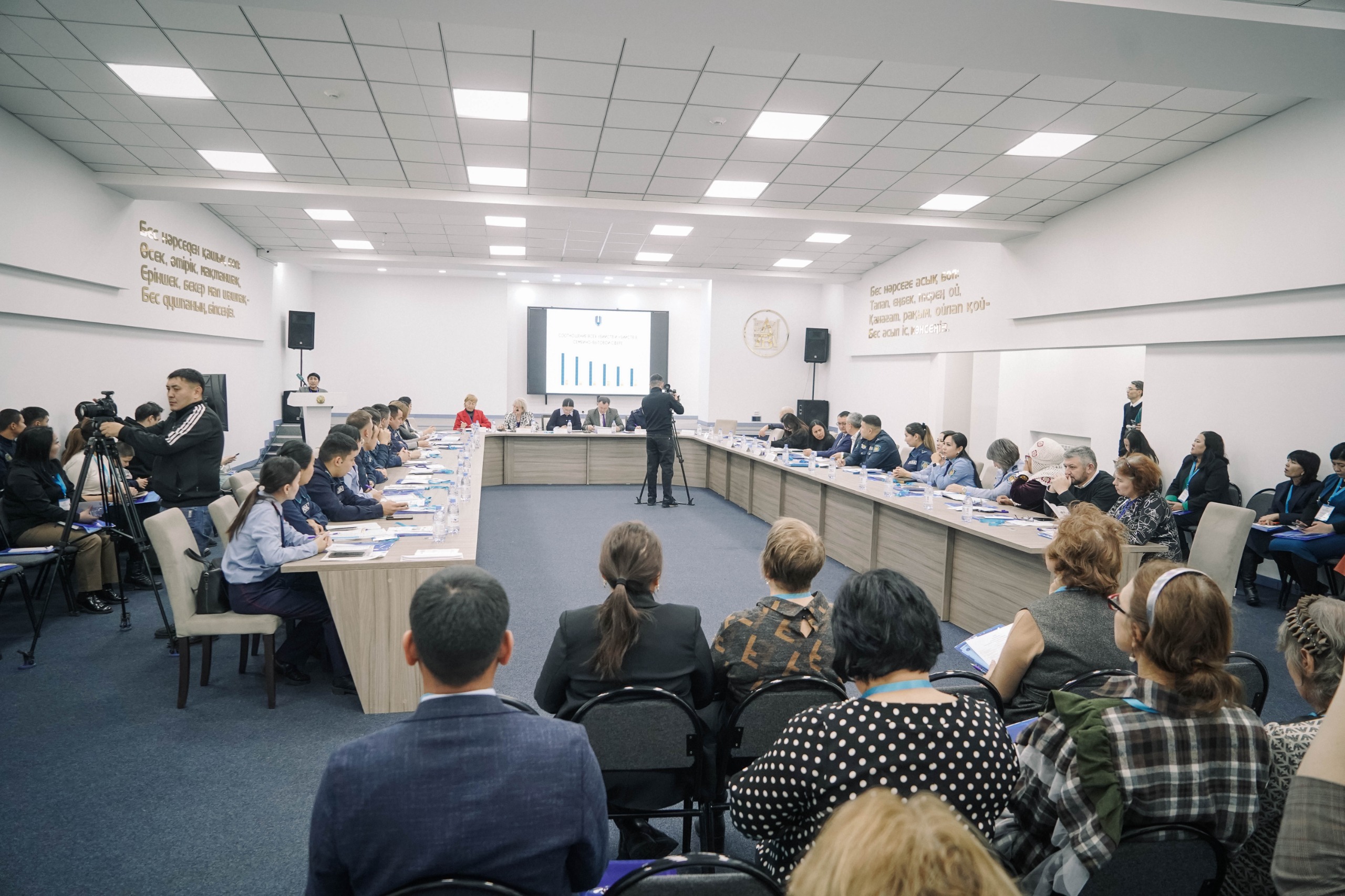
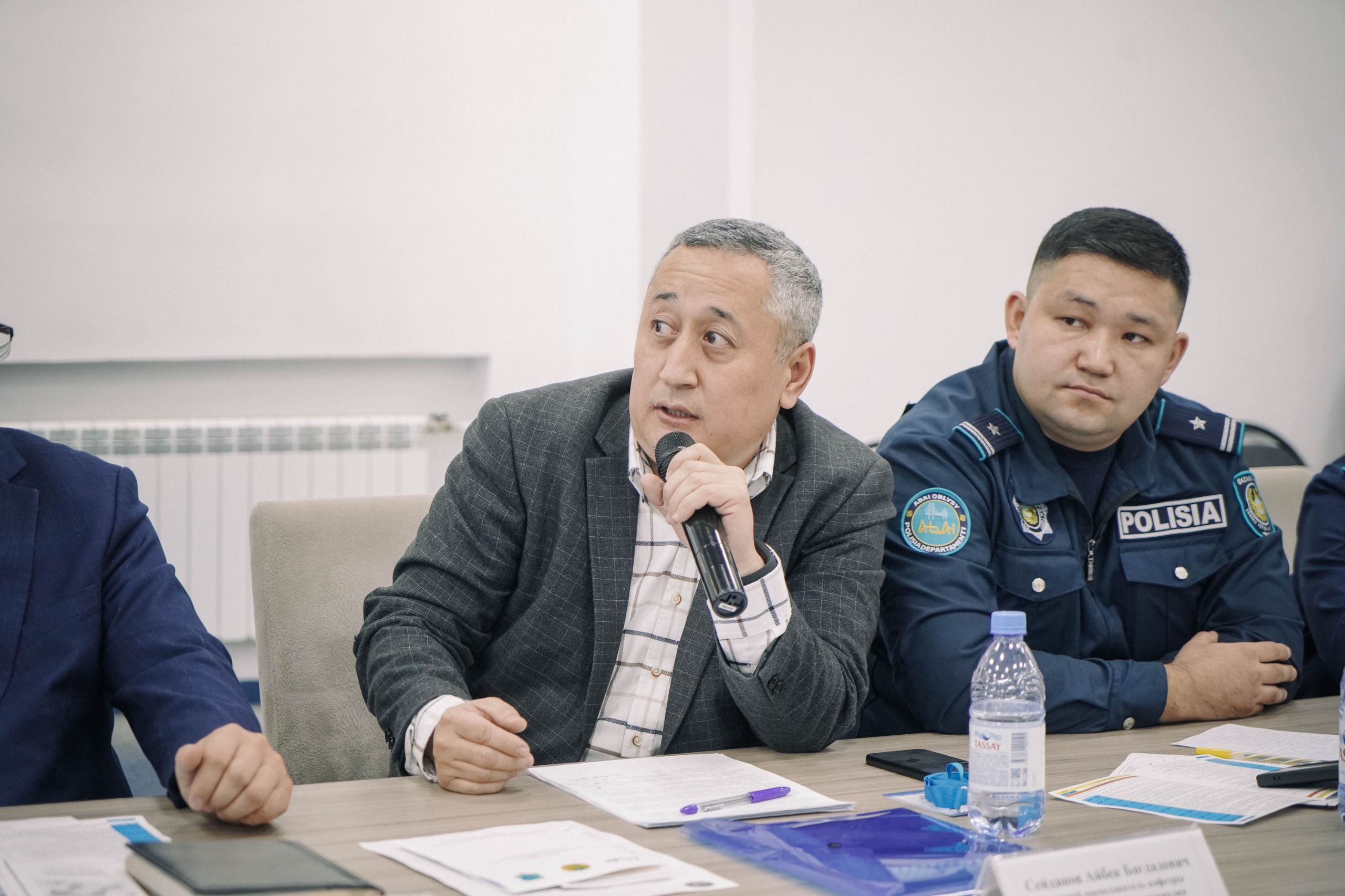
As part of the global campaign ‘16 Days of Activism Against Gender-Based Violence’, a regional conference titled ‘Combating Domestic Violence: Problems and Solutions’ was held in the area. The organisers were the public foundation ‘Centre for the Family’ and the Department of Internal Policy of the Abai region.
‘We can only overcome such a negative phenomenon as domestic violence if we work together, if our society is not indifferent. Unfortunately, we cannot yet say that this scourge has been eradicated’, noted Lyudmila Astashkina, executive director of the ‘Centre for the Family’ foundation.
It is reported that the public foundation ‘Centre for the Family’ is collecting information on families in need. Before the crisis centre opened, the foundation carried out its functions, helping to rescue affected women with children with the involvement of lawyers and psychologists.
The leadership of the local police service also noted that the problem of domestic violence is only escalating year on year.
According to the deputy head of the regional police, Bauyrzhan Sadakbayev, the imperfection of legislation regarding the punishment of domestic aggressors often leads to the affected woman (sometimes with children) being forced to leave home and independently resolve the issue of further accommodation.
Sadakbayev cited a case where a victim of beatings did not want to return home and lived in a crisis centre in the city of Semey. Law enforcement agencies petitioned the court to impose special requirements under a criminal article, but the court rejected the petition, and the abuser remained at home, while the victim lived in the crisis centre.
‘But there are also positive examples — in the Abai district, the court granted the victim’s petition, imposed special requirements, and the abuser not only left the home but also received a ban on approaching the victim. The police do not have such powers. This information needs to be conveyed to the courts, because otherwise this issue will not be resolved. For example, in Europe, only the aggressor leaves the home. This is, one might say, an unwritten rule’, emphasised Sadakbayev.
Furthermore, cases of domestic disputes involving physical force are still often hushed up, and this concerns not only women and children but also elderly people, who do not report what happened until the very last moment.
As noted by Dinara Raziyeva, senior lecturer at the Department of Civil Law Disciplines at Alikhan Bokeikhan University, current legislation, although it does protect victims of domestic violence in practice, only does so subject to a large number of conditions. Many of these conditions are either difficult to prove or cannot be proven at all.
‘To protect the rights of victims of domestic violence, comprehensive measures are necessary. We will not achieve any results simply by toughening criminal and administrative penalties. Education is needed, but we have already ended up in the situation we are in now. The latest changes to our legislation were, unfortunately, written in blood. In a situation where a woman has suffered from domestic violence, she has to deal with the issue of moving and leaving, taking care of herself and her children, while the abuser does not leave the living space’, reported Dinara Raziyeva.
The speakers also noted the need for a course of psychological therapy for the aggressor himself, as he may be dangerous to society. It is noted that currently, punitive measures are applied to them, but unfortunately, no one studies or corrects the causes of such behaviour.