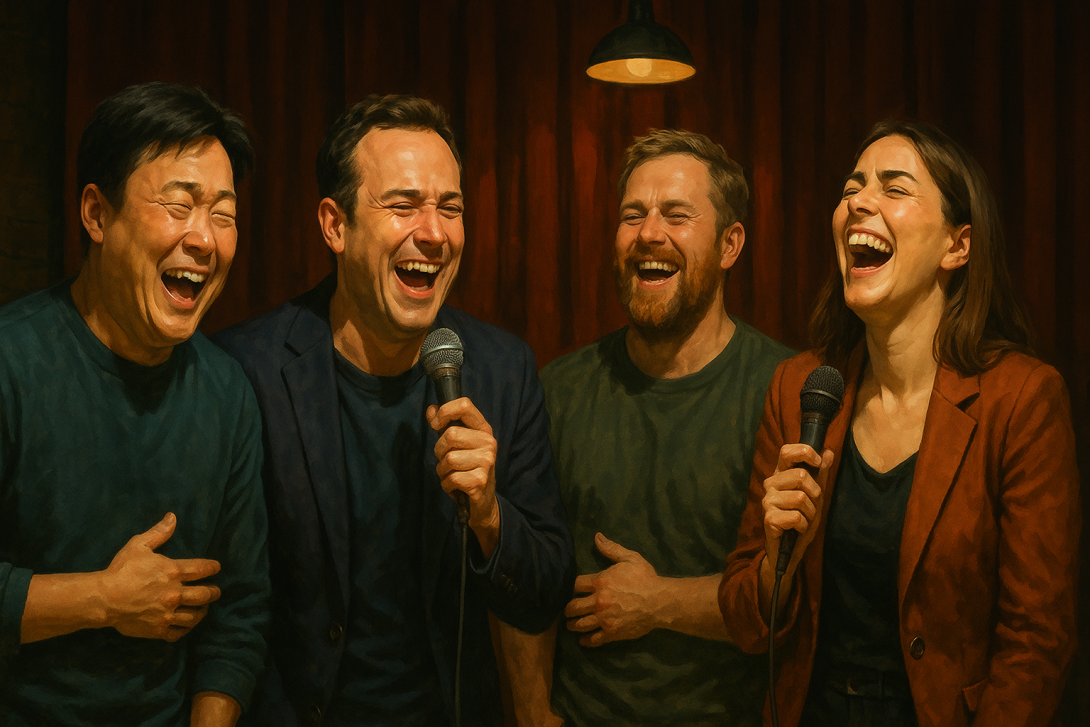
The release of the "Roast of Kanat Beysikeyev" podcast on YouTube sparked a wave of outrage in Kazakh society. Social media users and well-known media personalities criticised the show's participants for jokes about tragic events in Kazakhstan's history that claimed hundreds of lives. The public stated that the comedians had crossed a red line, turning a national tragedy into material for cheap gags.
A joke by blogger Murat Daniyar about the January 2022 events caused an especially sharp reaction. Alluding to Kanat Beysikeyev's lack of knowledge of the Kazakh language, he joked:
"Kana during the Qantar events thought: 'Right, Qańtar – is that November? December? It's January, right'."
For many Kazakhs, this joke sounded blasphemous.
"The tragic 'Qantar' events have become a source of jokes for some Almaty residents. But in reality, 238 of our compatriots died then, damage from the unrest exceeded 100 billion tenge, and more than two thousand business premises were affected," wrote one user.
The comedian Dariga Bilal also ironically noted that Ruslan Tai once performed at the "Zheltoksan" Stand-Up Club, hinting at a link between the club's name and the tragic events of December 1986, when Kazakh youth took to the square to protest against government decisions, and the protest was brutally suppressed.
Outraged viewers noted that there are topics which should remain beyond the scope of humorous formats.
"I pictured a scene. A family who lost their relatives during the January events is watching this episode, and then someone on screen jokes about 'Qantar'. The family was making flatbreads on Friday and commemorating a father who left home and never returned that day, and then there's laughter. Qantar and laughter? Zheltoksan and laughter? It's not funny at all, not even a little bit," Zhanna Akhmetova expressed on Facebook.
The "roast" format implies caustic jokes among participants, but this time the line between wit and insult was crossed. In addition to jokes about tragic events, other statements by participants also faced criticism, which the public deemed disrespectful towards national traditions and cultural symbols.
As reported by Stan.kz, journalist Dias Nurakyn and media personality Ruslan Kenzhebaev expressed concern that some podcast participants allowed themselves vulgar jokes touching on Kazakh traditions. In their view, this approach shows a lack of respect for one's own culture.
"Belittling your own culture for a laugh is not freedom, but a sign of spiritual poverty," Kenzhebaev emphasised, noting that true art should not be built on mocking national values.
Kazakh society has long tolerated the gradual infiltration of swearing and crude humour onto the stage. Stand-up comedy brought new formats that many accepted as part of modern culture. However, the current reaction shows: there are boundaries that must not be crossed, even in the name of laughter.
Tragic pages of history are not material for cheap gags. Zheltoksan 1986 and Qantar 2022 became turning points in modern Kazakhstan's history, paid for with the blood of hundreds of people. These are events that still cause pain for those who lost loved ones, who found themselves at the centre of the tragedy.
The restrained laughter from the audience during the podcast recording, mentioned by viewers, suggests that even those present felt awkwardness. Perhaps this is the moment when Kazakhstan's show business should reflect: where is the line between bold humour and blatant disrespect for one's own history and culture?
Freedom of creativity does not mean absolute licence. Professional ethics entail responsibility for one's words, especially when it comes to public statements. And if comedians are unable to determine this boundary themselves, society is ready to remind them of it.
The current scandal is not censorship, but a natural reaction from people for whom the memory of tragedies and respect for national traditions remain sacred.