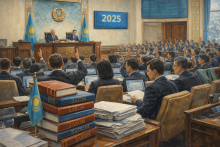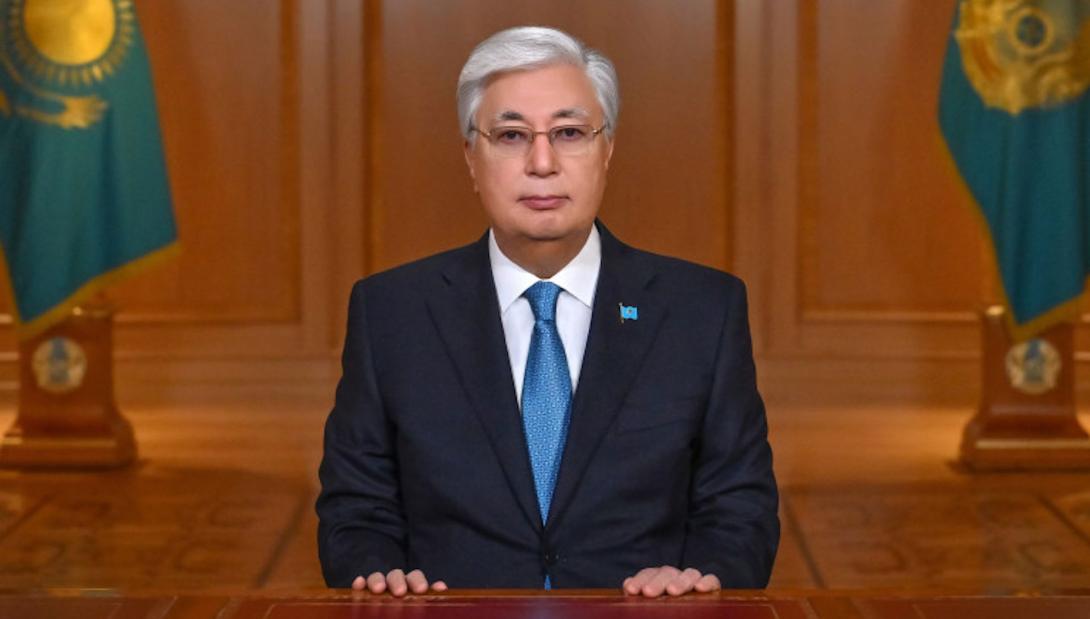
In his annual address to the people of Kazakhstan, President Kassym-Jomart Tokayev announced a systemic modernisation of housing and communal services (HCS), the construction industry, and water resource management. The head of state described these sectors as in a critical state and demanded the government take urgent measures to address problems that have accumulated over decades.
PARTNERSHIP BETWEEN THE STATE AND BUSINESS IN HCS
Tokayev noted that the wear and tear on communal infrastructure has reached dangerous levels due to years of inaction by the authorities. As a solution, the state plans to liberalise tariffs and introduce a new management model for the energy and utilities sector.
A key element of the reforms will be a redistribution of roles between the state and the private sector. The authorities will focus on regulation and oversight, while the implementation of technology and the renewal of infrastructure will be entrusted to businesses. This approach is intended to ensure quality of services and lay the foundation for the development of the 'smart cities' concept.
The head of state also instructed the use of international experience and the recruitment of foreign specialists to scale up modern solutions across all regions of the country.
NEW STANDARDS IN CONSTRUCTION
Alongside the modernisation of HCS, a digitalisation of the construction industry is planned. The President emphasised the need to introduce building information modelling using artificial intelligence. Such technologies should become a mandatory standard to ensure the quality and safety of facilities.
The systemic development of the industry involves the adoption of a new Construction Code by the end of 2025 and the launch of a national digital platform. The latter will make it possible to track the entire life cycle of facilities, from planning to operation.
ENVIRONMENTAL CHALLENGES AND ENERGY EFFICIENCY
A separate area of reform concerns the introduction of new sanitary and environmental standards. These are intended to encourage responsible consumption of resources and to foster a culture of energy saving among the population.
Of particular concern to the country's leadership is the irrational use of water resources. As Tokayev noted, Kazakhstan is already facing a water shortage, and the culture of water consumption 'leaves much to be desired'. Solving the problem requires large-scale educational work, especially among young people.
DIGITAL TRANSFORMATION OF WATER MANAGEMENT
The head of state described the water problem as a matter of national security. Despite the adoption of a new Water Code and the creation of a dedicated ministry over the past two years, a colossal amount of work lies ahead to reform the sector.
The current state of water management is critical: in some regions, water losses in canals reach 60%, metering is carried out using outdated methods, and data on resources remains incomplete. The radical solution should be a unified digital platform that consolidates information on surface and groundwater to form a national water balance.
THE INTERNATIONAL DIMENSION OF WATER SECURITY
The decline in the level of the Caspian Sea has become a source of regional concern. To address transboundary water problems, Tokayev proposed creating a Centre for Studying Water Problems within the framework of the Shanghai Cooperation Organisation (SCO).
The government has also been instructed to prepare an interstate programme for the conservation of the Caspian's water resources, which underscores the authorities' understanding of the scale of the environmental challenges.
In conclusion, the President emphasised that the success of the modernisation of HCS, construction, and water management will determine the future of Kazakhstan. The well-being of future generations depends on the wisdom of the steps taken today.