The editorial team of FBRK travelled to Aqkol — the country's first smart city, located just a hundred kilometres from the capital.
The Smart Aqkol project was presented to former president Nursultan Nazarbayev in 2019. At the time, it was supposed to become a model for the development of all ‘smart’ cities in Kazakhstan.
The initiators were Kazakhtelecom, ERG, AREK, Tengri Lab together with the regional akimat — all funded by private investment. And here is the main question: what is left of this ‘smartness’ six years later?
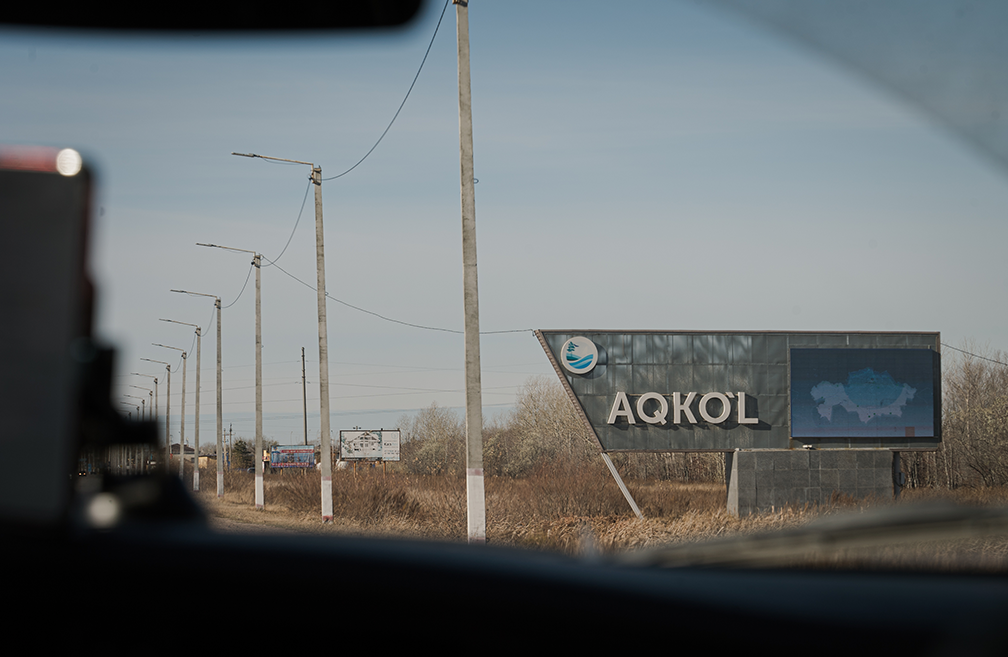
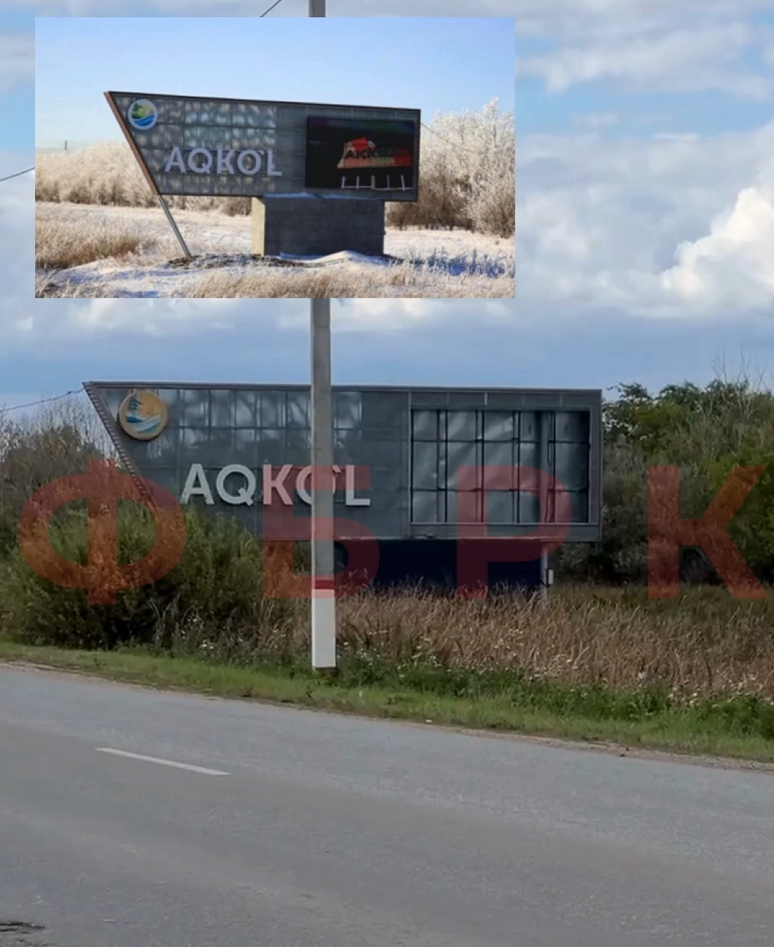
At the entrance, a banner with empty frames greets you — where information screens once shone. Apparently, the ‘smart’ technologies decided to take a holiday.
FIRST IMPRESSIONS: BETWEEN ORDER AND CHAOS
The railway station is under renovation, workers are labouring in the old building. Lawns are mown, walls are painted — cleanliness is of a high standard. But here's the catch: the only toilet is an overflowing portable toilet with a terrible smell. Why not install a few more for people's convenience?
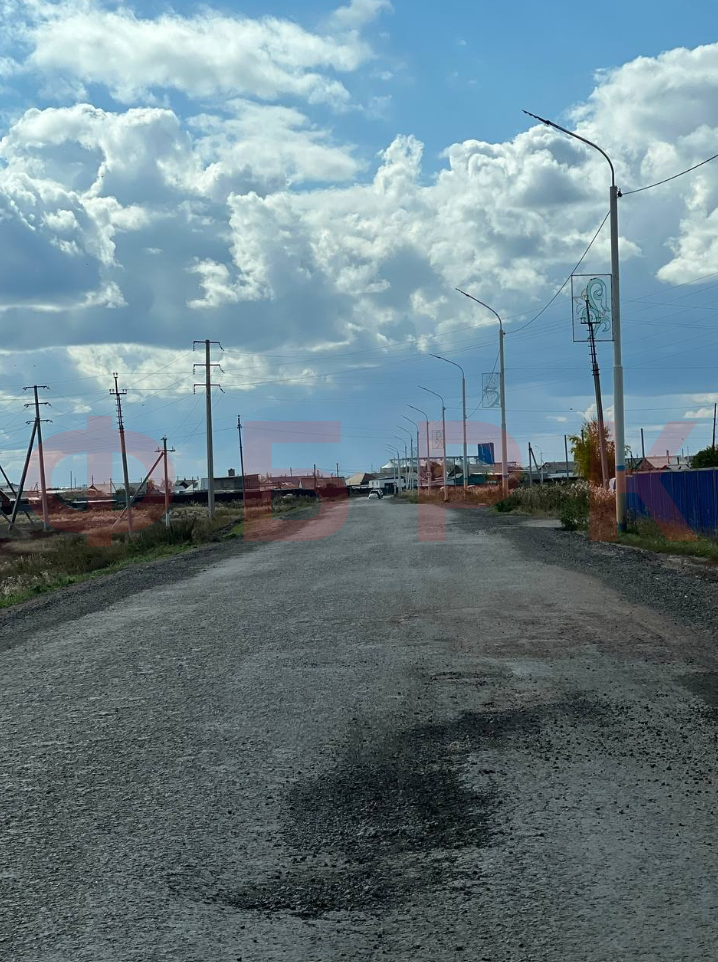
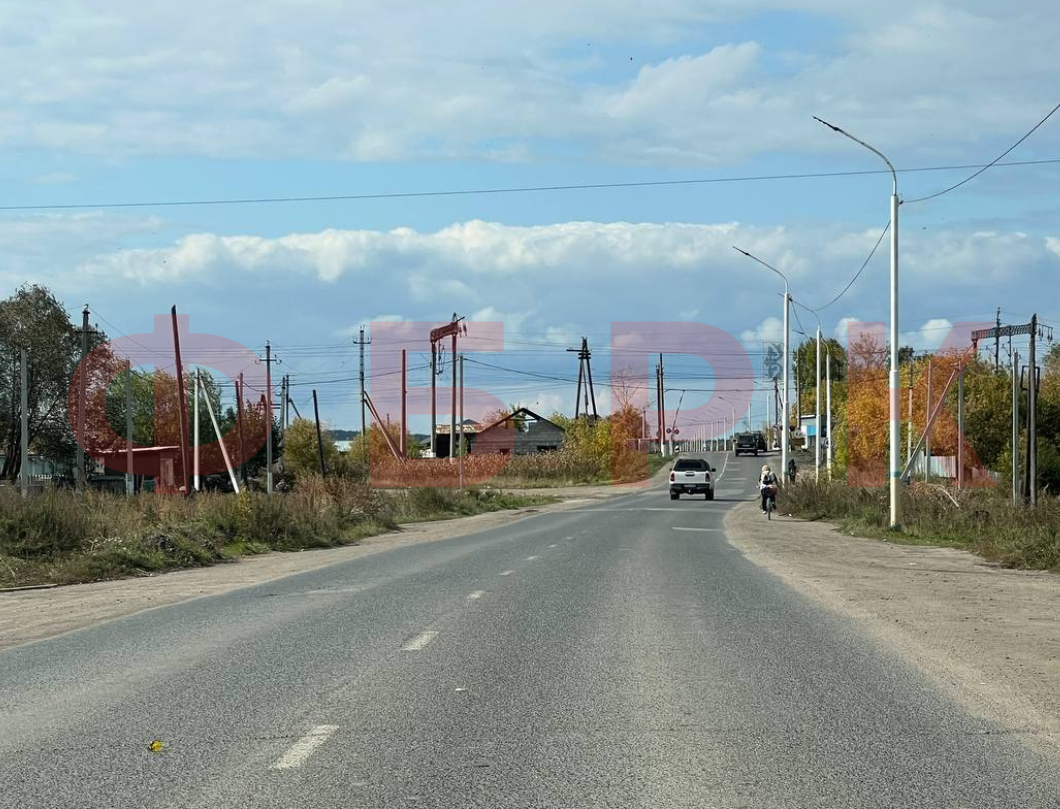
Walking around the city, one thing immediately stands out: there is a catastrophic lack of pavements. Children and mothers with prams walk right along the roadside. The irony is that CCTV cameras capture this scene, but roads do not appear as a result.
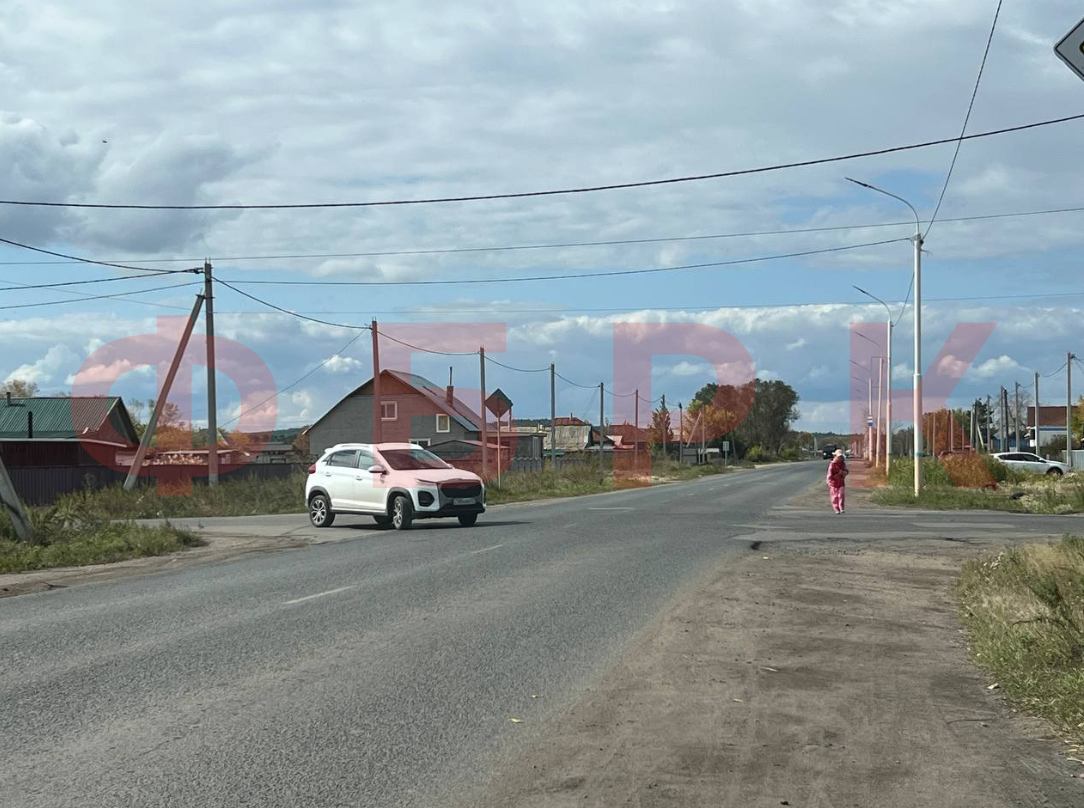
THERE ARE STILL BRIGHT SPOTS
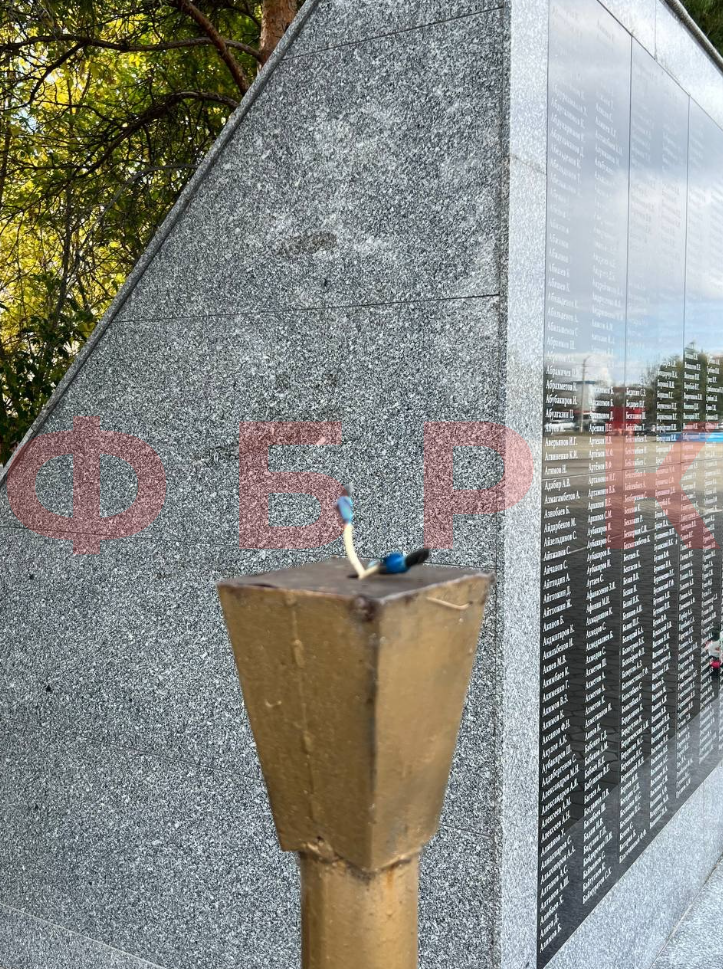
The promenade and the stadium are a real source of pride for the city. Clean, well-maintained, with many people relaxing. Nearby is a tidy monument to participants of the Afghan war. Everything looks great, except that there is simply no road to the stadium. In spring, it is sure to be a muddy mess. Akimat, perhaps it's time to add a proper road to the ‘recreation area’?
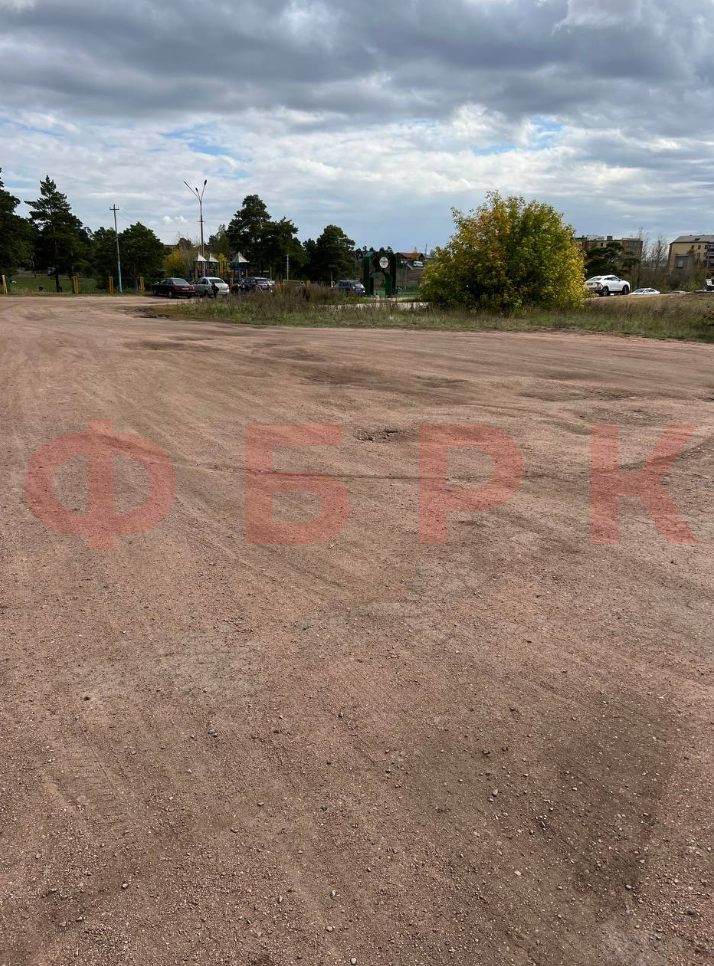
Among the technologies, free Wi-Fi on the central square is working. Perhaps the only truly ‘smart’ solution that actually functions.
ARCHITECTURAL CONTRASTS
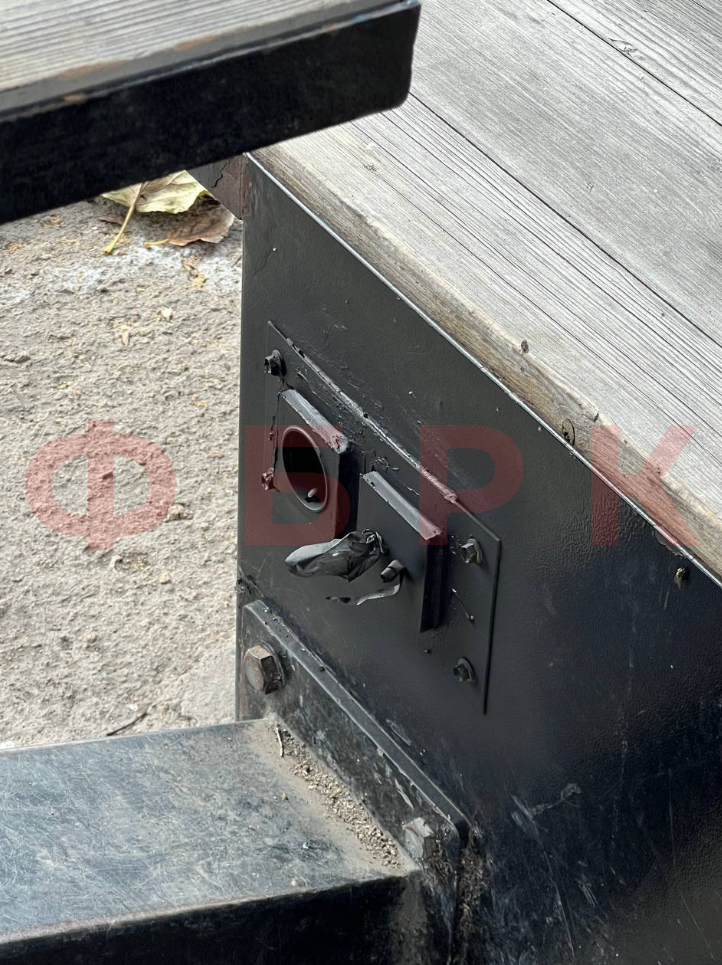
The central square on Nurmagambetov Street is a story in itself. One fountain works, another doesn't. Electrical panels with wires are exposed. Gazebos, where you could once charge your phone, are now only for ‘sitting’. Lamps without shades, wires sticking out. On one of the poles, there are about nine sockets installed — presumably, smart solutions for charging electric cars.
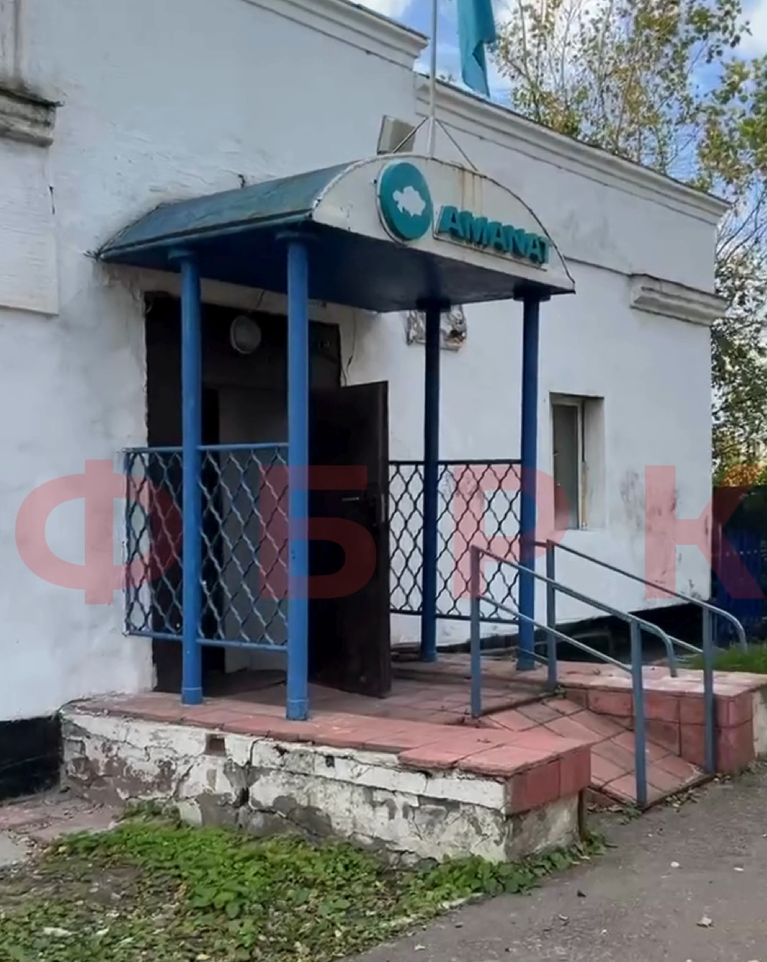
The building of the ‘Amanat’ party is truly impressive: cracks, exposed wiring, a ramp that looks more like an obstacle course. I wonder if any of the employees have tried using it?
But the akimat building is a completely different story! Well-maintained grounds, bright staircases, flowers, perfect cleanliness. Even the pavement next to it looks worse than the akimat's car park. Coincidence?
FOREST MYSTERIES
The correspondent noticed lorries with logs despite no visible logging activity in the city. However, according to residents, woodworking firms are operating actively, and adverts for firewood are everywhere. Who is taking the timber away and on what basis? Is there really no control?
SO, WHAT'S THE CONCLUSION?
The Smart Aqkol project was supposed to be a benchmark for all smart cities in the country. Kazakhtelecom with its partners and the regional akimat invested private funds and made plans.
But the reality is this: Aqkol is stuck halfway. Yes, there have been improvements with lighting and surveillance cameras, and pleasant recreation areas have appeared. But there are still no systemic ‘smart’ solutions that would fundamentally change the lives of residents.
And this naturally raises the question: does the same fate await Alatau City, which is only being planned as a smart city? Or is our distrust just an echo from the ‘Old Kazakhstan’, when flashy presentations were louder than real change?
Experience shows a simple truth: flashy presentations are one thing, but real work to improve the urban environment is quite another. Technologies without a systematic approach remain just gadgets, and not a solution to people's problems.