(12 January 2026 | Source: Facebook page of Askhat Aimagambetov)
The ambulance service in Kazakhstan is facing an acute shortage of vehicles and personnel, insurance problems and rapid wear and tear of transport.
This was written by Majilis member Askhat Aimagambetov on his Facebook page following meetings with ambulance paramedics, doctors and drivers.
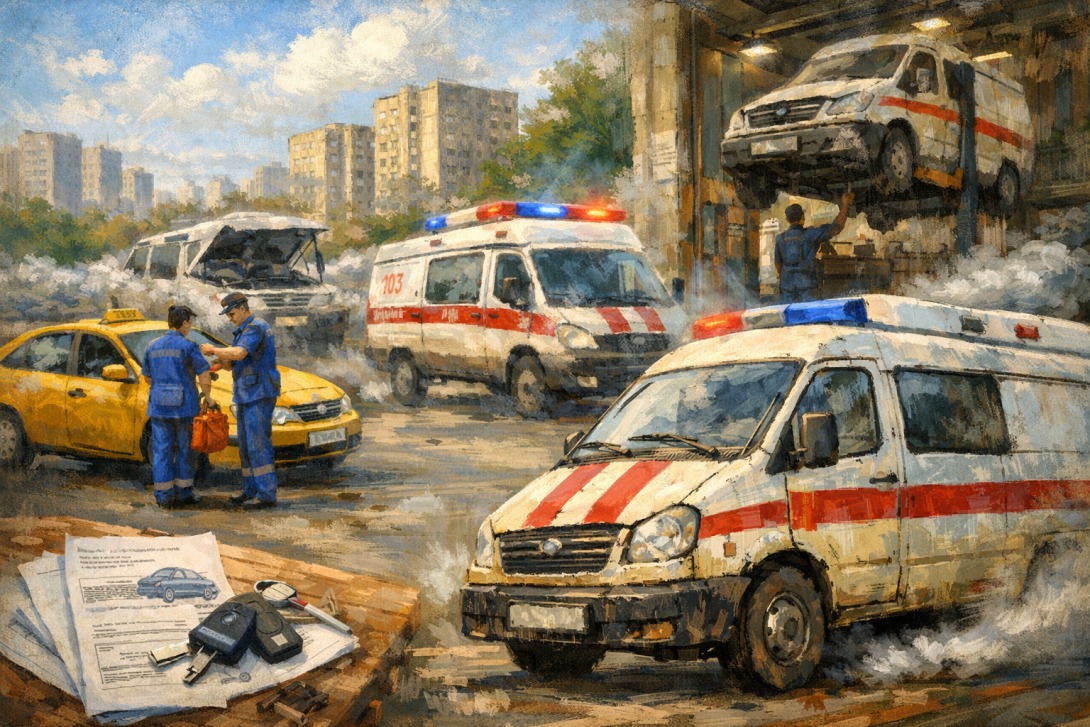
SHORTAGE OF AMBULANCES AND CALL-OUTS VIA TAXI
According to the MP, in many regions the number of vehicles and fully staffed teams does not meet the standards. In some cases, doctors have to travel to call-outs by taxi due to the lack of available ambulances. Aimagambetov noted that the situation remains difficult and requires urgent solutions.
QUALITY OF VEHICLES AND WEAR AND TEAR OF EQUIPMENT
The quality of purchased vehicles, including those of Chinese manufacture, was raised as a separate issue. In the northern regions, drivers report higher maintenance costs and long waits for spare parts. In one region, according to drivers, vehicles are left running at night because they cannot be started in the morning.
The MP cited depreciation as another systemic problem. The write-off periods for ambulance vehicles are the same as for ordinary service vehicles — 5–7 years, despite continuous use. As a result, local authorities are forced to keep non-operational equipment on their books and regularly repair it.
THIRD-PARTY LIABILITY INSURANCE FOR AMBULANCE SERVICES
Drivers also highlighted difficulties with third-party liability insurance. Due to high speeds, emergency call-outs and elevated risks of road traffic accidents, insurance companies often avoid entering into contracts, according to them. Aimagambetov stated that this issue would be examined separately.
LAW ON PROTECTING MEDICAL WORKERS AND FUNDING
During the meetings, the MP discussed a recently passed law that strengthens the protection of medical workers — ambulance drivers, paramedics, doctors and nurses — from attacks and violence. He also reminded them of a personal amendment concerning insurance for medical workers in the event of violence.
When approving the budget for 2026, the Majilis committee, according to the MP, allocated an additional over 5 billion tenge to the ambulance service.
WHAT IS PLANNED NEXT
Majilis members, together with the Ministry of Health, plan to carry out systematic work to address the problems. A comprehensive analysis of all regions, with data on the number and condition of ambulances, will be prepared shortly. The document is promised to be published in the public domain.
In conclusion, Aimagambetov stressed that local executive bodies should be primarily responsible for resolving issues related to the work of the ambulance service.