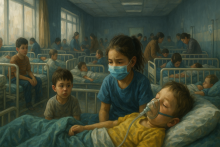
Enhanced sanitary and anti-epidemic measures are being introduced in Astana amid a sharp rise in cases of acute respiratory viral infections (ARVI) and influenza.
According to a decree signed by the city's chief state sanitary doctor, Aigul Shagaltayeva, more than 23,000 cases were registered in the city in the last week alone, with nearly 60% of those affected being children under 14.
Preliminary data suggests the current level of epidemiological burden exceeds that of previous years, although an official comparison with past seasons has not yet been published.
The document states that the measures are being introduced "due to the unfavourable epidemiological situation". The decree is intended to help prevent a further rise in seasonal infections.
According to the decree, the following measures are being introduced in the capital:
- Strengthening the work of medical organisations. It is reported that clinics and hospitals are obliged to ensure the isolation of the sick, expand capacity for receiving patients with ARVI symptoms, maintain a mask mandate, monitor visitors' temperatures, and maintain the necessary stock of antiviral drugs.
- Transition of school classes to distance learning. According to representatives of the sanitary and epidemiological service, if more than 30% of students in a class are absent due to illness within a single incubation period, the class is moved to an online format. The measure is in effect from 20 November to 5 December. Schools are also introducing a daily "morning filter" for students and staff.
- Restriction of mass events. The decree mentions the need to reduce events with large numbers of people, but specific criteria (number of participants, formats, exceptions) are not specified.
The city's sanitary services continue to monitor the incidence of illness and have indicated that measures may be adjusted depending on the epidemiological situation.
For context, it was previously reported that the epidemiological situation had worsened in Shymkent: cases of influenza and influenza-like infections among children doubled. Due to the influx of patients, the city's paediatric hospitals became overcrowded.
Later, nearly 1,500 school classes across the country were moved to distance learning due to the rise in ARVI cases. Schools continue to operate as normal, with only those classes where the number of sick students exceeds the established thresholds being sent to the online format.