Kazakhstan is planning to introduce a differentiated VAT rate, which will affect various sectors of the economy. According to a statement by the First Vice-Minister of National Economy, Azamat Amrin, the base rate will be 16%, while some industries will receive tax preferences and others will be completely exempt from this tax.
A roundtable discussion in the Mazhilis saw active debate on the details of the tax reform proposed by the Kazakh government. First Vice-Minister of National Economy Azamat Amrin presented the main directions of changes to the taxation system.
"We are proposing a differentiated VAT rate. The standard rate will be 16 percent - this is the base rate. The second option is a full exemption from VAT for the agro-industrial complex. At the same time, we are retaining the right to voluntary registration. That is, if a taxpayer wishes to become a VAT payer voluntarily, that right remains. An intermediate rate of 10 percent is also provided. In the draft submitted to parliament, this rate is proposed for the healthcare sector.", Amrin stated.
According to the Vice-Minister, numerous working meetings with business representatives and public discussions generated a significant number of proposals. Particular attention was paid to initiatives for reducing VAT on food products and other categories of everyday goods.
The draft of the new Tax Code provides for the following key changes:
- An increase in the VAT rate from 12% to 16% with the simultaneous exemption of mass media and the agro-industrial complex from this tax;
- The establishment of a reduced rate of 10% for the pharmaceutical industry, medical services and socially significant food products;
- A reduction in the threshold limit for registration as a VAT payer from 20,000 to 3,800 MCI (14,941,600 tenge in 2025).
"Currently, all these issues are at the discussion stage. I think that within the work of the profile group in the Mazhilis, we will consider all these proposals in detail," Amrin added.
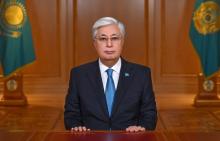
It is worth noting that the Kazakh government initially proposed setting VAT at 20%, but after intervention by Kassym-Jomart Tokayev, a decision was made to consider a differentiated approach with three rates: 16%, 10%, and 0%.
Earlier, it was planned to offset the effect of increasing VAT to 20% by reducing the burden on the payroll fund, in particular by abolishing mandatory employer pension contributions (OPVR) and social tax.
However, on 12 February, the government published a statement according to which, under the newly proposed VAT rate of 16%, social contributions will remain unchanged, as the state will not have sufficient revenue to cover social contributions in place of the employer.
Thus, within the framework of the current tax reform, the Kazakh authorities have abandoned the idea of abolishing the OPVR and social tax, focusing instead on optimising VAT rates for various economic sectors in order to create a more flexible and efficient tax system.