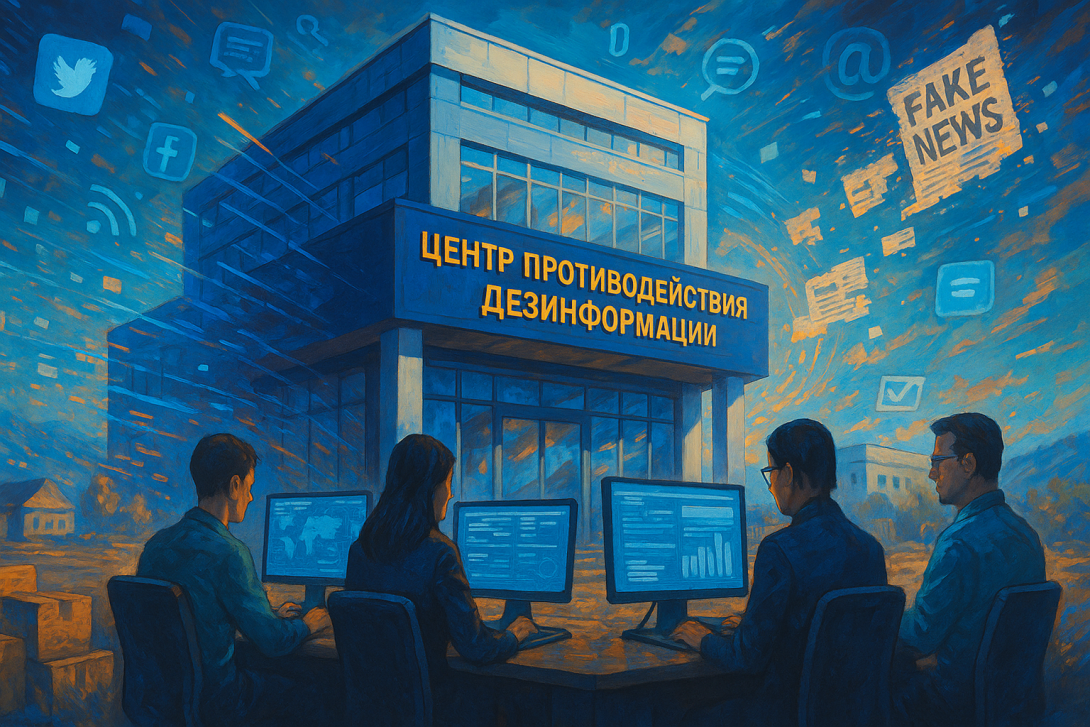
Within the structure of the Central Communications Service under the President of the Republic of Kazakhstan, a Centre for Combating Disinformation has begun operating. The creation of this unit was a response to the increasing number of cases involving the spread of false information, which disorientates citizens and can cause real harm to society.
The need to establish a specialised centre became evident after a series of high-profile incidents. A telling example was a recent story in which information spread on social media about the alleged impending punishment of a man who saved a child from aggressive dogs. The post instantly circulated through messaging apps, sparking a wave of public outrage.
However, the police officially refuted this information, confirming that no arrest or prosecution of the hero had taken place or was planned. One emotionally charged post proved capable of triggering an avalanche of indignation among thousands of people.
In recent months, numerous cases have been recorded in Kazakhstan where disinformation has spread beyond the virtual space and caused real harm. Fraudsters organised fake Olympiads with ‘official’ branding, extorting money from gullible citizens. False statistics were circulated about supposedly dangerous regions of the country.
Of particular concern are deepfake videos featuring artificially created voices and images of officials, which were used to call for participation in military actions abroad. Certain Telegram channels published non-existent announcements of rallies with the aim of provoking conflicts and disrupting public order.
The Centre for Combating Disinformation has set itself the task of protecting citizens from distorted information by publishing official clarifications and fostering a culture of responsible news consumption. In an era when information spreads faster than it can be verified, such a tool is becoming particularly important.
The main areas of the centre's work will be identifying fakes, promptly refuting them, and providing expert commentary. The main goal is to make verified information accessible, simple, and understandable for all categories of citizens. The work will be carried out in partnership with state bodies, experts, mass media, and civil society.
On its official social media pages, the centre has already begun publishing reviews and explanations, analysing specific cases of disinformation. Representatives of the department emphasise that the creation of the centre is not aimed at introducing censorship, but at helping citizens navigate the information space.
The effectiveness of the centre's work will largely depend on the active participation of citizens. Specialists urge people to check sources of information, refrain from spreading dubious content in messaging apps, and follow the centre's official channels for reliable information.
The creation of the Centre for Combating Disinformation reflects the growing need to protect the information space from manipulation and fakes. Given the rapid development of technology and the increasing influence of social media, such an initiative appears timely and necessary.
The success of the centre's work will depend on the balance between effectively combating disinformation and preserving freedom of speech, as well as on the willingness of citizens to critically evaluate the information they receive.