Eco-activists have requested that Vice-Minister of Ecology and Natural Resources, Mansur Oshurbayev, cancel construction on the natural reservoir.
Residents of Petropavlovsk raised this issue during the vice-minister's visit.
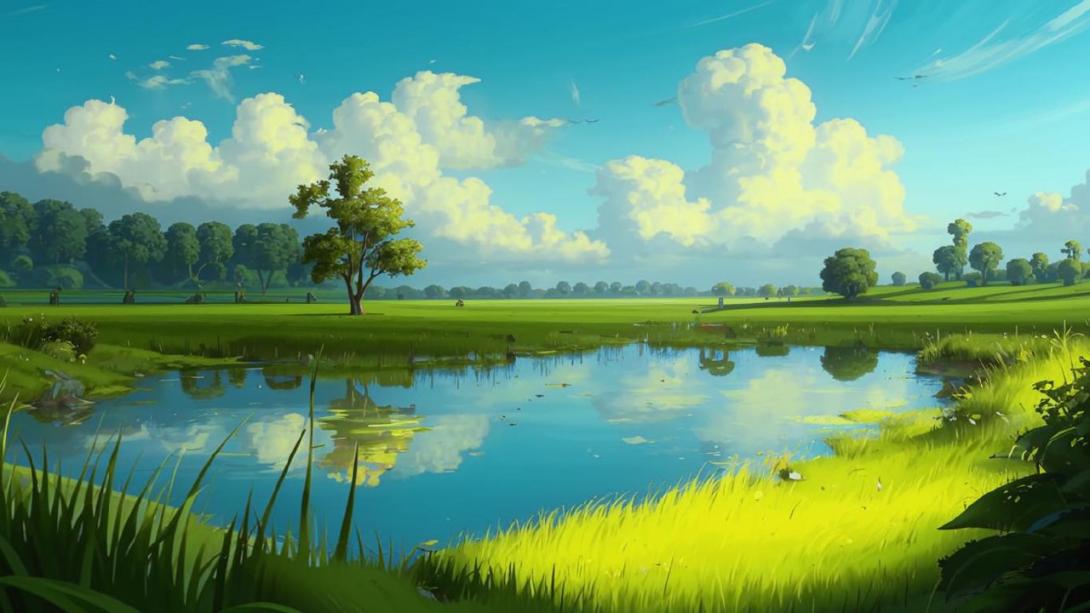
The matter concerns Lake Sennoye, located in the Bereke microdistrict, where, according to the master plan, multi-storey development is planned.
Member of the public council under the Ministry of Ecology, Artur Ryazapov, at a meeting with Mr Oshurbayev, detailed the natural processes that could be harmed by the elimination of the city's "ecological framework".
"The ancient hydro network in the lowest areas is occupied by the beds of existing or former dried-up lakes, swamps and floodplains. One such depression can be seen in the north-eastern part of Petropavlovsk, to which the basins of lakes Beloye, Kishkibish and several others are tied. The basin of Lake Sennoye was no exception; having lost its supply from seasonal and permanent water sources, it gradually silted up", the activist said.
However, today, according to the activist, rainwater and meltwater flow into the lake, and the natural reservoir itself has become a permanent habitat for many birds.
Artur Ryazapov insists that the development would be an unwise and even dangerous decision.
"The basin will remain a basin, despite it being filled in, but no one thinks about that, nor about the fact that groundwater, rainwater and meltwater will seek to rise to the surface", noted Mr Ryazapov.
The activist is convinced that the development is also unsafe from an ecological standpoint.
"Such prospective development will lead to the industrial zone being located in the centre of the settlement, and residents of the Bereke microdistrict will suffocate and live in the plume of industrial emissions, increasing the number of residents with chronic diseases", declared Artur Ryazapov.
The activists are even ready to propose an alternative: to use the ancient lake as a water catchment basin. Furthermore, the lakeshore could be landscaped, a park laid out there, and a recreation area created.
As the vice-minister stated, the department always supports the preservation of existing natural monuments. However, regarding the detailed planning project, he advised them to contact the akimat.
Whether the akimat will take into account the opinion of public figures and activists remains unknown for now. It is equally unclear whether Lake Sennoye will become yet another "Taldykol" or whether there is still a chance to preserve the natural reservoir.