The Ministry of Transport told journalists that JSC "NC "KazAvtoZhol" will revise the contract for the installation and maintenance of the toll collection system on roads of republican significance with LLP "Computer Vision Technologies". The department stated its intention to reduce payments for operating costs.
As reported by the media, on 19 June of this year, JSC "NC "KazAvtoZhol" and LLP "Business Partner Consult" concluded a corresponding contract for the assessment of capital costs of LLP "Computer Vision Technologies". Based on the assessment results, the assets will be taken over and the corresponding amount of payments will be set.
Journalists also noted that, according to information from JSC "NC "KazAvtoZhol", the amount of fees collected for travel on toll sections of roads of republican significance for 2021 amounted to 9 billion tenge, and for 2022 - 22.3 billion tenge. Previously, during the period of 2021-2022, LLP "Computer Vision Technologies" was paid 786.6 million tenge.
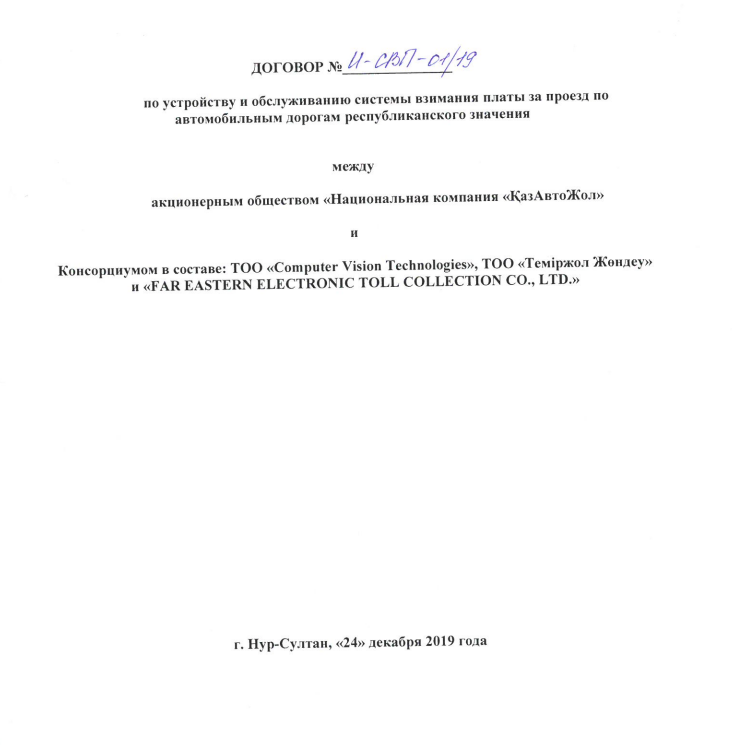
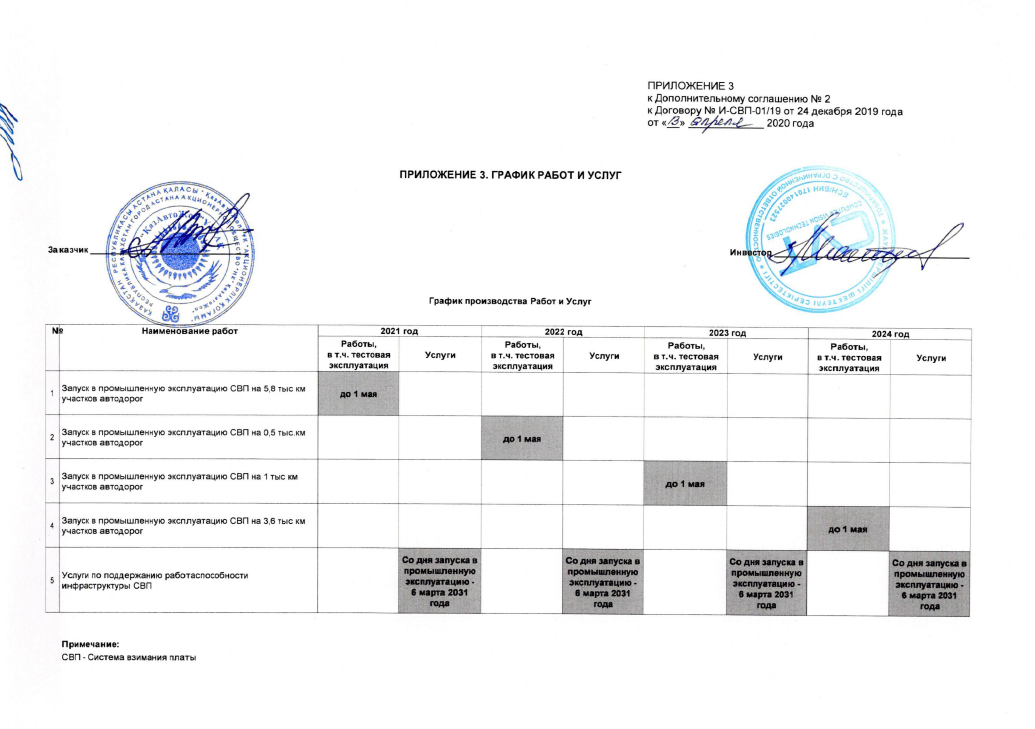
The editorial board of the FBRK published material several years ago about who would profit from Kazakhstan's toll roads. It is worth recalling that, following the tender results, on 24 December 2019, a contract for a term of 11 years for the installation and maintenance of the toll collection system on roads of republican significance was concluded between the national company and the consortium consisting of LLP "Computer Vision Technologies", LLP "Temirzhol Zhondeu" and "Far Eastern Electronic Toll Collection Co., Ltd".
LLP "Computer Vision Technologies", as the leader of the Consortium, is responsible for implementing the Project. LLP "Temіrzhol zhөndeu" is a Kazakh construction company in the field of road and railway construction with 17 years of experience. The company is also part of the "Қamқor Management" group of companies.
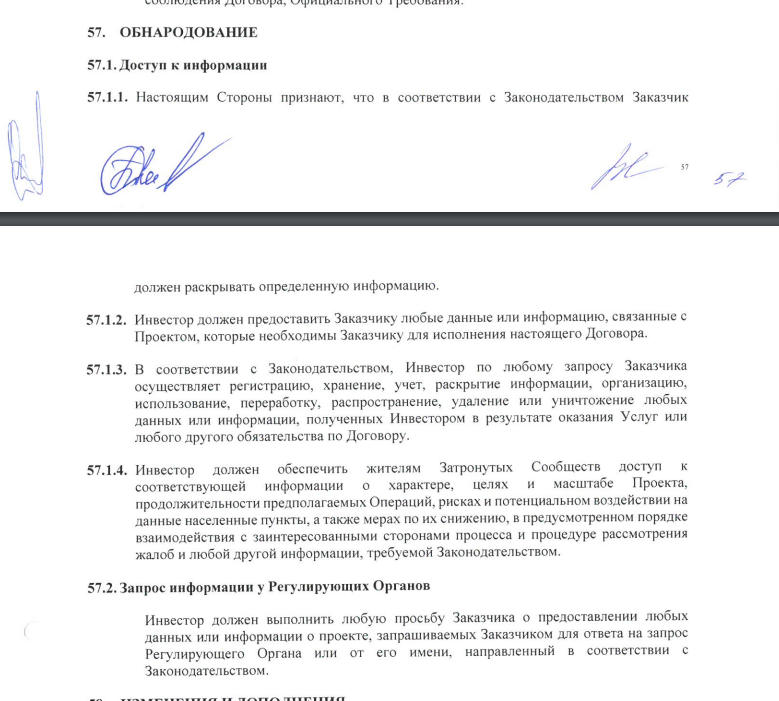
The Thai company "FETCI", selected as a consultant, is one of the most progressive global IT enterprises in developing toll road networks. And this time, there was no involvement of any French firm "GEA" whatsoever, not even at the bid submission stage for either of the two tenders.
But there were Russians from the company "Platon", which has experience in technical equipping and maintenance of toll roads in Russia. However, they were filtered out during the preparatory phase of the first tender.
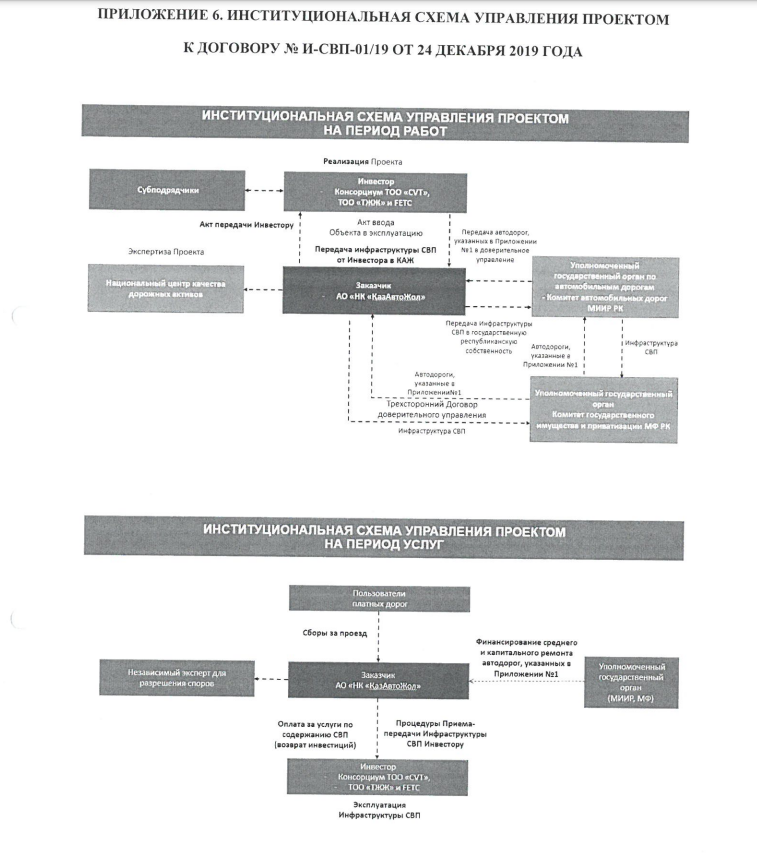
Moreover, each active member of the consortium has its own designated role. The leading players are LLP "CVT" and "Sergek", or more precisely LLP "Korkem Telecom". As for the Thais, it seems they were brought into the consortium to make use of their expertise.
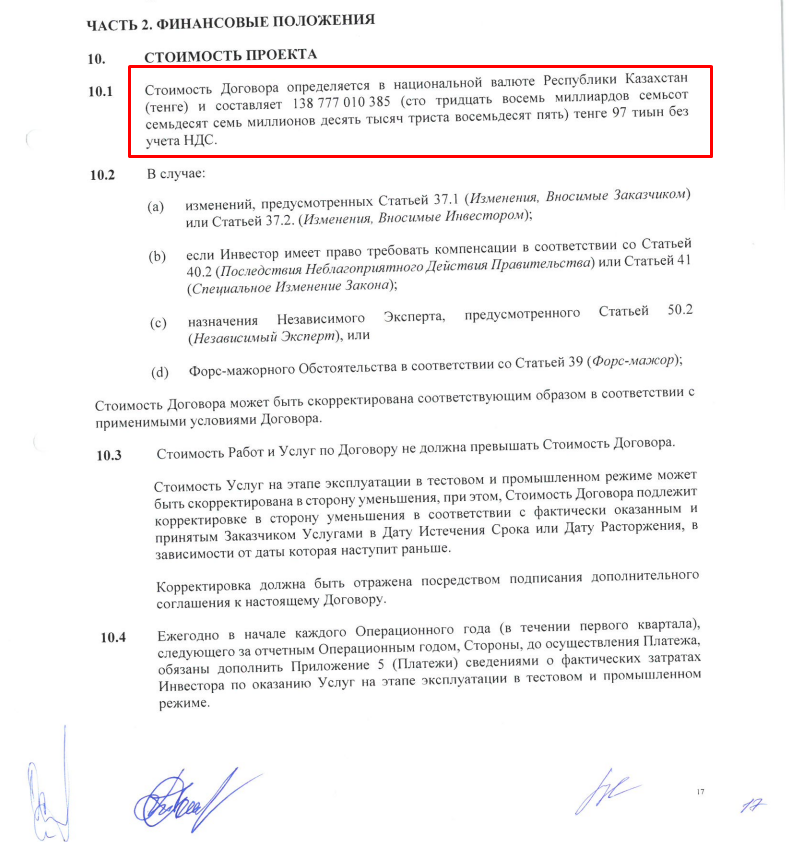
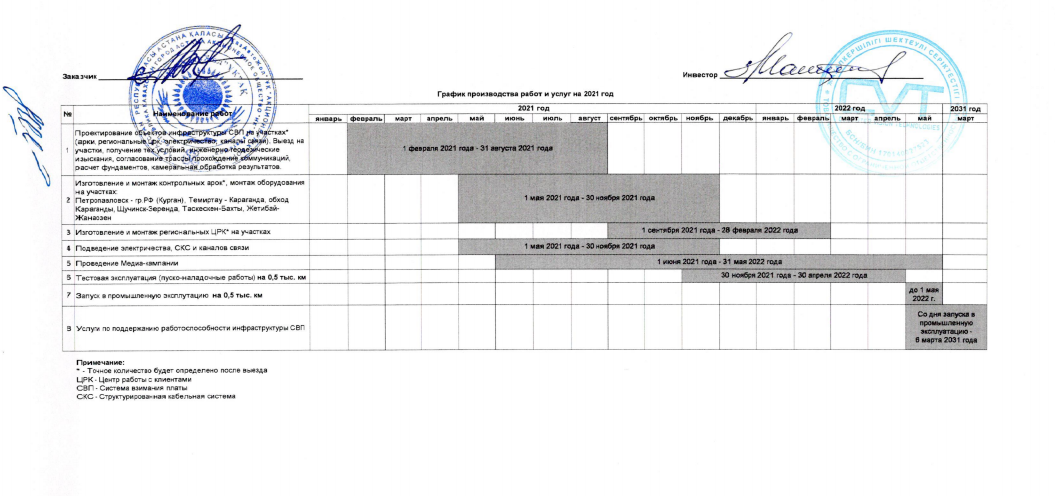
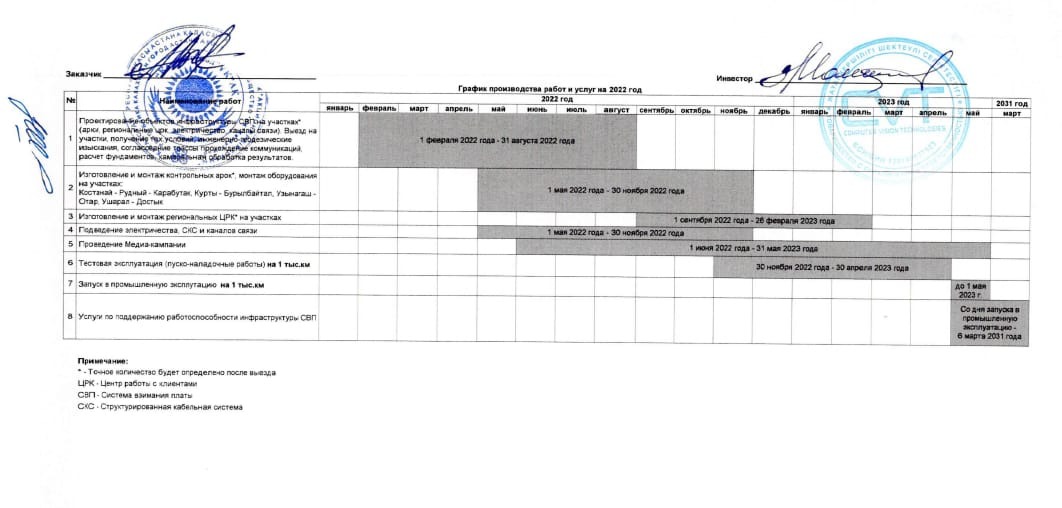
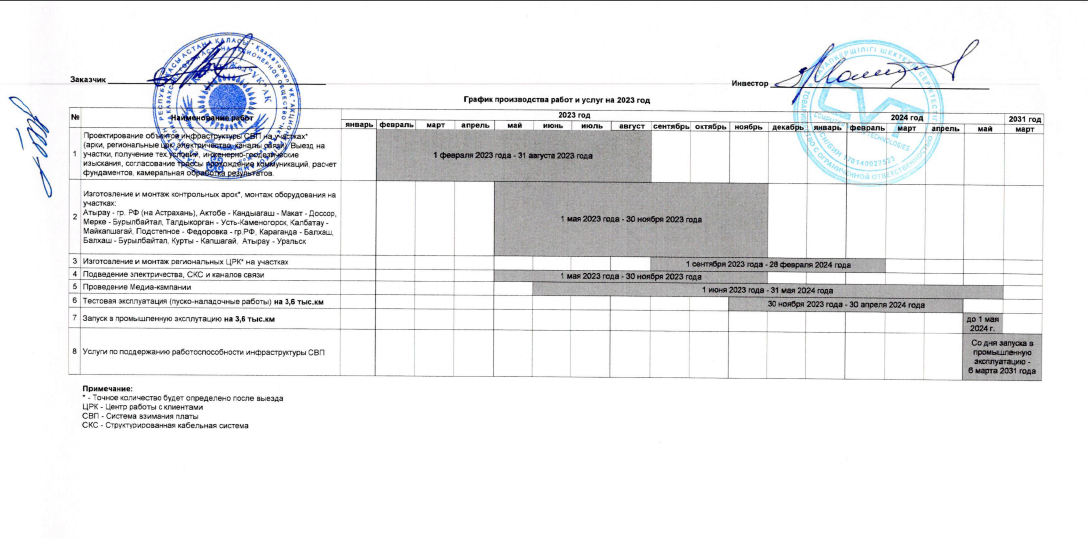
According to Contract I-SVP-01/19 dated 24 December 2019, concluded between NC "KazAvtoZhol" and the consortium, the total contract amount, excluding VAT, was 138.7 billion tenge, comprising capital works costs of 25.6 billion tenge and service maintenance costs of 113.1 billion tenge, which over nearly 10 years were to be received by Timur Kulibayev's company.
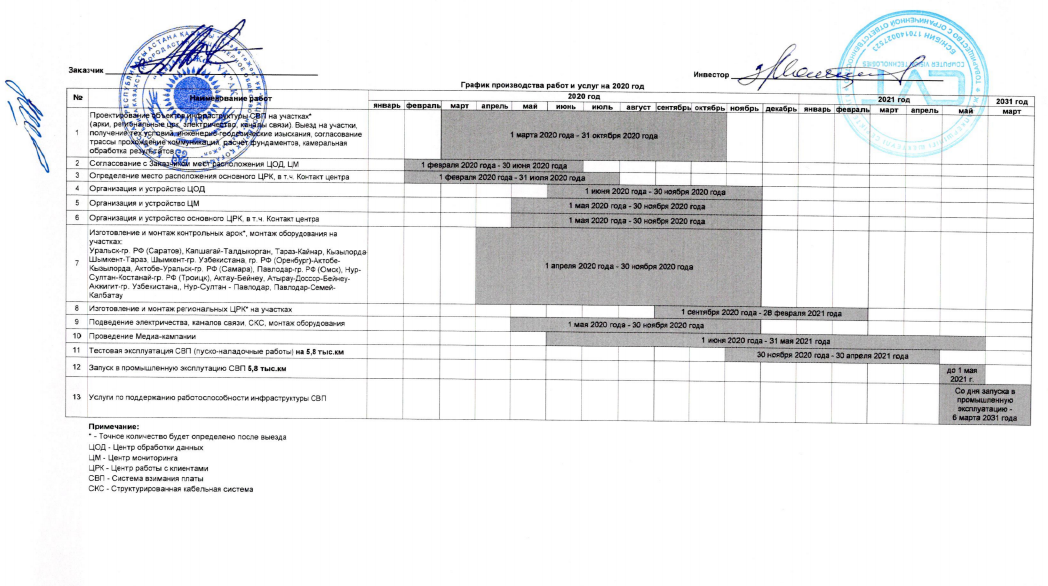
In April 2020, LLP "Computer Vision Technologies" held a tender for the procurement of work on manufacturing metal structures for control gantries, construction and installation work on installing control gantries, and manufacturing and installing modular customer service centres.
The cost of the work, according to the qualification requirements and technical specifications, was not to exceed 3,364,324,663.39 (three billion three hundred sixty-four million three hundred twenty-four thousand six hundred sixty-three tenge, thirty-nine tiyn), excluding VAT.
HOW MUCH DOES TOLL ROAD EQUIPMENT COST?
According to the decision of the tender commission dated 25 April 2020, JSC "NGSK KazStroyService" was selected as the subcontractor for the above-mentioned work, offering to carry out the work for 3,338,145,422 tenge, excluding VAT. Although, a tender with only one participant can hardly be called a competitive tender.
Let's try to break this amount down into its components.
The cost of a standard Kazakh-manufactured modular block measuring 12m x 2.4m x 2.7m ranges from 3.74 million tenge to 5.52 million tenge.
Let's take the arithmetic mean price as our baseline (after all, that's how average salaries are calculated here) — 4.63 million tenge.
According to the qualification requirements for the first phase (equipping roads for toll collection is divided into two phases), 27 such modules are needed. That amounts to 125.13 million tenge. This leaves 3.21 billion tenge.
In addition to the 27 modules, the subcontractor must also manufacture and install 99 gantries. Thus, the cost of one gantry comes to approximately 32,454,701 tenge.
We know that 6 "Sergek" type cameras will be installed on the gantries. One for each lane plus the hard shoulder. Previously, one of the developers of "Sergek", Asset Akhmetov, stated in the media that the approximate cost of one such camera is 50,000 tenge.
That works out to no more than 300,000 tenge for cameras, plus a communication module, road signs, wires, stickers (what else can we think of) – all this will not amount to a combined cost of 1 million tenge. It turns out that for more than 30 million tenge we, the citizens of Kazakhstan, are buying ourselves some kind of metal structure, including installation services. What a lucrative business.
WHO WILL REALLY PROFIT FROM KAZAKHSTAN'S TOLL ROADS?
But the trick isn't even in the cost of the gantries, modular payment centre units and equipment. According to the terms of the contract between the state and the consortium, the state undertakes to reimburse the investment over 11 years using funds received from toll collection.
At the same time, the investor contributes only 25.66 billion tenge of its own funds to the project for the development of intelligent systems in the road industry of the Republic of Kazakhstan. Of this, over 21 billion tenge are credit funds.
So, what is the bottom line?
The LLP invests less than 2 billion tenge of its own money, sells gantries at an incredible price, and in return receives 138 billion over 11 years for maintaining the system that collects money from ordinary citizens of the Republic of Kazakhstan.