
Researcher Assel Baimukanova from the ‘Institute of Hydrobiology and Ecology’ has reported preliminary findings from studies of the dead seals in the Caspian Sea.
As Baimukanova shared on her Instagram page, 305 dead seals were found on the coast of the Tubkaragan Peninsula from 27 September to 30 October. Between 4 and 5 November, a special commission discovered a further 121 carcasses.
‘10 carcasses (3%) show mechanical damage: cuts, severed heads, entanglement in nets and snares. Some of this damage may be accidental, while the rest is the result of illegal fishing. The majority of dead seals showed no such signs’, the statement reads.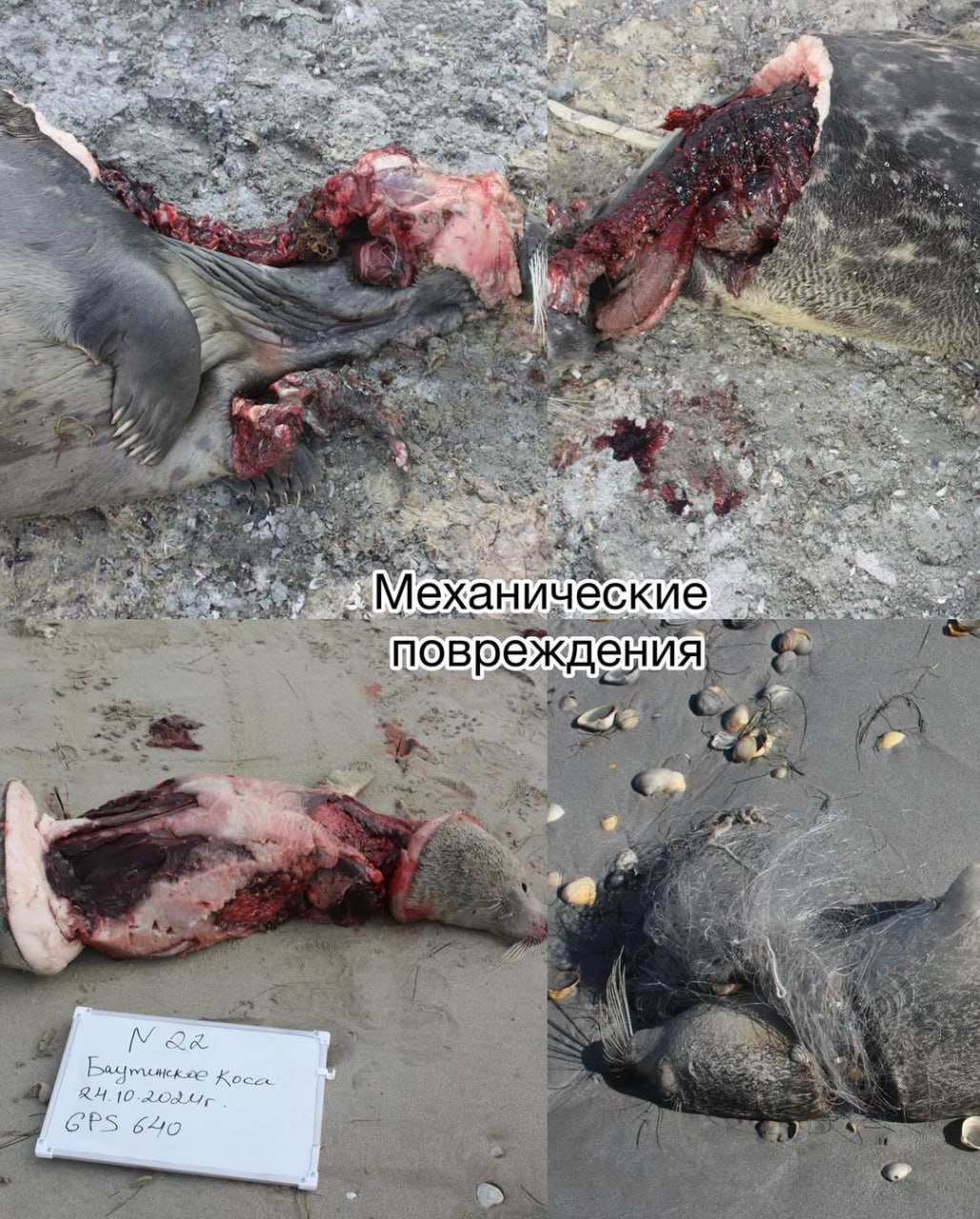
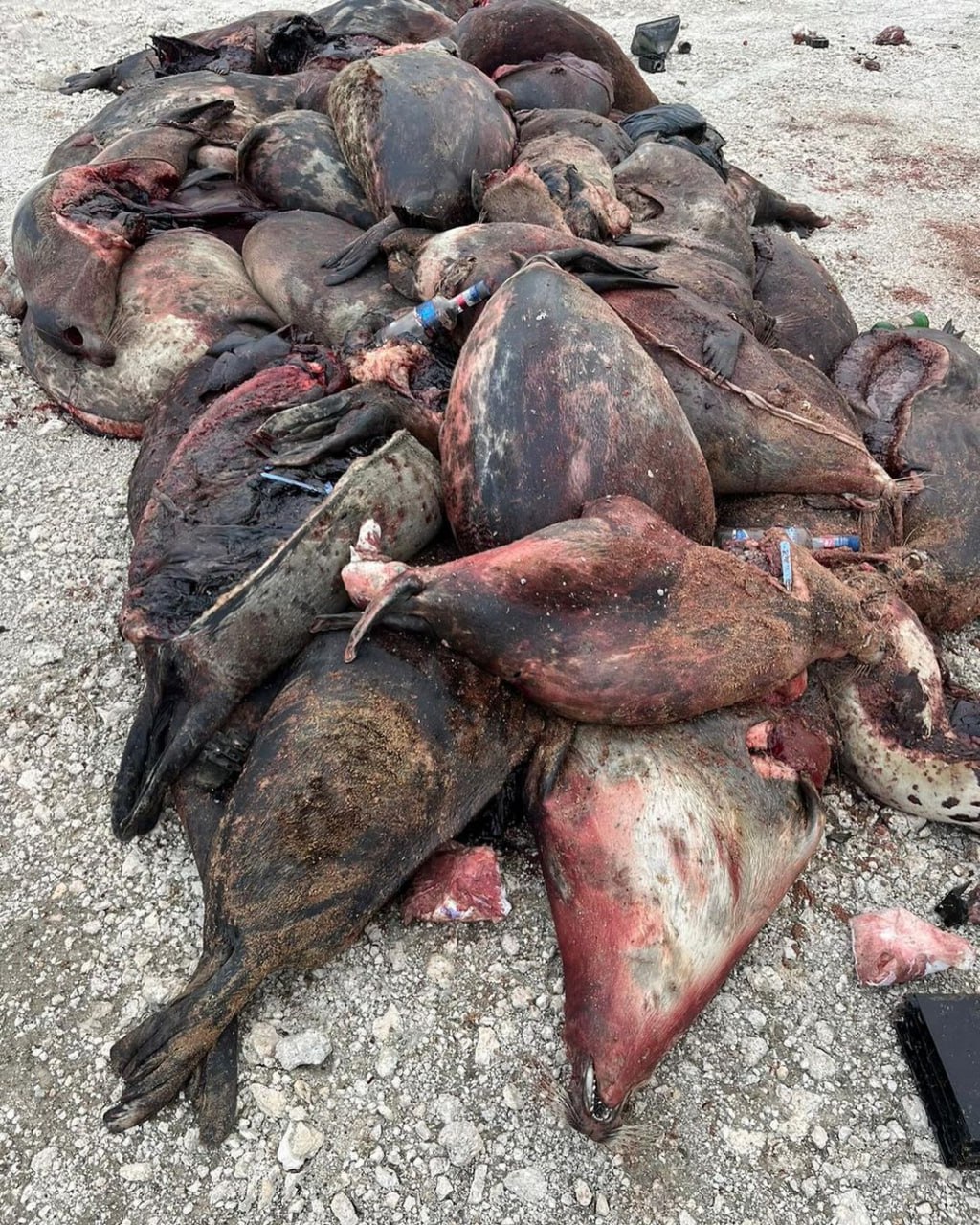
It has emerged that institute staff have taken samples which will help determine the cause of death. However, the advanced decomposition of most of the carcasses limits the scope for analysis.
Assel Baimukanova emphasised that all the seals examined were well-fed, and more than half of the females were pregnant. According to her, this means the animals were young and viable before death. The death, it appears, was unnatural and sudden.
Baimukanova also noted that in autumn, seals migrate to the northern Caspian Sea to breed. It was noted that the deaths occurred precisely during their period of concentration in this part of the sea.
Preliminary data suggests the causes of the animals’ deaths could include: earthquakes, natural gas emissions, pollution in areas of the sea, or an epidemic.
‘A comprehensive investigation of the situation requires expertise from specialists in various fields: geologists, oil and gas extraction specialists, ecologists, chemists, toxicologists, virologists, and others’, the institute researcher stated.
It will be recalled that at the end of October, more than 150 dead seals were washed up on the shore of the Caspian Sea in the Tupkaragan district of the Mangistau region. According to local blogger Azamat Sarsenbaev, the incident occurred after recent storms. It was noted that many of the dead animals had mechanical damage on their bodies.
However, specialists from the Mangistau Regional Department of Ecology later reported that they had analysed the water composition on the Caspian coast and found no anomalous deviations.
Incidentally, earlier this year it was reported that dead seals were periodically being found on the Caspian shore. The first reports of dead animals appeared on 29 March. At that time, fisheries inspection staff from the Mangistau region discovered 62 carcasses of dead seals during monitoring in the Tupkaragan district.
On 25 April, in the Tupkaragan district of the Mangistau region, staff from the fisheries inspection department found 12 seal carcasses.
Later, the fisheries inspection department of the Mangistau region reported that from 29 March to 25 April 2024, 182 dead seal carcasses had been found on the Caspian Sea shore.