The scandal involving false information about the critical condition of prisoner Marat Zhylanbayev was merely the tip of the iceberg of problems within the activities of certain human rights organisations in Kazakhstan.
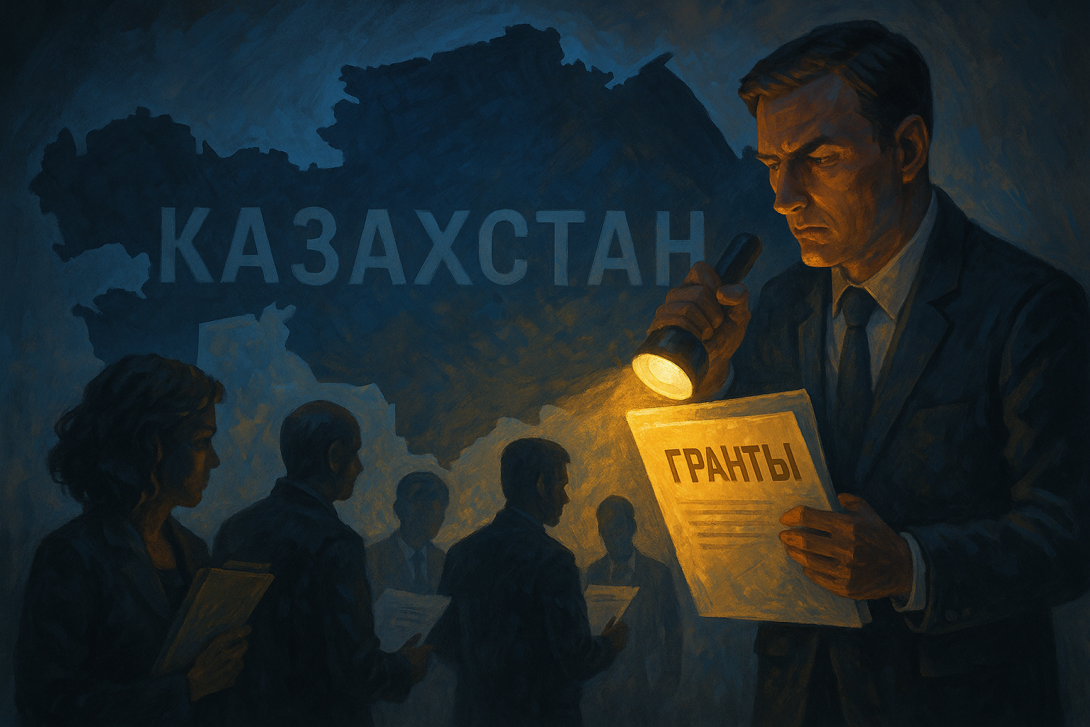
An analysis of the biographies and working methods of key figures in the non-governmental organisation (NGO) sector reveals systemic violations in the use of grant funds, questionable partnerships, and monopolisation of donor funding.
FACTS VERSUS STATEMENTS
In November 2023, Marat Zhylanbayev, a Kazakh ultra-marathon runner and Guinness World Record holder, was sentenced to 7 years in prison on charges of financing the extremist organisation DVK (the "Democratic Choice of Kazakhstan" movement of Mukhtar Ablyazov) and participating in its activities.
In July 2025, Bakhytzhan Toregazhina and her "Ar. Rukh. Hak" Foundation disseminated information about the critical condition of Zhylanbayev. According to the statements, the prisoner had brought himself to exhaustion through hunger strikes, losing weight down to 45 kg.
However, video recordings from his cell show a different picture: the convicted man is eating normally, reading, and exercising. The conditions of detention appear standard.
QUESTIONABLE PARTNERSHIP
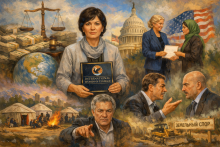
Bakhytzhan Toregazhina, who received the International Women of Courage Award from the US State Department in 2023, has been documenting human rights violations for decades. However, her choice of partners raises questions.
The co-founder of the foundation is Galymzhan Meshitebayev — a figure with a controversial reputation. According to official data, he has debts for ten enforcement proceedings totalling over 36 million tenge, which has led to travel restrictions and the seizure of assets.
Meshitebayev's company, Express Consulting-A LLP, is known for scandals involving land seizures in Almaty. The company's appraisers justified reduced compensation for owners of expropriated plots. Journalists have documented document forgery and the use of fake diplomas.
UNREALISED PROJECTS AND MISSING FUNDS
The history of cooperation between Toregazhina and Meshitebayev has deep roots. In 2005, on the eve of the presidential election, a large-scale protest action was planned — the so-called "protest aul", involving the installation of dozens of yurts on a square in Almaty. The project was intended to attract a crowd of discontented citizens.
Significant funds were allocated for the implementation of this action, but it never came to fruition. Zamanbek Nurkadilov — former mayor of Almaty and the Almaty region — directly accused Meshitebayev and Toregazhina of receiving an "indecently large sum of American money" without fulfilling their obligations. They apparently did not consider it necessary to return the funds received.
Characteristically, in 2010, the organisation was accused of limiting the opportunities of other NGOs to receive grants, which sparked a wave of criticism within the civil sector.
SYSTEMIC CONTROL PROBLEMS
The question arises about the quality of the selection process for recipients of international funding. How, under strict verification procedures, do funds end up with organisations whose leaders have questionable backgrounds?
The events surrounding the disinformation about Zhylanbayev's condition clearly demonstrate their working methods: loud statements without sufficient fact-checking, emotional presentation of information, and appeals to the international community.
Characteristically, in July 2025, Toregazhina was already fined 78,600 tenge for providing false information about the health of the same Zhylanbayev.
On 17 August 2025, the human rights activist was detained in Almaty as a witness in the DVK case. Meanwhile, questions about the accuracy of the information she provides and the transparency of the use of grant funds remain unanswered.
THE NEED FOR CONTROL
International donors should probably scrutinise the actual activities of grant recipients and their partners more closely. When questionable schemes are hidden behind human rights slogans, it discredits the entire field and undermines trust in genuine activists.