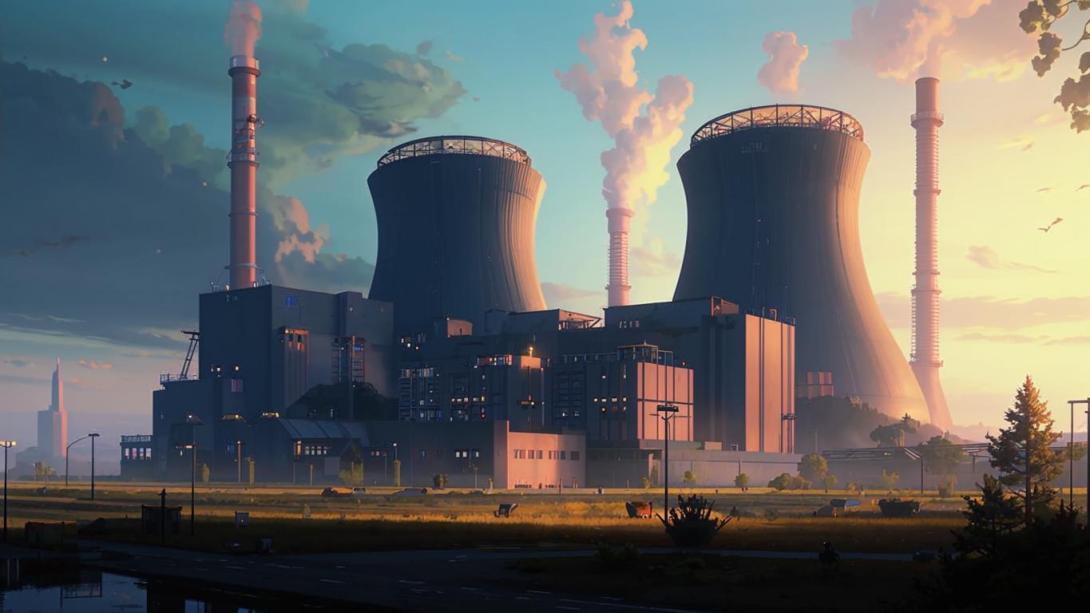
There is not much time left before the referendum on the construction of a nuclear power plant. As the vote approaches, an interesting trend is emerging: more and more citizens are expressing support for the initiative to develop nuclear energy in the country.
According to the latest data from surveys by the Kazakhstan Institute for Strategic Studies (KISS), in August 53.1% of respondents were supporters of building a nuclear power plant. However, by the end of September, this number had grown to an impressive 72.9%, that is, almost 2/3 of those surveyed. This is a significant increase, reflecting a shift in public sentiment towards supporting the project.
It is worth noting that alongside the increase in supporters, the number of opponents to the construction of the nuclear power plant is steadily decreasing. In August, their share was 32.5%, but by September it had dropped to 22.3%. This trend clearly indicates that the arguments of the opponents are losing strength in the eyes of the general public.
However, some opponents are confident that their position is supported by the majority of Kazakhstani citizens. For instance, the former head of KEGOC, Asset Nauryzbayev, having gathered a small audience, sincerely believes that the likes and comments he has received reflect the electoral preferences of the population.
But if you venture beyond narrow groups and talk to ordinary citizens on the streets, you can notice that most people either do not know about such 'activists', or do not attach much importance to their opinions.
This 'bubble effect', characteristic of social networks, can create the illusion that a significant number of people share someone's views. However, in practice, such an assessment is extremely subjective and does not reflect the full picture.
Many Kazakhstani citizens are either not active on social media or are not involved in the digital discussion at all. In contrast to subjective assessments based on monitoring one's own social media accounts, the results of sociological research provide more objective data.
The research covers a broad spectrum of Kazakhstani society, including various age groups, social strata, and professions. Surveys conducted on a representative sample show that the majority of citizens support the construction of the nuclear power plant, despite existing concerns.
Returning to the figure of Nauryzbayev, it is worth recalling that his position on the construction of a nuclear power plant was previously completely the opposite. In 1998, as president of KEGOC, he advocated for the development of nuclear energy in Kazakhstan.
Nauryzbayev saw enormous potential for the development of the energy sector in using the country's own uranium reserves and existing research base. But today he communicates a completely opposite opinion.
The radical change in the position of the former head of KEGOC raises many questions. His supporters should reflect on what exactly caused such drastic changes, and to what extent they truly reflect the interests of the country. Or are Nauryzbayev's current statements perhaps due to some external influence?
On the eve of the key vote, every citizen can contribute to shaping Kazakhstan's energy future. It is important that this decision is based on objective information and reliable facts, and not on emotional assumptions, misconceptions, or subjective opinions and manipulations dictated by others.