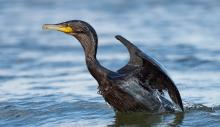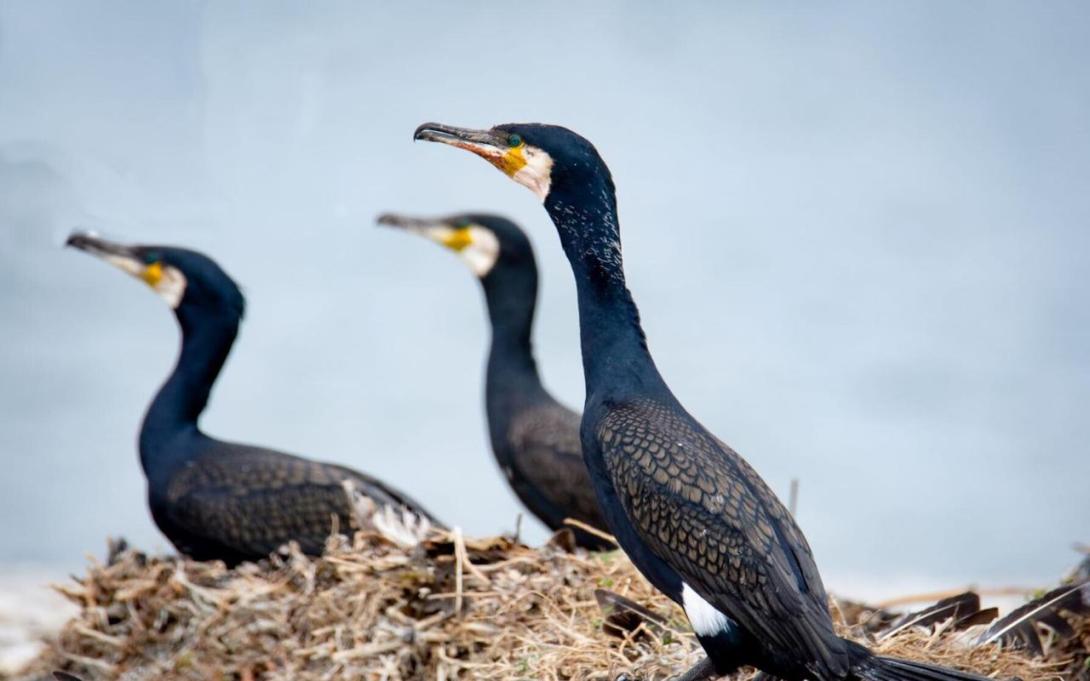
It has recently come to light that the Department of Natural Resources and Environmental Regulation of the Abai Region, as part of its environmental protection action plan for 2023-2025, intends to seriously pursue the so-called ‘population control’ of the great cormorant.
Consequently, the department has announced an open tender for measures to reduce the number of predatory birds at a cost of over 18 million tenge.
______________
For reference: The great cormorant is a large bird, 80-100 cm in length and weighing 2–3 kg, with a wingspan of 130–160 cm. Adult birds are black with a green and purple sheen; the back and wings are dark olive with a scaly black pattern. Cormorants inhabit the sea coasts of continents and islands, as well as the banks of rivers and lakes, and wetland areas.
Local authorities justify this decision by the increased population of these seabirds, which at peak numbers consume around 5 tonnes of fish, which, according to the department, negatively affects the ichthyological situation of the water bodies in the Abai region.
According to the tender documentation, the potential contractor is required to cull 2,979 individuals of the great cormorant, which amounts to 20% of the total population.
The disposal of the ‘biological material’ must be carried out outside the sanitary protection zone, either by burial or cremation.
Furthermore, the contractor must prepare a biological substantiation for 2024, specifying the number of seabird individuals to be culled in the Irtysh River, Lake Alakol and Lake Sasykkol.
The report must include methods for determining the population of great cormorants and their regulation, and must undergo mandatory state environmental expert review.
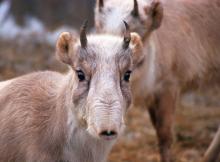
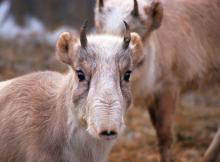
It is worth recalling that since September 2023, Kazakhstan has been controlling the saiga antelope population. These steppe antelopes are being culled on the basis of a questionable biological substantiation, the writing of which contained numerous fundamental errors.
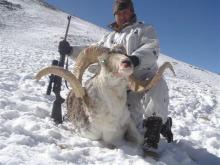
Currently, the Ministry of Ecology plans to introduce amateur hunting of saiga and legalise the export of saiga horns.
It is obvious that the ‘removal’ of saiga antelopes is being carried out not to preserve the steppe antelopes, but for entirely different reasons, likely related to the value of the horns on the black market.
From now on, every ‘population control’ initiative will be viewed with suspicion. Could it be that purely material interests of certain individuals are also behind the culling of cormorants?
Or perhaps one incompetent decision has led to another, resulting in the deaths of animals that cannot be justified by any reasonable argument?
The FBRK editorial team intends to find out whether the stated reasons for culling these seabirds are genuinely well-founded.